

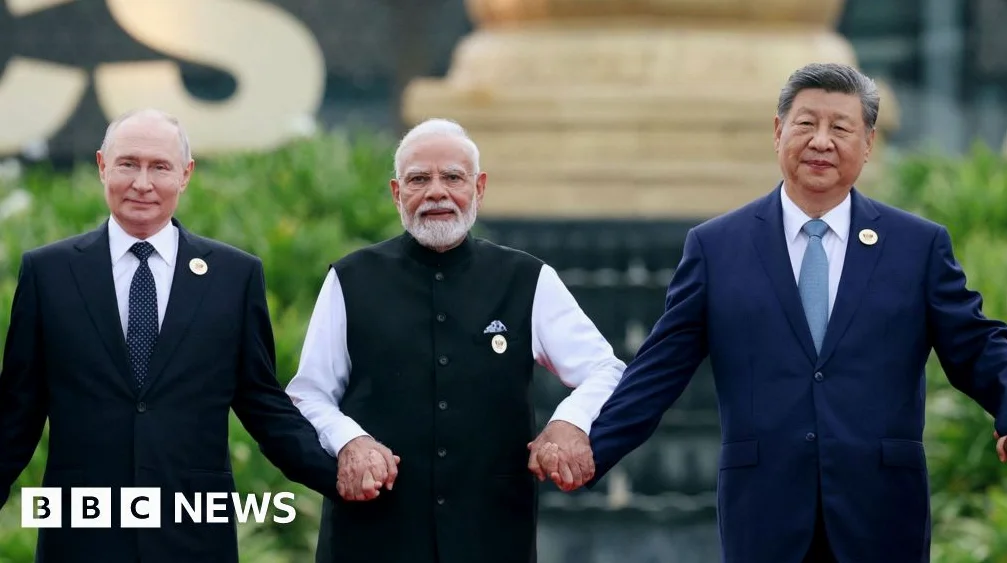
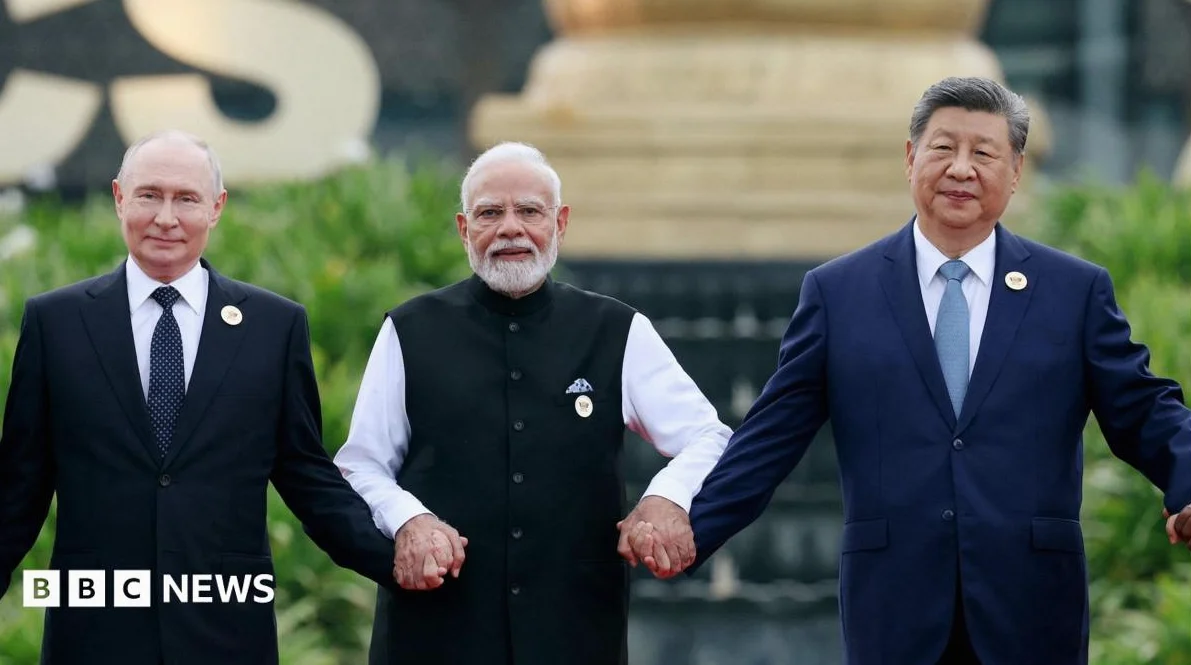
The Brics Summit 2026 in Delhi concluded with a joint declaration after tense negotiations that stretched until 4 a.m., according to the Berliner Zeitung, but this was a rare achievement, given the recent failure of two ministerial-level meetings earlier in 2026 to produce a consensus. The summit brought together 10 or 11 heads of state, including China’s Xi Jinping and Russia’s Vladimir Putin, as reported by the Friedrich-Naumann-Stiftung.
Tensions and Divergences Within the Group
The summit highlighted deep divisions among members, particularly those tied to the war in the Middle East, Iran and the UAE, for example, are on opposing sides of the conflict, while Saudi Arabia is also involved. Despite these tensions, India’s Prime Minister Narendra Modi succeeded in bringing the leaders together, according to the BBC, Anil Trigunayat, a former Indian diplomat, noted that India has pushed for “strategic autonomy amid war” rather than positioning Brics as an anti-Western bloc.
However, this growth has also exposed the group’s internal contradictions, such as the inclusion of both democracies and autocracies, and states with conflicting geopolitical alliances, as noted by the Friedrich-Naumann-Stiftung. The group now includes 11 full members and 10 partner countries, reflecting a significant expansion — these nations represent nearly half of the world’s population and a similar share of global GDP, as reported by es.tradingview.com.
Challenges to the Global Order
The Brics Summit 2026 took place amid rising U.S. concerns over the group’s potential to challenge the dollar’s dominance. The Trump administration has threatened to impose 100% tariffs on Brics members, accusing the group of seeking to “take over the dominance of the dollar,” according to es.tradingview.com. In response, Brics members have taken steps to reduce their reliance on the U.S. financial system, these include efforts to settle trade in national currencies and the development of alternative payment systems like CIPS and SPFS.
India, in particular, has been cautious about defining Brics as an anti-Western bloc; Modi emphasized that the group is “not against anyone,” according to the BBC. This diplomatic approach has allowed India to maintain relationships with both Western and non-Western countries, a key goal for a nation that balances multiple strategic interests.
Behind the Scenes at the Summit
Media coverage of the summit was tightly controlled, with accredited journalists staying in a media center located a mile away from the main venue, according to the Berliner Zeitung. Journalists relied heavily on WhatsApp contacts with delegation members to obtain information; One Indian journalist described the situation as “a world of Brics, where everything is much more ‚controlled‘.”
UN Secretary-General António Guterres made a brief appearance, while Russian state media humorously noted that journalists were mostly interviewing each other in an environment where access to real-time information was limited. The summit also included a bilateral meeting between Xi Jinping and Modi, the first time the Chinese leader had visited the Indian subcontinent since 2019, as reported by the Berliner Zeitung.
The Brics Summit 2026 was also notable for its symbolic power; With more than double the number of members from a decade ago, the group sent a message of unity and resilience. However, the internal contradictions—ranging from different political systems to conflicting geopolitical interests,suggest that the group’s future remains uncertain.

Comments
No comments yet
Be the first to share your thoughts