

 BBC
BBC 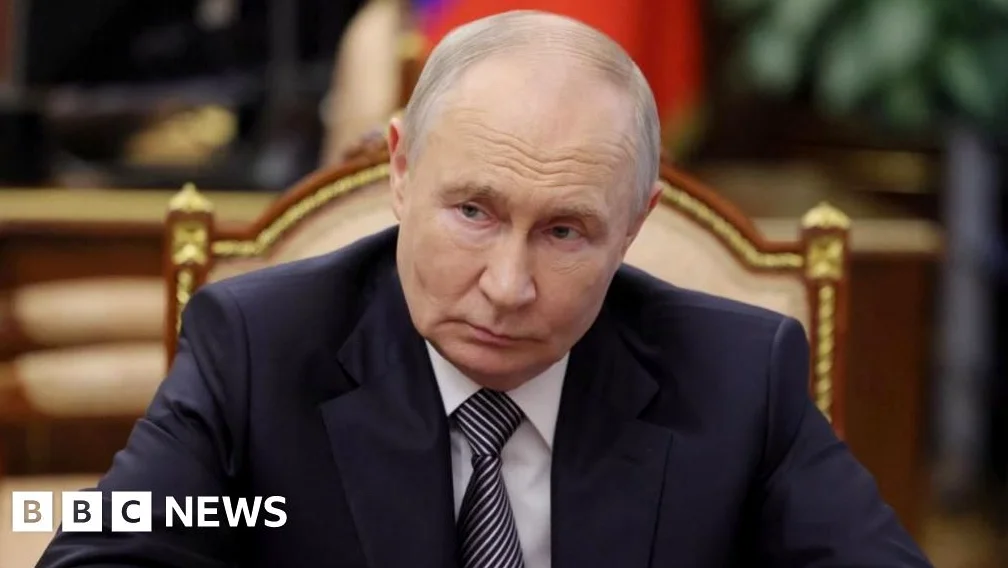
The European Union is exploring the possibility of appointing a mediator to engage with Russia in hopes of ending the war in Ukraine, according to BBC. This comes after U.S. Secretary of State Marco Rubio recently said the U.S. is not interested in hosting ‘an endless cycle of meetings that lead to nothing.’ However, he has clarified that the U.S. remains open to mediation if the opportunity arises.
EU’s Search for a Mediator
Vladimir Putin has expressed openness to a potential mediator, provided the person appointed has not made ‘nasty’ remarks about Russia; his own suggestion was former German Chancellor Gerhard Schröder, a known ally of Moscow and a former lobbyist for its interests. However, EU foreign policy chief Kaja Kallas immediately rejected the idea, stating that Schröder ‘would be sitting on both sides of the table.’
The EU is convening a two-day meeting in Cyprus to allow ministers to discuss their positions with more freedom than a formal summit would allow. Since Russia’s full-scale invasion in 2022, most EU members have pursued a policy of isolation and sanctions, though there is no consensus on whether initiating even limited contact with Russia is wise. Some countries. Like Sweden and Lithuania. Believe pressure should be increased. While others, like Italy, argue it is time to reconsider Russia’s isolation.
Russia’s Escalating Threats
In the meantime, Russia has ramped up its rhetoric, issuing warnings of ‘consistent, systematic strikes on Kyiv targeting its military industrial complex’ and urging foreign citizens and diplomatic staff to leave the city ‘as soon as possible,’ according to BBC. This escalation in language is being linked to a specific incident where Russia accused Ukraine of killing 21 students in a strike on Starobilsk in Luhansk province. Ukraine insists it targeted a military facility in Russian-occupied territory.
Moscow is now using this incident to justify retaliation, a departure from past practices where such attacks were rarely explained. Military analyst Ivan Stupak, a former Ukrainian intelligence officer, views this as a sign that Moscow is struggling to control the war’s narrative. Ukraine’s foreign ministry has assessed that the overall level of security threats posed by Russia to Kyiv and other cities remains unchanged compared to previous months and years.
Formulating a Joint EU Position
In March, Kaja Kallas circulated some starting points for discussion, described by one EU official as ‘food for thought.’ Her goal is to formulate a joint EU position regarding Russia and set red lines before any contact is initiated. While the idea of appointing a mediator or a group of mediators will be discussed in Cyprus, serious negotiations would need to be elevated to the level of EU leaders, potentially at their summit next month.






Comments
No comments yet
Be the first to share your thoughts