

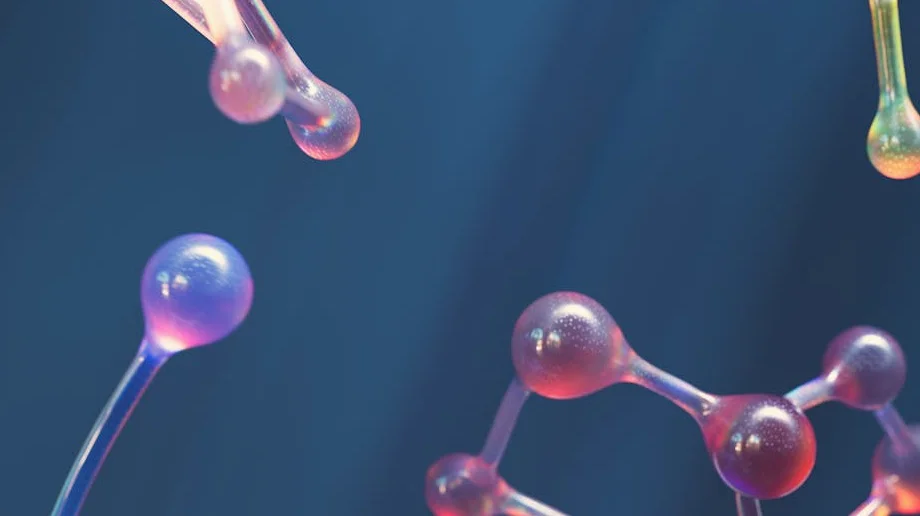
Scientists harness cheminformatics to digitize molecular structures, turning complex chemical data into computable models. This field applies information theory, mathematics and physics to forecast how molecules bind, react and perform. Graph theory helps map atomic connections, while machine learning sifts through massive datasets for hidden patterns.
Drug developers rely on these tools to screen millions of compounds quickly. According to experts in the field, cheminformatics cuts years off traditional lab work by predicting binding affinities and side effects before synthesis. In one process, software simulates how a molecule docks with a protein target, flagging promising candidates for ALS treatments—amyotrophic lateral sclerosis, the neurodegenerative disease that robs patients of muscle control.
Representing molecules as graphs or fingerprints allows computers to compare structures at scale. A SMILES string, for instance, encodes a compound like aspirin as a simple text: CC(=O)OC1=CC=CC=C1C(=O)O. Algorithms then cluster similar molecules, revealing structure-activity relationships. Quantum mechanics underpins these models, calculating electron distributions to gauge reactivity. Molecular mechanics simulates vibrations and rotations, approximating real-world dynamics without full quantum costs.
Materials researchers deploy cheminformatics for batteries and electronics. Simulations predict polymer strength or catalyst efficiency, guiding experiments toward superconductors or lightweight alloys. In environmental work, models track pollutant breakdown, forecasting toxicity in water systems.
Statistical thermodynamics adds another layer, estimating solubility from entropy and enthalpy. Pair that with neural networks trained on experimental libraries, and predictions sharpen. A 2023 study from the Journal of Cheminformatics showed machine learning models achieving 90% accuracy in solubility forecasts for 10,000 compounds.
Pharma giants like Pfizer and Novartis integrate these methods into pipelines. Cheminformatics flagged leads for COVID-19 antivirals, analyzing viral protein structures against compound libraries. For ALS, researchers at Massachusetts General Hospital used similar tools to identify molecules crossing the blood-brain barrier while targeting SOD1 mutations, a common genetic factor.
Challenges persist. Models falter on novel scaffolds lacking training data. Experts push for hybrid approaches, blending simulations with high-throughput screening. Open-source platforms like RDKit and Open Babel democratize access, letting small labs compete.
Data explosion fuels progress. PubChem holds over 100 million compounds; ChEMBL tracks bioactivity for 2 million. Mining these repositories uncovers quantitative structure-activity relationships, or QSAR, linking molecular features to effects.
Decision trees classify compounds as agonists or antagonists. Clustering groups analogs for virtual screening. Deep learning now generates novel structures, improving for multiple properties like potency and metabolic stability.
Cheminformatics reshapes discovery. A decade ago, bringing a drug to market took 12 years and $2.6 billion, per Tufts Center data. Computational pre-filtering trims that timeline, promising faster therapies for diseases like ALS, cancer and beyond.
Collaboration accelerates gains. Initiatives like the Helium project share hybrid quantum-classical models. As hardware improves—think GPU clusters and quantum annealers—simulations tackle larger systems, from proteins to nanomaterials.
This digital lens on chemistry unlocks efficiencies. Labs synthesize fewer dead ends. Predictions guide modifications, boosting yields. The result: breakthroughs arrive quicker, from ALS drugs halting neuron loss to materials revolutionizing solar cells.






Comments
No comments yet
Be the first to share your thoughts