

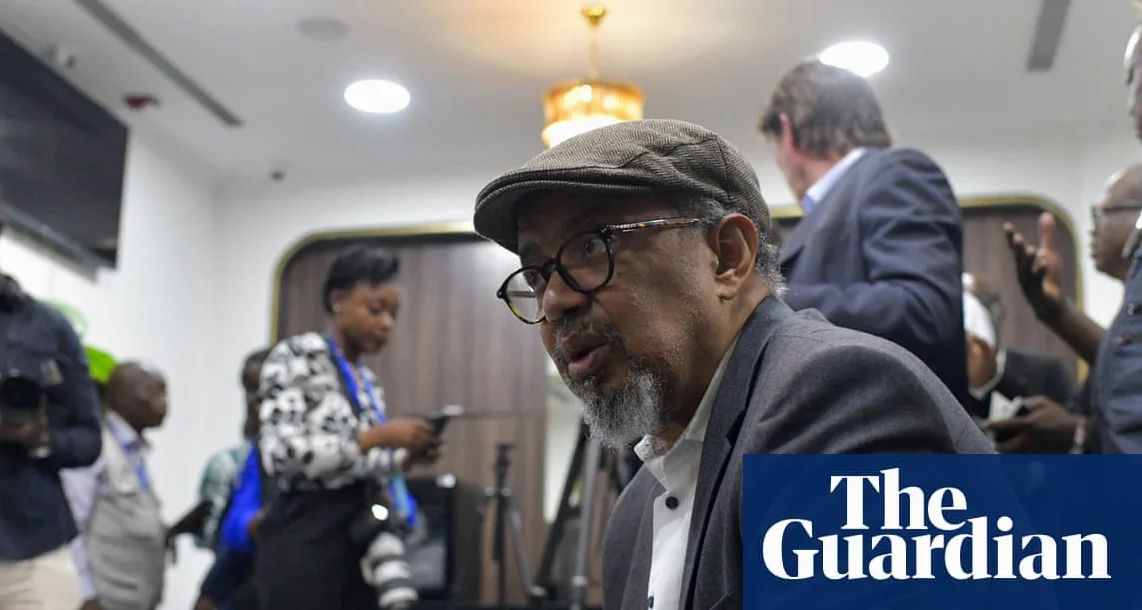
The deadly Ebola outbreak in the Democratic Republic of the Congo can be stopped, the World Health Organization (WHO) head, Tedros Adhanom Ghebreyesus, said as he arrived in Kinsasha. Tedros landed in the DRC on Thursday evening and was due on Friday to travel to Ituri province in the north-east, where the epidemic is centred.
WHO Chief Urges Ceasefire in Conflict-Ridden Region
“That thing can be stopped,” Tedros said, adding that the WHO did not support travel bans to combat the outbreak because they “don’t help much.” “Together, we will overcome this outbreak,” he said earlier, vowing to do “everything in my power to help you.”
The WHO has recorded 10 confirmed and 223 suspected Ebola deaths in the DRC since the outbreak was declared on 15 May, out of more than 1,000 confirmed and suspected cases, according to its figures up to 24 May, the latest available. The true spread of the virus is likely much wider as it is thought to have circulated under the radar for some time, the WHO has warned.
This is the 17th recorded Ebola outbreak in the big central African country, which has a population of more than 100 million people, and Complicating medical relief efforts, the epidemic is centred in a mineral-rich region fought over by armed groups. “Conflict and displacement make everything harder,” Tedros said; “I am making a direct appeal to all warring parties in this region: please, declare a ceasefire.
Uganda Closes Border as Neighbors Take Precautions
“No cause. No conflict. No grievance is worth condemning innocent people to death from a preventable disease.” No vaccine or treatment yet exists for the Bundibugyo strain of Ebola causing the current outbreak. The WHO said on Thursday that its advisory groups had recommended clinical trials for vaccines and treatments — the head of the African Union’s health agency, Jean Kaseya, said on Thursday that a vaccine should be ready by the end of the year.
Neighbouring Uganda. With one recorded death from Ebola and six additional cases, announced it was shutting its border with the DRC with immediate effect; the US said it would deny entry to anyone infected and was working to open a treatment facility for affected US citizens in Kenya. A Kenyan rights group has gone to court seeking to limit operations at any such facility, while health officials have warned it could burden Kenya’s stretched health system.
Ebola has killed more than 15,000 people in Africa over the past 50 years — the deadliest outbreak in the DRC claimed nearly 2,300 lives out of 3,500 cases between 2018 and 2020. The WHO said it had received 4.6 tonnes of aid at the airport in Bunia, capital of Ituri province, while Unicef, the UN children’s agency, said it was sending 100 tonnes of aid to the DRC.
Border Closures and Aid Efforts Amid Rising Cases
The head of the World Health Organization has called for an immediate ceasefire in the eastern Democratic Republic of the Congo to help tackle the Ebola outbreak there, as Uganda closed its border with its neighbour in an effort to stop the spread. Tedros Adhanom Ghebreyesus posted on social media that the region was in the midst of a “catastrophic collision of disease and conflict with the Ebola outbreak in Ituri province outpacing the response.” Tedros said on Monday that he would travel to the DRC this week.
The number of suspected cases in eastern DRC is nearing 1,000, with at least 220 suspected deaths. The country’s health ministry said on Tuesday that 101 cases had been confirmed, and it was looking into more than 3,000 possible contacts. In Uganda there seven confirmed cases and one death as of Sunday, WHO data showed.
Aid group Save the Children said on Wednesday that a quarter of the confirmed deaths were children, calling for infection prevention measures to be urgently scaled up. Aid groups are rushing staff and equipment to eastern DRC but attacks on medics due to community distrust have hampered efforts, they say.
The outbreak was confirmed on 15 May in Ituri, the DRC’s most north-eastern province, which borders South Sudan and Uganda. Diana Atwine, a senior Ugandan health official, told a press conference on Wednesday that Uganda’s border would be closed for four weeks, except to Ebola response teams, humanitarian and security operations and food and cargo transport. Any person who was authorised to enter Uganda from the DRC would be required to undergo mandatory self-isolation for 21 days, she said.
The UN refugee agency said transit and reception sites in Uganda’s West Nile region –which borders the DRC – were at more than double capacity, a document showed. Earlier this month, the WHO advised countries against closing their borders, saying it would push people to use informal border crossings, making it harder to monitor and stop the spread of the disease.
Eastern DRC has a number of armed groups. Though the government still largely controls Ituri, insecurity had been worsening there before the Ebola outbreak. Almost 1 million people in the province have been displaced by conflict, according to the UN humanitarian office. The outbreak has spread south to rebel-held areas of North Kivu and South Kivu provinces, where the Rwandan-backed M23 group controls large swathes of the region.
Tedros said: “Stopping this Ebola transmission depends entirely on humanitarian access. Yet ongoing clashes are driving mass displacement, pushing exposed contacts into overcrowded camps and severing critical containment corridors. Frontline workers are risking everything, while attacks on health facilities make tracking cases and their contacts nearly impossible. We cannot build community trust or isolate the sick while bombs are falling. We urge all warring parties to agree to an immediate ceasefire to contain this outbreak.”






Comments
No comments yet
Be the first to share your thoughts