

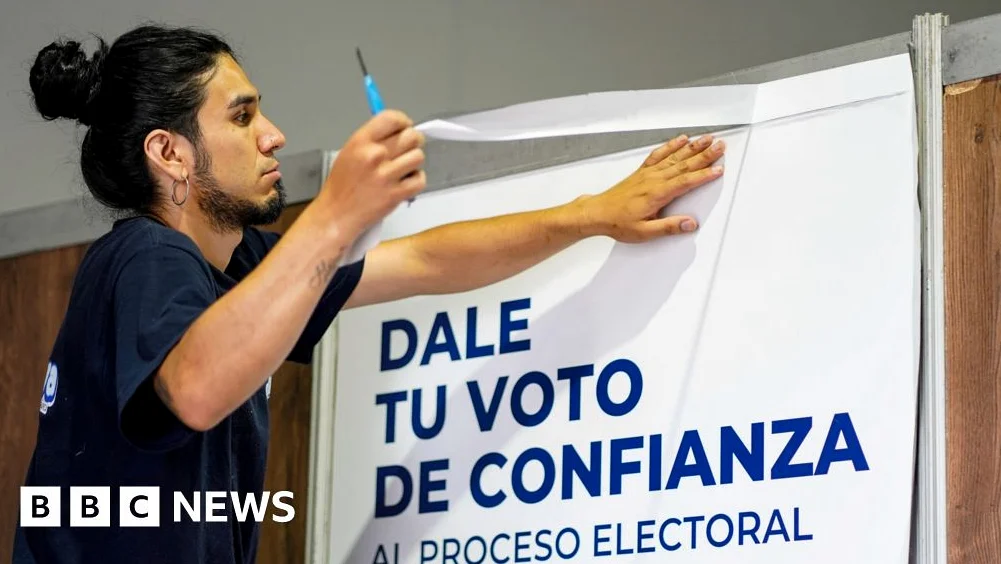
Colombia’s presidential election. Held on Sunday. Could significantly alter the nation’s foreign policy and security strategy, particularly its relationship with the United States; With left-wing candidate Gustavo Petro ineligible for re-election, his ally Iván Cepeda faces off against right-wing contenders Abelardo de la Espriella and Paloma Valencia. Polling suggests Cepeda leads, followed by de la Espriella, with a likely run-off scheduled for 21 June.
Policy Divergence and Security Concerns
Cepeda has pledged to continue Petro’s “total peace” policy, which aimed to negotiate with armed groups involved in drug trafficking. However, these negotiations have stalled, and violence has increased. In contrast, de la Espriella and Valencia have promised a military enforcement action if elected. Colombia has seen a surge in cocaine production, which has been linked to 1,500 US overdose deaths annually, according to a National Bureau of Economic Research working paper.
The candidates have campaigned amid persistent violence, including the assassination of one candidate last summer. De la Espriella, for instance, appeared at a rally in Medellin behind bulletproof glass. He and Valencia have also called for restoring Colombia’s close security alliance with the US, a relationship that has recently strained under Petro’s left-leaning policies.
Historic Tensions and Personal Diplomacy
Colombia’s relationship with the US has long been shaped by anti-drug cooperation, even during periods of political disagreement. Petro has resisted positioning Colombia as a “vassal state” to the US, yet collaboration on narcotics enforcement has persisted. The recent capture of Venezuela’s former President Nicolás Maduro by US forces has left Petro one of the few left-wing leaders not aligned with the Trump administration, according to BBC.
Analysts argue that the election is not just a domestic affair but a test of how personal relationships influence US foreign policy in Latin America. With shifting alliances and a fragile security terrain, the outcome will have broader implications for Washington, investors, and multinational firms with exposure to the region.
International Reactions and Foreign Policy Shifts
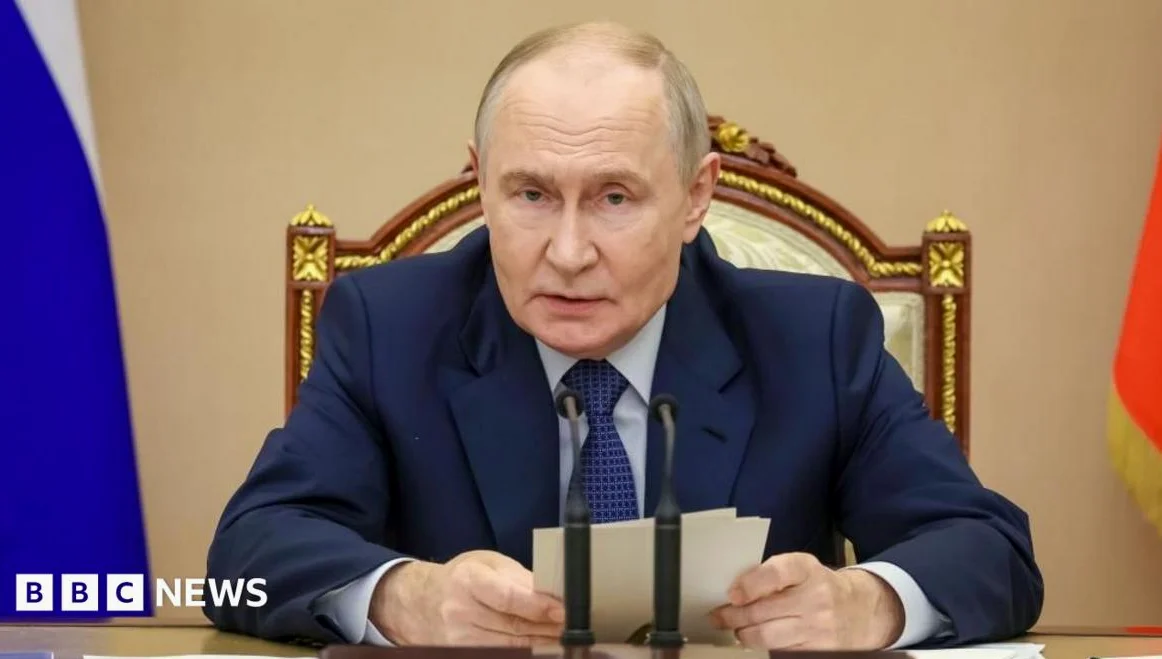
Colombia’s stance on international issues has also drawn attention. The country recently voted against a UN resolution condemning Russia’s actions in Ukraine, alongside Israel, Nicaragua, and Argentina. Argentina, under President Javier Milei, had previously supported Ukraine but shifted its position after US President Donald Trump criticized Ukrainian President Volodymyr Zelenskyy and began warming to Russian leader Vladimir Putin.
Milei and Zelenskyy had shown strong support for Ukraine, including a meeting in Davos and a phone call in December. Milei also expressed support for Ukraine at a peace summit in June, stating that war is an illegitimate mechanism for settling conflicts. These contrasting international stances highlight the complex diplomatic field in which Colombia’s election plays a major role.





Comments
No comments yet
Be the first to share your thoughts