

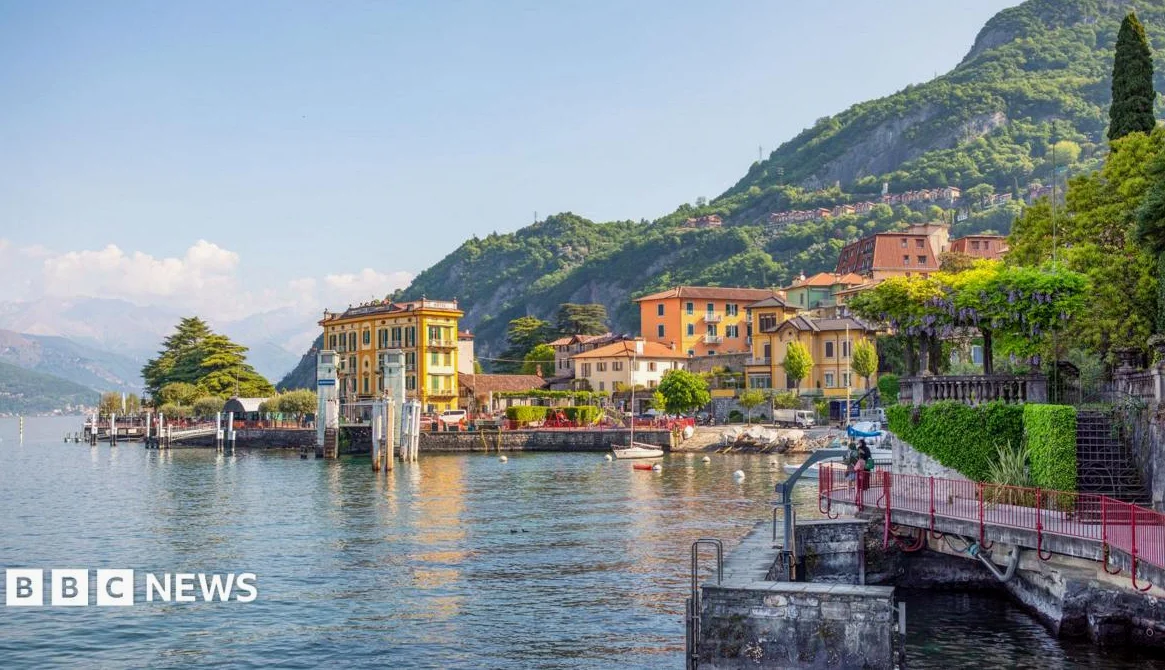
Italian mayor Alessandro Rapinese has banned all bicycles in Como’s city centre after being struck by an e-bike in June, calling the vehicles “beasts” in a public statement. The decision, which applies to both electric and traditional bikes, will take effect in mid-September and has already drawn sharp criticism from residents, activists, and politicians across the political spectrum.
Personal Experience or Political Overreach?
Rapinese defended his decision in an interview with Italian news agency Ansa, stating: “I’ve been accused of adopting this measure because I was hit by an electric bike — certainly, that is true. People act based on their own experiences and I know what it’s like to be hit by one of these beasts.” The incident occurred in June as Rapinese was leaving Como’s city hall, ironically shortly after an executive meeting had discussed new traffic restrictions in the city centre. The cyclist involved has not been identified.
Critics argue that the ban is a personal overreaction rather than a public safety measure. Vincenzo Falanga, president of the civic group Nova Como, accused Rapinese of “turning individual problems into collective ones.” Activists have launched a petition and are planning to hold a protest ride through the affected streets in mid-September.
Impact on Delivery and Tourism
The ban affects approximately 30 streets in the city centre, many of which are the widest and most frequently used routes leading to Lake Como. These streets are popular with delivery drivers and cyclists alike, and the new rule requires riders to dismount and walk their bikes through the area.
Shop owners and delivery services have raised concerns about the logistical challenges the ban will create. The measure applies to all bicycles under Italian law, which does not differentiate between electric and traditional models. This is a continuation of existing restrictions, as rented e-scooters were banned in Como’s city centre in 2022.
The Roman-walled city is already part of a Limited Traffic Zone (ZTL) to manage tourist growth. Under the new regulations, some vehicles will require an annual permit, and a €3 (£2.60) fee will be charged for each day of entry. This is part of a broader strategy to regulate traffic and reduce congestion in the historic district.
Broader European Trend
Como is not alone in tightening rules around e-bikes and single-person vehicles. Several other local authorities across Europe, including in the UK, have introduced restrictions on where and how such vehicles can be used. These measures often aim to improve pedestrian safety and reduce traffic in densely populated tourist areas.
Rapinese also provided a video explanation of his decision as part of his regular online series RapiNews24. In the video, he emphasized that the ban was not born from anger but from a concern for public safety. “In this case, I didn’t even end up in the hospital,” he said. “I was hit by a bike. I gathered information, and that’s where the measure came from.”
Critics argue that the mayor should focus on enforcing existing rules against reckless cycling rather than banning bikes outright. They also stress the environmental and economic benefits of cycling, particularly for low-income residents and small businesses reliant on affordable transportation.





Comments
No comments yet
Be the first to share your thoughts