

 BBC
BBC 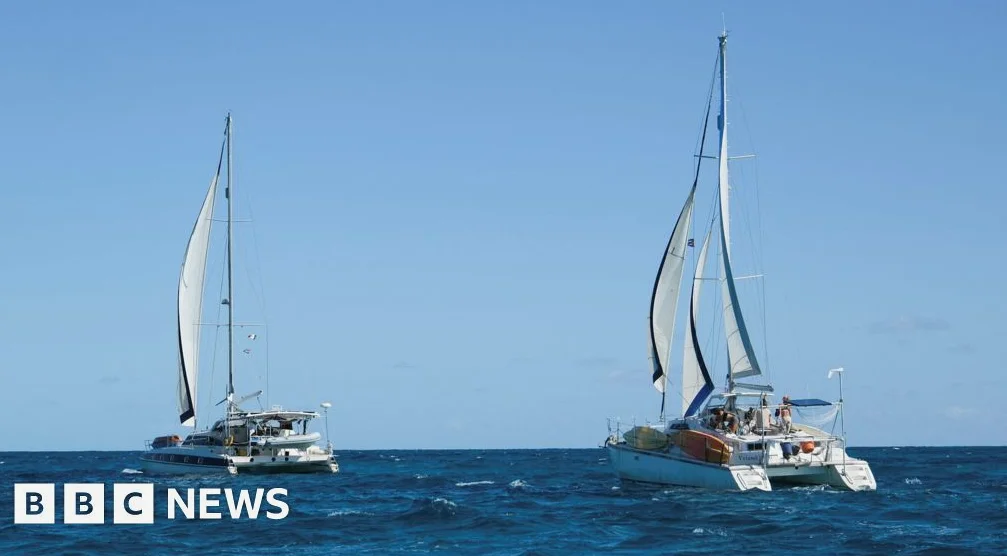
Two sailboats heading to Cuba with humanitarian supplies have gone missing after leaving Mexico, triggering a search and rescue operation in the Caribbean, according to the Mexican navy. The vessels. Named Friendship and Tigger Moth. Were carrying at least nine crew members from Poland, France, Cuba, and the United States. They departed from Isla Mujeres in the Mexican state of Quintana Roo on March 20, with an expected arrival in Havana on Tuesday or Wednesday, but there has been no communication from the ships since then.
Search Efforts Intensify
Mexico has deployed naval teams and military search aircraft to locate the missing ships, according to a statement from the Mexican navy. The navy said it is using all available resources to ensure the safety of the crew members and to find the vessels. The two ships were equipped with appropriate safety systems and signaling equipment, the convoy’s spokesperson said in a statement to Reuters. They added that the captains and crews are experienced sailors and that they remain confident the vessels will reach Havana safely.
The Mexican navy has also established contact with maritime rescue coordination centers in Poland, France, Cuba, and the United States, as well as with their diplomatic representatives. This international collaboration is a key part of the ongoing search efforts, while no word has yet come from the Cuban government regarding the missing ships, despite the country’s reliance on such humanitarian aid in recent weeks.
Humanitarian Aid to Cuba
The two missing ships are part of a broader effort by volunteers and NGOs to deliver humanitarian aid to Cuba since January, when the United States reimposed a fuel embargo on the Communist-run country. This has led to severe electricity shortages, with more than 50,000 surgeries canceled due to power outages, according to the United Nations; Cuba has relied heavily on Mexico’s humanitarian shipments to mitigate the impact of the US energy blockade.
Last week. A different vessel carrying 14 tonnes of humanitarian aid, dubbed ‘Granma 2.0’ after the boat used by Fidel Castro to return to Cuba in the 1950s, successfully reached Havana. It delivered solar panels, medicines, baby formula, bicycles, and food to the island. This success highlights the importance of international cooperation in times of crisis, but it also highlights the risks involved in such missions, as the recent disappearance of the two ships demonstrates.
The United Nations has warned that the supply shortages in Cuba are dire, with the electricity crisis exacerbating the situation. The country has been struggling with nationwide blackouts, and the humanitarian aid from Mexico has been critical in helping to ease the burden on the Cuban population. Without such aid. The impact of the US energy sanctions would be even more severe.
Political Tensions and Future Uncertainty
The disappearance of the two ships comes at a time of heightened political tension between the United States and Cuba; US President Donald Trump has increased pressure on Cuba since US forces seized former Venezuelan President Nicolás Maduro in January. Venezuela had previously been a key supplier of oil to Cuba, its regional ally; With that supply disrupted, Cuba has had to rely more heavily on humanitarian aid from other countries, including Mexico.
Last week, Trump considered the possibility of a ‘friendly takeover’ of Cuba, later stating it would be an ‘honour’ to do so. In response, Cuban Deputy Foreign Minister Carlos Fernandez de Cossio insisted that ‘the political system of Cuba is not up for negotiation.’ Cuban President Miguel Díaz-Canel announced that early stages of US-Cuba negotiations have begun, but their progress remains unclear.
The recent disappearance of the two Cuba-bound aid ships highlights the risks involved in such humanitarian missions, especially under the current geopolitical climate. As the search for the vessels continues, the international community is watching closely, hoping for a safe resolution to this crisis. The situation also raises questions about the future of humanitarian aid to Cuba and the potential impact of ongoing political tensions on the country’s ability to receive such assistance.
The Mexican navy has said it remains committed to finding the missing ships and ensuring the safety of the crews. The international community is likely to continue supporting these efforts, given the importance of the humanitarian aid being transported. As the situation develops, the focus will remain on the safety of the crew members and the successful delivery of the supplies to Cuba.
With the United Nations warning of ‘dire’ supply shortages in Cuba, the loss of these two vessels could further strain the country’s already fragile situation. As the search continues, the world awaits updates on the status of the missing ships and the fate of the crew members aboard them.






Comments
No comments yet
Be the first to share your thoughts