

The U.S. Department of Justice has charged former Cuban leader Raúl Castro with four counts of conspiracy and murder in relation to the downing of two aircraft operated by the exile group Hermanos al Rescate in 1996, according to the BBC. The incident. Which resulted in four deaths. Is considered a major point of tension between Cuba and the U.S, as Todd Blanche, the acting U.S. attorney general, announced the charges from Miami; Castro, now 94 years old, has not been present in Cuba for years.
U.S. Accusations and Cuban Reactions
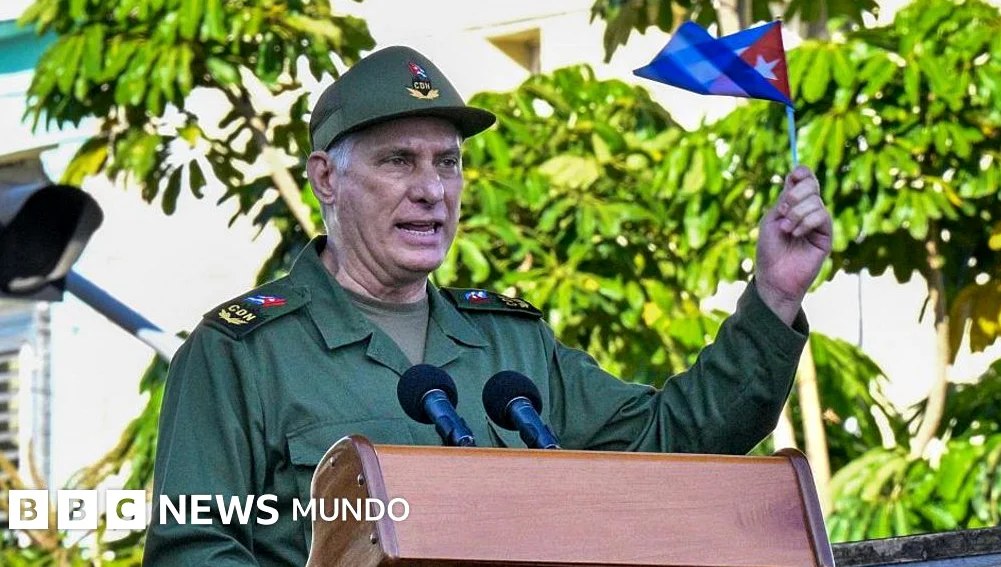
Cuban President Miguel Díaz-Canel has labeled the U.S. move as an act of “political manipulation,” claiming it has no legal basis and is meant to justify a potential military strike against Cuba. In a message on X. Díaz-Canel stated that the U.S — “lies and manipulates” regarding the 1996 incident, asserting that Cuba did not act recklessly or violate international law — he also accused the U.S. of using the case to escalate tensions.
U.S. Senator and acting Secretary of State Marco Rubio has also weighed in, announcing a new approach to Cuba that includes humanitarian aid and support for democratic reforms. In a video message in Spanish, Rubio offered $100 million in humanitarian assistance to be distributed by “trusted humanitarian organizations” like the Catholic Church; However, he also accused the Cuban government of causing the island’s energy and food shortages by misappropriating funds. “The reason you don’t have electricity, fuel, or food is because those in power have looted billions,” he said, according to Spiegel.
Energy Crisis and Sanctions Deepen
The U.S. has intensified its economic pressure on Cuba through a series of measures, including sanctions on key Cuban officials and state institutions. On May 18, the U.S. Treasury announced the freezing of assets for 11 high-ranking Cuban officials, including ministers and members of the Major Armed Forces. The Cuban Information Agency and police were also designated as targets. The U.S. government accused Cuba’s leadership of prioritizing ideology over the well-being of its citizens and enabling foreign intelligence and terrorist activities, according to the Korean newspaper 경향신문.
In addition to sanctions, the U.S. has imposed a de facto oil embargo by threatening tariffs on countries supplying fuel to Cuba. This has worsened the island’s energy crisis, with eight million Cubans reportedly living without electricity for 22 hours a day, according to EL PAÍS. The United Nations has also criticized Washington’s policies, calling the energy blockade an “energy starvation” that violates human rights and development goals. The UN experts noted that the fuel shortage has disrupted essential services like healthcare, education, and transportation, with more than 96,000 pending surgeries in Cuba’s health system, according to junge Welt.
International and Domestic Reactions
Cuba’s government has strongly rejected U.S. claims and aid offers. The Cuban embassy in Washington accused Rubio of lying “repeatedly and ruthlessly” to justify aggression against the Cuban people, as reported by Spiegel. Díaz-Canel has also condemned U.S. policies, calling them a “mass murder blockade.”
Meanwhile, U.S. policies appear to be part of a broader strategy that combines economic pressure with conditional diplomatic engagement. The U.S. has offered a “new relationship” with Cuba based on free elections and political change, as outlined by Rubio. However, the Cuban government has shown no signs of yielding, maintaining its socialist model despite growing hardships. With ongoing sanctions, legal actions against former leaders, and the threat of further U.S. military escalation, the future of U.S.-Cuba relations remains uncertain.






Comments
No comments yet
Be the first to share your thoughts