

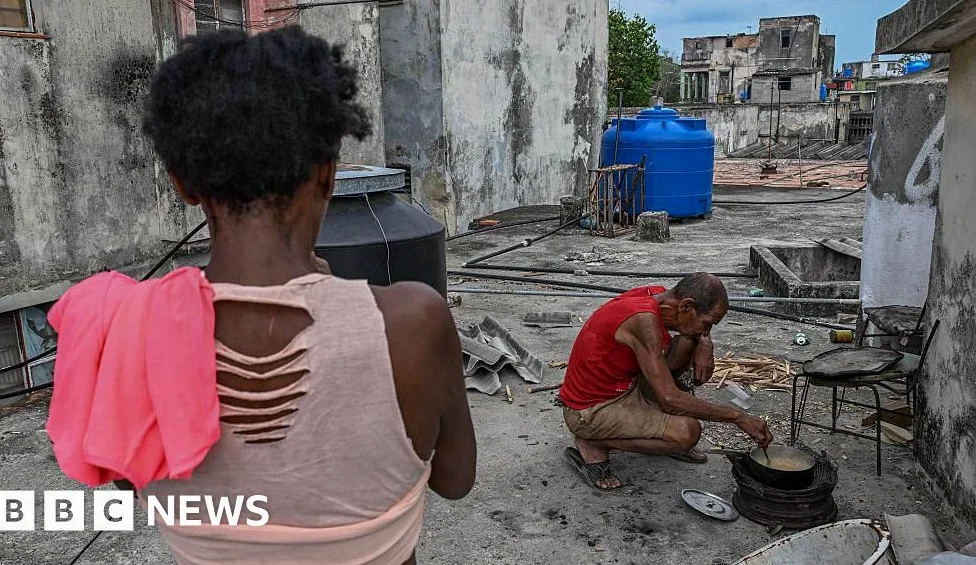
Cuba has run out of diesel and oil, according to Energy Minister Vicente de la O Levy, forcing hospitals, schools, and government offices to close and plunging much of Havana into 22-hour-a-day blackouts. The crisis has been blamed on a U.S. blockade that has effectively cut off fuel supplies since January, exacerbating the island’s energy dependency on Venezuela and Mexico, both of which have reduced shipments following U.S. threats of tariffs.
Economic and Social Impact
The lack of fuel is not only affecting energy but also transportation, food distribution, industrial activity, and healthcare logistics, according to Reuters; Public transport has stopped operating, food spoilage is increasing, and businesses, especially small private operators — are experiencing lost revenue and damaged inventories. The tourism sector. A key source of foreign currency. Has also been hit hard, with hotels and restaurants unable to provide reliable electricity to guests.
Residents in Havana’s San Miguel del Padrón neighborhood were overheard shouting “turn on the lights!” during protests on Wednesday evening, according to AFP. These were the largest demonstrations in the city since the energy crisis began in January. Protesters blocked roads with burning trash and anti-government slogans, as reported by the BBC.
Political and Diplomatic Responses
Cuban President Miguel Díaz-Canel has directly blamed the U.S. for the fuel shortage, calling the sanctions a “genocidal energy blockade.” He reiterated this stance on social media, saying the U.S. “threatens irrational tariffs against any nation that supplies us with fuel.” Meanwhile, U.S. Secretary of State Marco Rubio claimed Havana had rejected a $100 million humanitarian aid offer, a claim Cuba denied. The U.S. State Department reiterated the offer on Wednesday, stating it would be delivered through the Catholic Church and other “reliable” organizations.
U.S. President Donald Trump, on Truth Social, said talks between the U.S. and Cuba would happen, though he did not specify when. The Trump administration had previously labeled Cuba’s government an “unusual and extraordinary threat,” suggesting renewed focus on the country after the U.S.-Iran conflict.
Broader Context and Future Outlook
Cuba’s energy minister stated the country has no fuel reserves and its national grid is in a “critical state.” De la O Levy added that Cuba remains open to suppliers willing to provide fuel and that negotiations for new shipments are ongoing. However, the global rise in oil and shipping costs, linked to the U.S.-Israel-Iran tensions, has made securing fuel even more difficult, according to Spanish outlet TradingView.
With no immediate solution in sight and no alternative supply routes established, the situation remains dire. The prolonged blackouts are not only a technical challenge but a deepening blow to public trust in the government’s ability to manage the crisis. As one resident put it during the protests: “We are tired of darkness and empty promises.”




Comments
No comments yet
Be the first to share your thoughts