

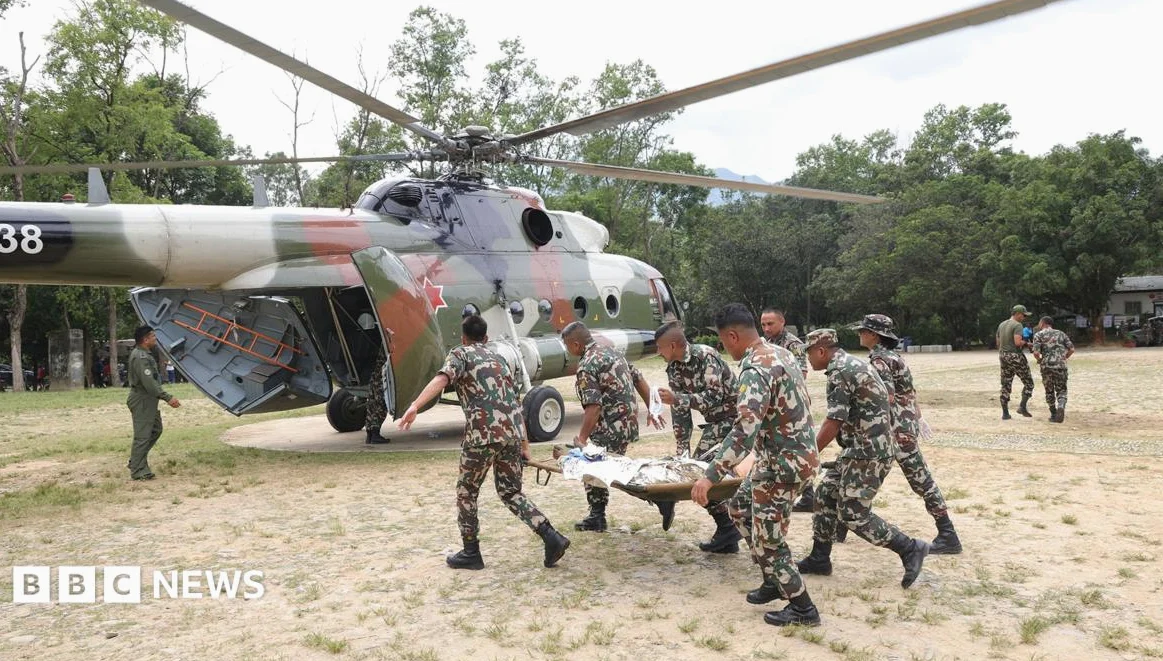
A glacial collapse and debris flow in the Nepal-Tibet border region triggered a catastrophic flood that has claimed at least 162 lives and left hundreds missing, according to Chinese state media and Nepalese officials. The event was initially reported as an earthquake by Nepal’s foreign minister and the U.S. Geological Survey (USGS), but was later identified as a glacial collapse and debris flow, not an earthquake, after further analysis of seismic data and satellite imagery.
Causes and Climate Change Concerns
Nepal’s foreign minister initially suggested that an earthquake on the border of Tibet and Nepal might have triggered the disaster. However, the USGS later clarified that the incident was a glacial collapse and debris flow, stating, “Additional analysis of nearby seismic stations, long period seismic waves, and satellite imagery led to the determination that the seismic event was instead a glacial collapse and debris flow, and that no earthquake had occurred.”
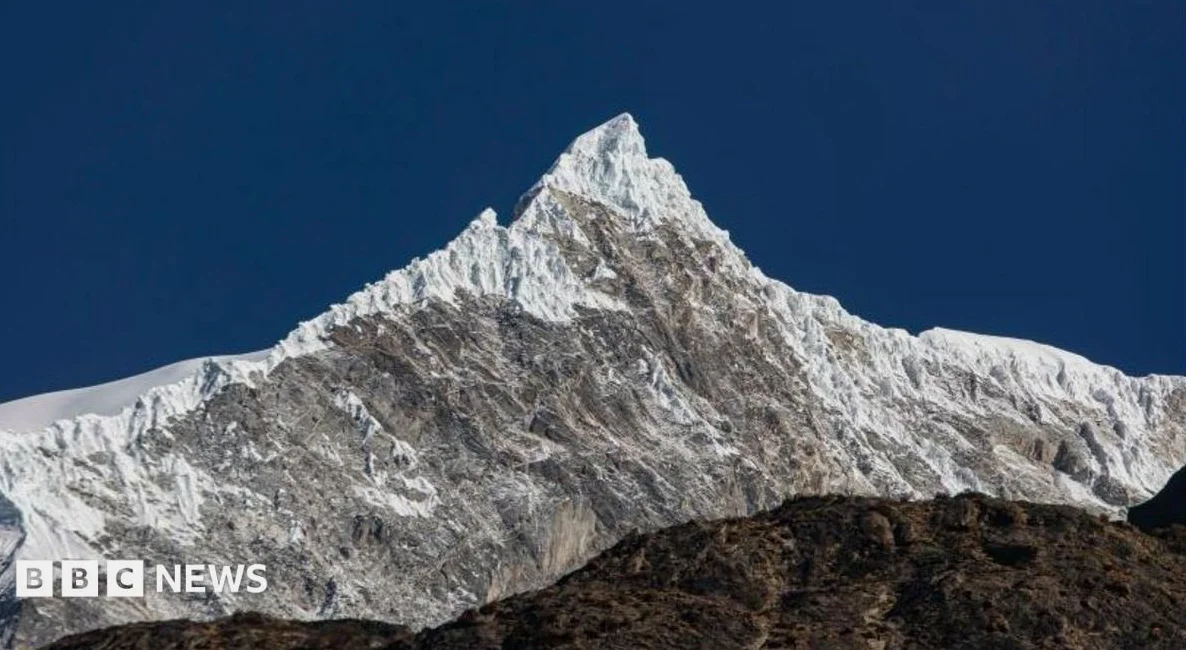
Simon Cook, a senior lecturer in energy environment and security at the University of Dundee, specializing in glaciology, noted that climate change could have played a role in the disaster. Cook’s team detected that the lower part of a glacier near the Langtang Lirung peak,about 15 km (9 miles) west of the flood site—had collapsed, moving northwest and downstream. Climate change is known to accelerate glacier melt in the Hindu Kush Himalaya region.
Impact and Rescue Efforts
The flood caused massive destruction in the mountainous region, with powerful waves of mud and rock sweeping through the Bhotekoshi River valley and into central Nepal. The New York Times reported that the telecommunications network has collapsed, complicating rescue operations; Dramatic video footage captured the speed and force of the flood, which destroyed bridges, damaged dams, and submerged homes within seconds.
Balendra Shah, Nepal’s Prime Minister, confirmed that at least 19 bridges and 25 miles of roads were destroyed by the flood — the United Nations and Nepalese authorities estimate that around 10,000 households require immediate aid. Among the missing are 134 Indians, 47 Americans, 33 from the United Kingdom, 34 from Australia, 24 from Canada, and 19 from Malaysia, according to Nepal’s tourism authority. No Swiss nationals are currently reported missing.
Challenges and International Response
The scale of the destruction has highlighted the challenges Nepal faces in responding to such disasters; the country lacks the infrastructure and resources comparable to more developed nations like Australia, as noted in a report. Rescue teams are working with limited capacity, and efforts to locate and assist survivors are ongoing.
As scientists and officials continue to analyze the sequence of events leading to the disaster, the international community is also stepping in with aid and support. The disaster exposes the growing risks associated with climate change in mountainous regions, where glacial melt and instability can lead to catastrophic events with little warning.





Comments
No comments yet
Be the first to share your thoughts