

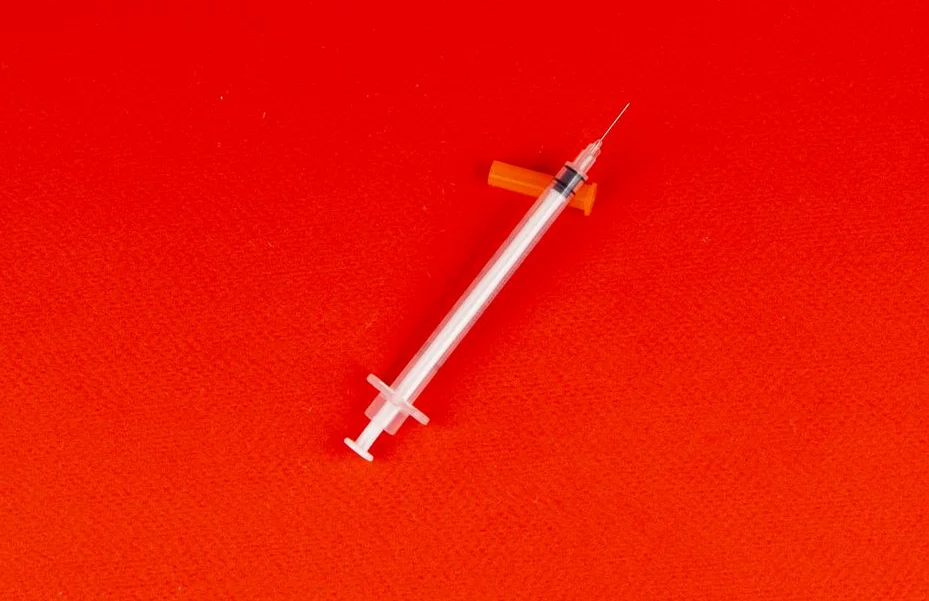
The Democratic Republic of the Congo (DRC) has launched a vaccination campaign to protect front-line healthcare workers from the ongoing Ebola outbreak, but Health Minister Roger Kamba officially began the initiative in Kisangani, the capital of Tshopo Province. The Ervebo vaccine was selected to protect healthcare workers and others directly involved in the response, particularly those who have had contact with Ebola patients, according to government reports.
Challenges in Containing the Outbreak
As of Tuesday, the DRC had recorded 5,713 confirmed cases of Ebola, including 2,744 deaths, according to government figures. This outbreak is the deadliest in the country’s history and has been exacerbated by a combination of factors, including insecurity, displacement, a health workers’ strike, and high population movement. The overall fatality rate among confirmed cases stands at around 48 percent.
Health workers have called for more vaccine doses to address the scale of the crisis. About 20,000 of the allocated doses will also be used in a clinical trial to test the vaccine’s effectiveness against the latest strain of the virus. The World Health Organization (WHO) has described the situation as out of control and warned that the outbreak could surpass the 2014-2016 West Africa Ebola outbreak, which killed over 11,000 people primarily in Guinea, Liberia, and Sierra Leone.
Regional Spread and Response
The outbreak has now affected six provinces in the DRC: Ituri, North Kivu, South Kivu, Tshopo, Haut-Uele, and Bas-Uele — Health Minister Kamba emphasized the importance of prioritizing those on the front lines, including health workers and individuals who have had contact with patients. The vaccination campaign is part of a broader strategy to curb transmission and protect the most vulnerable.
While the DRC continues to face challenges, the WHO recently confirmed that the Ebola outbreak in neighboring Uganda has officially ended; However, the agency warned that the situation remains active in the DRC and called for continued vigilance and international support to prevent further spread.
Need for Sustained Support
Health workers in the DRC have highlighted the difficult operating conditions, including ongoing conflict and limited resources, which complicate efforts to control the outbreak, as the vaccination campaign represents a critical step in protecting those most at risk but is not a standalone solution. Additional doses and support will be needed to ensure the campaign can reach all affected areas and populations.
According to government figures, the DRC’s current Ebola outbreak is the most severe in its history; the country’s health system is under immense pressure, and the vaccination effort is one of several measures being taken to prevent further loss of life. The WHO and international partners have been working closely with local authorities to provide medical supplies, logistical support, and technical assistance to support the response.


Comments
No comments yet
Be the first to share your thoughts