

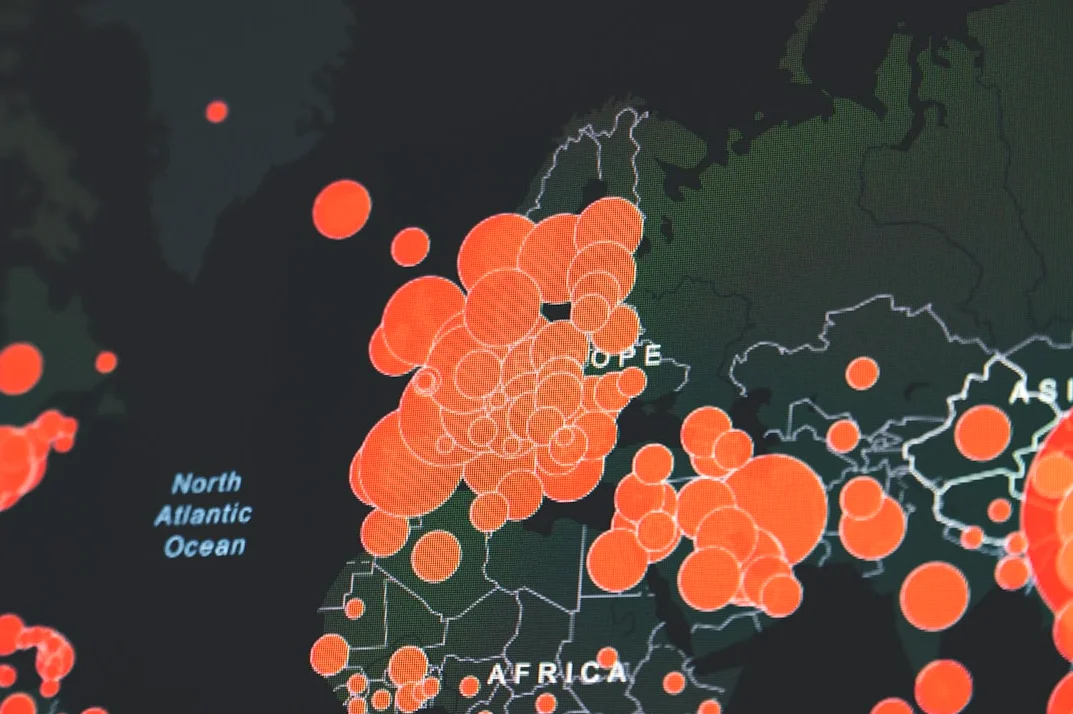
The Ebola outbreak in the Democratic Republic of the Congo (DRC) is worsening rapidly, with the virus now having killed 2,000 people and infected more than 3,600 individuals. According to the World Health Organization (WHO), the virus is spreading faster than any previous outbreak, outpacing containment efforts, while the WHO has called for an expansion of public health measures to bring the crisis under control.
Outbreak Spreads Across Borders and Into New Regions
The virus has moved beyond its initial epicenter in the Ituri province and has spread into the Kivu regions as well as across the border into Uganda. As of the latest data from the Ministry of Health in the DRC, 42 people have died from the virus in the country, with 245 confirmed cases in Ituri, 15 in Kivu North, and three in Kivu South. In Uganda, nine cases have been confirmed, including one fatality.
According to the DRC’s Ministry of Health, 3,200 contacts have been identified, of which 967 are currently under monitoring. The WHO reports that only 80 percent of contacts are being followed for three weeks for signs of infection, far below the 95 percent recommended by experts. On May 29, health officials tested 70 samples in a single day and found 54 positive results, a 77.1 percent infection rate.
Security and Health System Challenges Hamper Response
Ongoing conflict between the military and armed groups in the north and northeast of the DRC has created a highly mobile population across porous borders, making containment more difficult. According to Dr. Jean Kaseya, director of the African Centers for Disease Control, this movement is accelerating the spread. He also noted that the healthcare systems in the region are overwhelmed and that no specific vaccine or treatment exists for this strain of the virus.
The WHO points out that the increase in reported cases and deaths is partly due to improved monitoring and increased lab testing; However, it emphasizes that the outbreak is spreading more widely, not just being detected more accurately. The current outbreak is the largest in the DRC’s history, surpassing the 2018–2020 outbreak, which recorded 3,317 confirmed cases. Experts estimate the number of infected individuals is likely higher than the confirmed cases, as many do not seek care and families may misattribute deaths to other causes.
International Response and Regional Concerns
International aid groups, including the International Federation of Red Cross and Red Crescent Societies, are working to address the crisis but are facing significant logistical and security challenges. The situation is described as a “critical test” for affected countries, the African Union, and public health agencies — the risk of regional spread has already materialized, with cases reported in neighboring Uganda.
The WHO has urged for a “significant expansion” of public health efforts to control the outbreak, emphasizing the need for improved surveillance, contact tracing, and community engagement. The Red Cross’s Alex Lock, a communications coordinator for the Ebola response in Kinshasa, noted that misinformation and community distrust are major obstacles to containing the virus.
Dr. Marie Roseline Belizaire, WHO’s emergency director for Africa, highlighted the importance of cross-border coordination to prevent further spread. Dr. Margaret Harris, a global health consultant, stressed the need for increased international support to strengthen the response.




Comments
No comments yet
Be the first to share your thoughts