

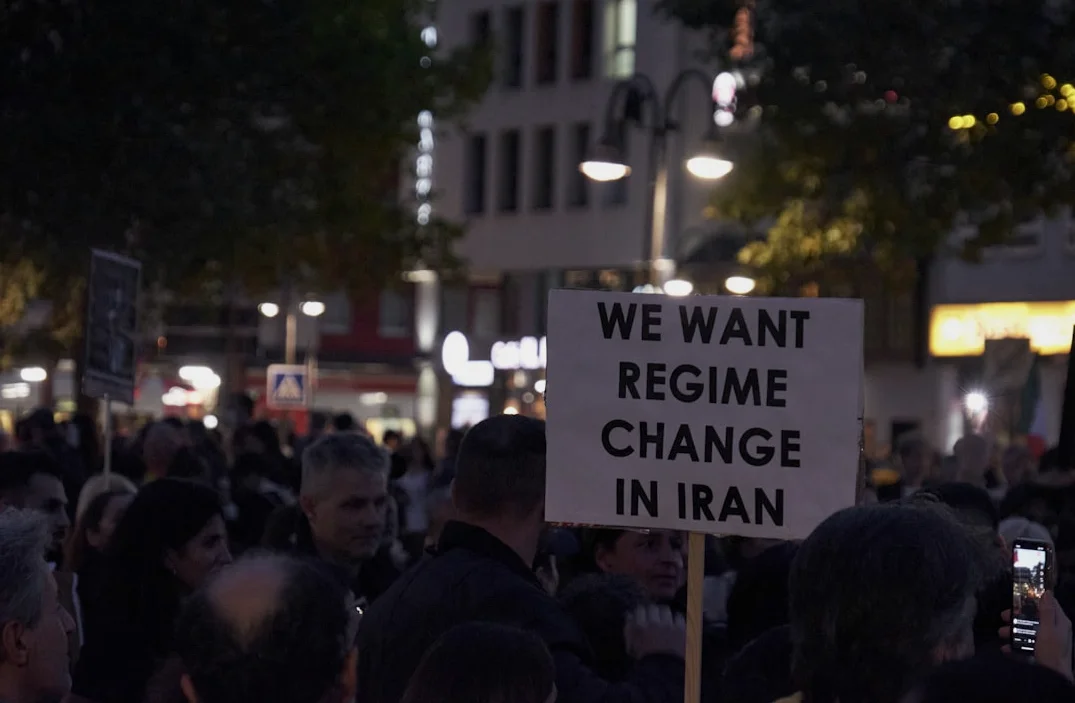
Pentagon’s Ambiguity on Ending the Iran Conflict
The Pentagon has declined to set a definitive timeframe for ending the ongoing conflict with Iran, complicating diplomatic efforts and raising questions about the war’s future trajectory. According to the Augsburger Allgemeine, a German newspaper, Pentagon officials stated there is ‘no definitive time frame’ for concluding the war, citing the complexity of the situation and the need for careful strategic planning. This ambiguity has left both military and political stakeholders uncertain about the path forward.
The lack of a clear timeline has implications for both military operations and international relations. US officials have not provided a specific end date, which could affect troop morale and the allocation of resources. Additionally, this uncertainty may hinder diplomatic negotiations with Iran and its allies, as the absence of a concrete goal makes it difficult to reach a resolution.
According to a report by The Guardian, US farmers are reeling from the economic repercussions of the war, with fertilizer costs rising sharply. This has led to concerns about the sustainability of agricultural practices in the US, as the conflict continues to strain supply chains and increase the cost of essential inputs.
International Reactions and Diplomatic Implications
The international community has expressed mixed reactions to the Pentagon’s stance on ending the conflict with Iran. European allies, including Germany and the UK, have called for a more defined strategy to resolve the situation. According to the Augsburger Allgemeine, German officials are concerned about the prolonged conflict’s impact on regional stability and have urged the US to provide a clearer roadmap for de-escalation.
In the UK, reports suggest that Trump aides attempted to block the appointment of Peter Mandelson as the UK ambassador to the US, indicating potential tensions in diplomatic relations. This move, reported by The Guardian, highlights the complexities of international cooperation in resolving the conflict.
Meanwhile, in Venezuela, Delcy Rodríguez has replaced top military commanders, according to The Guardian. This internal change in Venezuela’s military structure may have implications for regional dynamics, particularly in the context of the ongoing Iran conflict, as Venezuela has historically maintained close ties with Iran.
Economic and Social Impact of the War
The economic ramifications of the ongoing conflict with Iran are being felt across various sectors. In the US, the rise in fertilizer costs has placed significant pressure on farmers, as reported by The Guardian. This has led to concerns about the sustainability of agricultural practices and the long-term viability of farming in the US.
Additionally, the war has affected the travel industry, with fuel spikes and flight delays threatening the US spring break travel season, as noted by The Guardian. These disruptions have not only impacted the tourism sector but also raised concerns about the broader economic consequences of prolonged conflict.
According to the Augsburger Allgemeine, the German military is also grappling with the implications of the war, with high-ranking officials visiting schools to address concerns about the impact of the conflict on national security. This visit highlights the growing awareness of the war’s effects on both military and civilian populations.
Technological and Corporate Responses
Technological companies are also responding to the challenges posed by the ongoing conflict. According to The Guardian, Meta has faced scrutiny over an AI agent that caused a large sensitive data leak to employees. This incident highlights the vulnerabilities in corporate data security, especially as the war continues to strain global supply chains and increase the risk of cyber threats.
Meanwhile, JP Morgan Chase has announced plans to use computer estimates to monitor hours worked by junior bankers, as reported by The Guardian. This move reflects the broader trend of companies adapting to the economic uncertainties brought about by the conflict.
The Augsburger Allgemeine also reported on the challenges faced by the German military in the context of the war, with high-ranking officials visiting schools to address concerns about the impact of the conflict on national security. This visit highlights the growing awareness of the war’s effects on both military and civilian populations.
Looking Ahead: What’s Next
As the Pentagon continues to avoid setting a definitive timeframe for ending the conflict with Iran, the focus shifts to what comes next. Diplomatic efforts remain crucial, with international stakeholders urging for a more defined strategy to resolve the situation. According to the Augsburger Allgemeine, the German government is closely monitoring the developments and may consider increasing its involvement in regional negotiations.
The economic and social impacts of the war will likely continue to shape the discourse around ending the conflict. As the US and its allies grapple with the consequences of the war, the need for a coordinated response becomes increasingly apparent. The coming months will be critical in determining the path forward and the potential for a resolution to the ongoing conflict.
Ultimately, the resolution of the conflict will depend on a combination of diplomatic efforts, economic considerations, and the willingness of all parties involved to engage in meaningful dialogue. The absence of a clear timeframe from the Pentagon adds an element of uncertainty, but the international community remains hopeful for a resolution that can bring stability to the region.



Comments
No comments yet
Be the first to share your thoughts