

The European Union and several European countries summoned Russian envoys on Tuesday following warnings from Moscow that foreign diplomats and citizens in Kyiv risked being targeted in potential air strikes. EU spokesperson Anitta Hipper condemned the move as an “unacceptable escalation” and called on Russia to “stop hitting civilians” and to begin “genuine peace talks” starting with a full and unconditional ceasefire, according to Al Jazeera and Politico.
Threats to Diplomats and Civilian Strikes
On Monday. Russia’s Foreign Ministry issued a warning to foreign citizens and diplomats in Kyiv, urging them to leave “as soon as possible” to avoid being caught in missile strikes. The statement followed a barrage of over 80 missiles launched by Moscow on the Ukrainian capital over the weekend, which Ukrainian officials reported hit civilian buildings and injured 87 people.
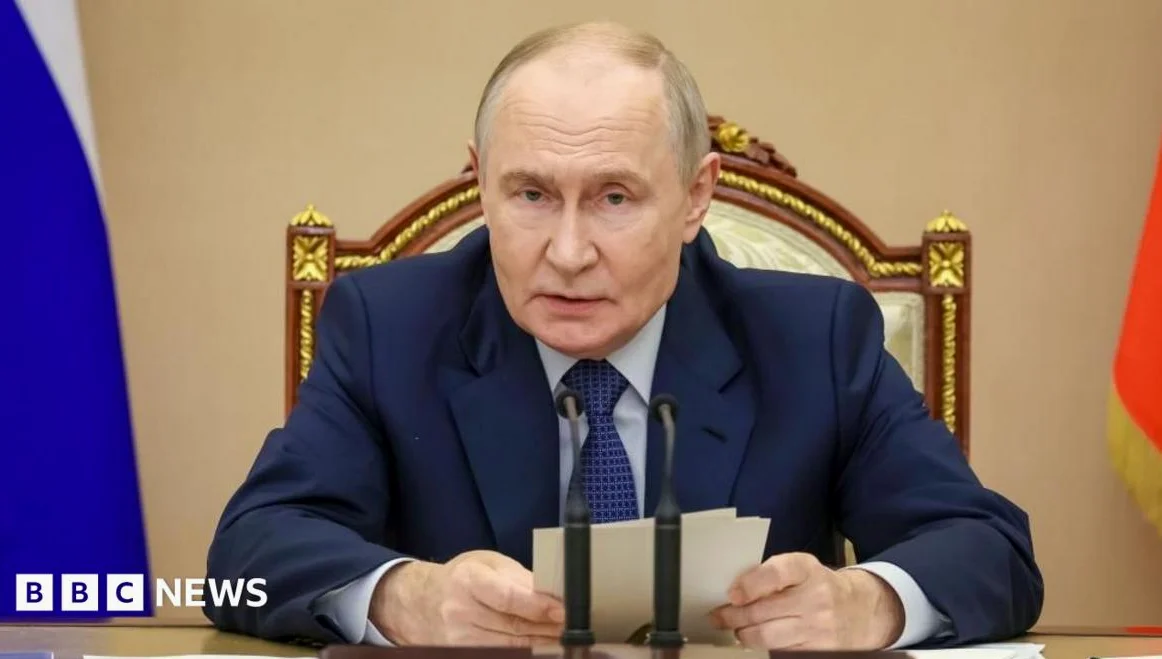
Russian President Vladimir Putin had ordered his military to prepare for retaliation after an attack on a vocational school in the Russian-occupied Luhansk region that killed 21 people last week. The warning to diplomats came as part of a broader escalation in rhetoric from Moscow following this incident.
Recent Ceasefire and Escalation
In early May. Russia and Ukraine had agreed to a three-day ceasefire to coincide with Moscow’s Victory Day celebrations marking the end of World War II. However, fighting quickly resumed, with both sides accusing each other of violating the agreement — the latest tensions reflect a pattern of sporadic pauses in hostilities without a lasting resolution to the conflict.
Among the weapons used in the recent attacks was Russia’s Oreshknik hypersonic missile, which can travel at 10 times the speed of sound, though the use of such advanced weaponry has raised concerns about the increasing lethality and complexity of the attacks on Ukrainian cities.
Call for Peace Talks and Ceasefire
Hipper emphasized the EU’s call for peace talks and a full ceasefire; the EU summoned Moscow’s chargé d’affaires in Brussels, Karen Malayan, to express its concerns. The European bloc reiterated its demand for Russia to cease attacks on civilian targets and to engage in meaningful dialogue toward a resolution of the war.
European countries, including Germany, the Netherlands, and Norway, also joined the EU in summoning Russian envoys, though the coordinated response highlights growing European unity in condemning what they see as a new level of aggression from Moscow.
The situation remains tense, with no immediate sign of a de-escalation; the EU and its member states continue to advocate for diplomatic solutions while reiterating their support for Ukraine’s sovereignty and territorial integrity.





Comments
No comments yet
Be the first to share your thoughts