

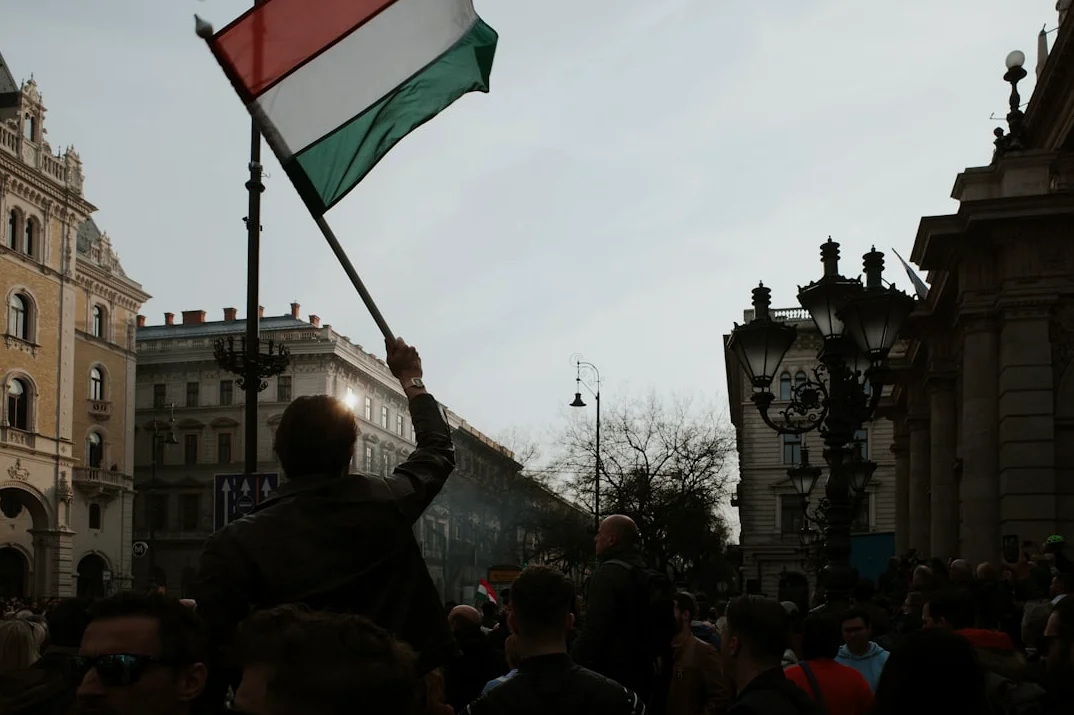
On March 6, the European Union and Hungarian political opposition leaders sharply criticized Ukrainian President Volodymyr Zelensky for remarks directed at Hungarian Prime Minister Viktor Orban, which they described as a serious threat to regional stability and EU cohesion.
Escalating Tensions Over Oil Transit
Zelensky’s comments came amid growing tensions between Kyiv and Budapest over disruptions to the Druzhba pipeline, a key conduit for Russian oil transit through Ukraine. Zelensky suggested he would provide Ukrainian soldiers with Orban’s ‘address’ so they could speak to him ‘in their own language,’ a statement that drew immediate backlash.
Orban has accused Ukraine of intentionally withholding oil transit and, in response, has blocked EU sanctions against Russia and a 90-billion-euro ($105 billion) loan for Ukraine. He has vowed to ‘break’ what he called a Ukrainian oil blockade ‘by force,’ according to reports.
Political Fallout in Hungary
Peter Magyar, leader of the Tisza Party, which seeks to unseat Orban in April parliamentary elections, called on EU leaders to ‘sever all ties with Ukraine’ until Zelensky clarifies his remarks and apologizes to Hungarian citizens.
‘Today, Ukrainian President Vladimir Zelensky threatened Viktor Orban. Russian President Vladimir Putin threatened to cut off gas supplies to all of Hungary,’ Magyar said during a public rally. ‘Neither Ukraine nor Russia can blackmail the sovereign EU and NATO member Hungary.’
Magyar’s comments reflect broader concerns within Hungary about the implications of Zelensky’s rhetoric, particularly as Orban has positioned himself as a bulwark against perceived Ukrainian aggression.
EU Calls for De-Escalation
Brussels has also rebuked Zelensky’s remarks, with an EU official stating that the language used was ‘not acceptable’ and that de-escalation is critical. European Council President Antonio Costa is working to ‘dial down the tensions between Hungary and Ukraine’ and to secure the 90-billion-euro loan for Ukraine, the official said.
‘Escalation of rhetoric by all sides is not helping our goals, and the type of language used yesterday by President Zelensky is not acceptable. There must be no threat against EU member states,’ the official added.
European Commission spokesperson Olof Gill echoed these sentiments, stating that Zelensky’s comments were ‘not acceptable’ and urging both sides to ‘dial down’ their rhetoric.
The tensions between Ukraine and Hungary have escalated further following the detention and expulsion of seven Ukrainian employees of a state bank transporting cash and gold through Hungary. Hungarian authorities linked the move to suspicions of money laundering, while Ukraine has condemned the action as ‘state terrorism’ and ‘hostage-taking,’ warning of potential retaliatory sanctions.
As the situation continues to unfold, the EU faces mounting pressure to mediate between Kyiv and Budapest, ensuring that regional stability is maintained while also advancing critical financial support for Ukraine.



Comments
No comments yet
Be the first to share your thoughts