

 BBC
BBC 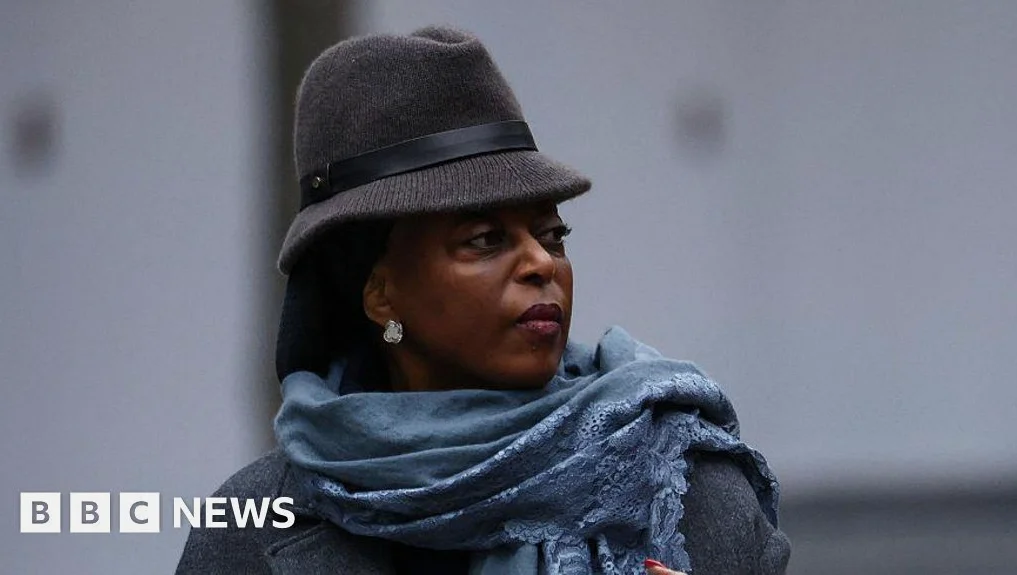
Diezani Alison-Madueke, 65, was found not guilty of five counts of accepting bribes and a charge of conspiracy to commit bribery at London’s Southwark Crown Court.
Long and Contested Trial
Alison-Madueke, who served as Nigeria’s oil minister from 2010 to 2015, was the first female president of the oil exporters group Opec — the verdict is a significant setback for the UK’s National Crime Agency (NCA), which had been investigating the case for 13 years.
From the start of the trial in January, defence lawyers argued the case was unfair, citing missing documents that could prove Alison-Madueke’s innocence, though they also criticized the long delay in bringing the case to court, suggesting it highlighted issues with Britain’s criminal justice system.
Accomplices Also Cleared
Alison-Madueke’s older brother, Doye Agama, 69, an archbishop at a Pentecostal church in Manchester, was also cleared of conspiracy to commit bribery — Oil industry executive Olatimbo Ayinde, 54, was found not guilty of bribery and bribery of a foreign public official.
Ayinde had been an informant in an anti-corruption probe by the Nigerian authorities, and her defence claimed she had been encouraged by Nigeria’s security services to “play along” with government officials asking for bribes.
Defence and Prosecution Claims
Alison-Madueke portrayed herself in court as a role model for women and a tireless fighter against corruption; she was nicknamed “Madam due process” for her strict adherence to rules.
Prosecutor Alexandra Healy KC claimed the former minister allowed powerful men with lucrative government contracts in the oil business to bankroll her extravagant lifestyle; However, the prosecution failed to provide evidence that contracts were awarded in exchange for bribes.
“At no time did I ask, take, or seek a bribe or bribes of any sort,” Alison-Madueke stated in court, and she argued many luxury items were not for her and that she offered advice on interior design to oil men.
Alison-Madueke also claimed that Nigerian ministers were not allowed to hold foreign bank accounts when on service overseas. She said her department’s London office was in such disarray that she relied on wealthy businessmen for funding, which she said was always reimbursed in Nigeria.
Evidence proving this had been seized from her home in Abuja but never produced by the authorities there. Former Nigerian president Goodluck Jonathan provided a statement stating that third parties often paid for transport, accommodation, and other items for ministers on official overseas business.
Defence barrister Jonathan Laidlaw KC questioned why the Nigerian government had not prosecuted Alison-Madueke. He stated that she had been effectively kept prisoner in the UK for almost 11 years while the NCA had done nothing to bring about the extradition of the six oil men said to have paid bribes.
The jury was not told why the oil men had not been charged. The defence claimed the investigation had been compromised from the start because the NCA was denied access to the search of Alison-Madueke’s Abuja home in 2015.
The prosecution asked the jury to trust the evidence gathered by Nigeria’s Economic and Financial Crimes Commission (EFCC) against Alison-Madueke, yet advised them to disregard the commission’s evidence in relation to a co-defendant, Olatimbo Ayinde.
Ayinde’s barrister Jonathan Lennon KC stated that his client had sought to have her case thrown out of court, and an EFCC investigator told the court that Ayinde had given “vital information that assisted the investigation.”
In a statement after the verdict, Alison-Madueke said her “nightmare is over.” She added that the case had tormented her and her family for 11 years, and that the past decade of vilification and scrutiny had finally come to an end.




Comments
No comments yet
Be the first to share your thoughts