

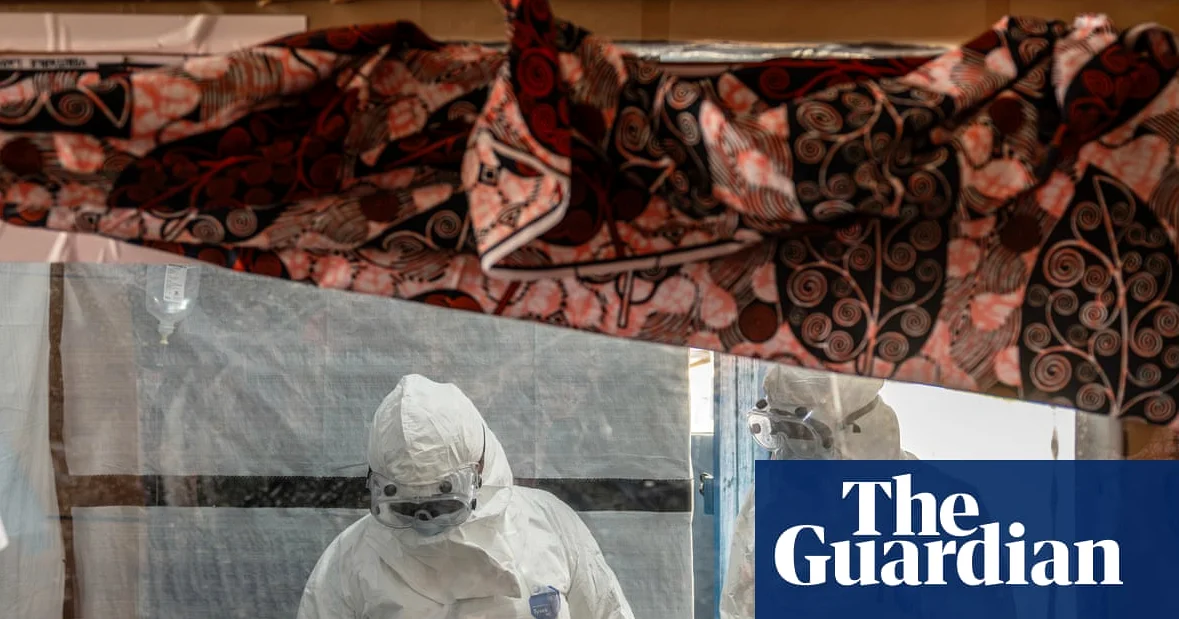
France’s health ministry has confirmed the country’s first case of Ebola in a doctor who recently returned from the DRC; the patient, who is currently in stable condition, was taken to a specialized facility for treatment, according to the Associated Press. The World Health Organization (WHO) has noted that the risk to the general population remains “very low” and urged the public not to panic.
Ebola Outbreak in DRC and Regional Spread
The current Ebola outbreak is caused by the Bundibugyo species of the virus, which has no known vaccine or treatment — this outbreak has already infected over 1,000 people in Africa, according to AOL.com. In DR Congo. The virus is concentrated in the eastern provinces of Ituri, South Kivu, and North Kivu, with Ituri accounting for more than 90% of confirmed infections.
Last week, WHO reported that 17 of the 75 health workers infected in the DRC had died, highlighting the heightened risk faced by medical professionals. Africa’s Centres for Disease Control and Prevention (Africa CDC) and U.S. public health authorities have warned that the current outbreak has the potential to be one of the largest in history.
France’s Response and Public Health Measures
France has implemented a “dedicated monitoring system” for aid workers returning from the DRC, the health ministry stated. The patient in France is the first case of the virus reported in Europe during this outbreak. The U.S. travel advisory for France, however, does not mention Ebola as a risk,it focuses on terrorism and civil unrest, including pickpocketing and ongoing protests in Paris and other cities.
The WHO has emphasized that there is “no need to panic” and that the risk to the global population remains “low.” The organization’s director, Tedros Adhanom Ghebreyesus, has reiterated these sentiments, noting that the Bundibugyo strain is relatively rare and that containment efforts are ongoing.
Broader Implications and Public Health Concerns
Ebola, a severe and often fatal illness, has an average case fatality rate of around 50%, according to WHO. Rates have varied from 25–90% in past outbreaks. Despite these alarming figures, the French patient is currently in stable condition. Health officials are working to trace individuals who may have come into contact with the doctor while in France.
While the focus remains on the Ebola situation, unrelated public health concerns persist in other regions. In Conakry, residents of the Dar Es Salam neighborhood continue to suffer from toxic smoke caused by a large municipal trash dump. Families describe difficulty breathing and long-term health issues, with children being particularly vulnerable to the effects of the pollution.




Comments
No comments yet
Be the first to share your thoughts