

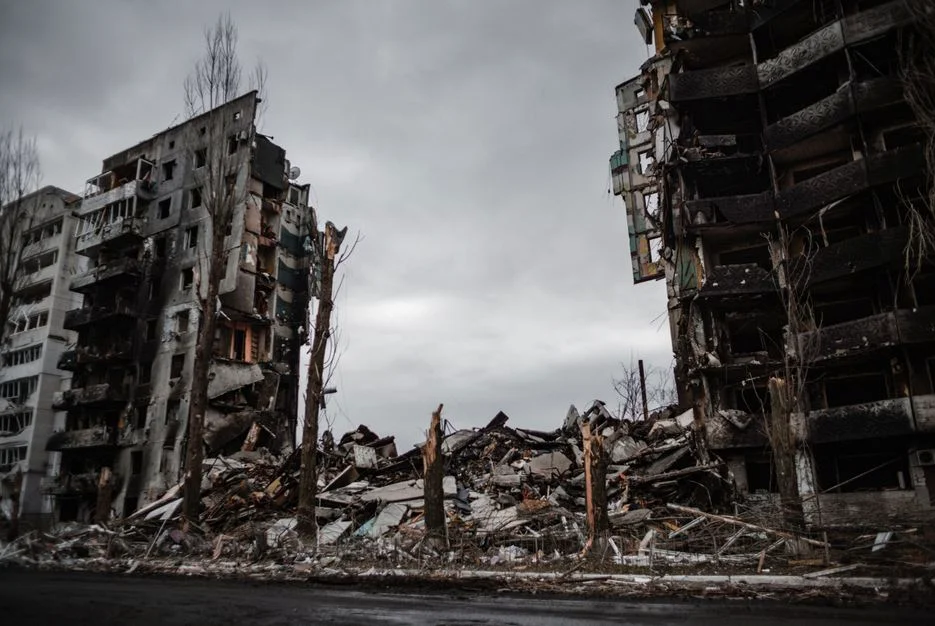
Since the beginning of July. The Middle East has seen new fronts in the ongoing U.S.-Iran conflict, as both sides continue to assert their influence; a temporary ceasefire between the U.S. and Iran, signed in mid-June, appeared to bring a brief respite, but it has since unraveled. Iran resumed threats against ships transiting the Strait of Hormuz, while the U.S. resumed bombing operations, and Tehran retaliated against U.S. allies in the Persian Gulf.
Regional Escalations and New Combatants
The breakdown of the truce has led to increased military activity and new conflict zones, and In Yemen, Saudi Arabia launched airstrikes against Houthi-controlled territory in Hodeida following attacks on its vessels. The Houthi rebels. Aligned with Iran, responded with missile strikes against southern Saudi cities, escalating the cycle of retaliation; the Red Sea, once a relatively stable trade corridor, now faces renewed threats from Houthi attacks on international shipping.
According to Kenneth M. Pollack, vice president for policy at the Middle East Institute, the June agreement created confusion over the Strait of Hormuz, with the U.S. expecting free oil flows and Iran interpreting the deal as granting it greater control over the waterway. This misunderstanding has fueled regional tensions and allowed Iran to pursue a broader strategy of redefining its relationships in the Gulf.
U.S. Allies Strengthen Military Cooperation
U.S. allies such as Bahrain, Kuwait, and Saudi Arabia are now taking proactive measures against Iran, according to Dana Stroul, deputy assistant secretary of defense for the Middle East in the Biden administration. Stroul noted that military cooperation among Gulf states has increased as they respond to Iran’s aggression and seek to counter its growing influence in the region.
On the ground in Yemen, the Houthi rebels continue to act as a critical Iranian asset. The Huthi militia, which controls parts of the country and is backed by Iran, has targeted international shipping in the Red Sea, mirroring their actions during the Gaza conflict. The Houthi’s strategy, backed by Iranian support, is to destabilize regional trade and challenge U.S. and Gulf allies.
Global Markets and Geopolitical Uncertainty
Global financial markets have not been immune to the rising tensions. U.S. stock markets closed lower on Monday as oil prices climbed amid the escalation in the Middle East. The Dow Jones Industrial Average fell over 300 points, closing down 0.59%, while the S&P 500 and Nasdaq also saw declines. However, semiconductor stocks showed resilience, with the VanEck Semiconductor ETF (SMH) rising 0.41% after three consecutive days of losses.
As the U.S. military continues its strikes, entering a tenth consecutive day, the global economy remains on edge. Brent crude climbed above $90 a barrel on Monday, reflecting the impact of renewed hostilities on oil markets. The situation in the Middle East continues to weigh on investor sentiment, even as some sectors, such as chip stocks, attempt to offset the broader market downturn.
While the U.S. and Iran remain central to the conflict, the involvement of regional actors and the emergence of new battlegrounds suggest that the war is expanding in scope. Analysts warn that the lack of a full resolution to the June memorandum of understanding has only deepened existing divisions and created new flashpoints for conflict.




Comments
No comments yet
Be the first to share your thoughts