

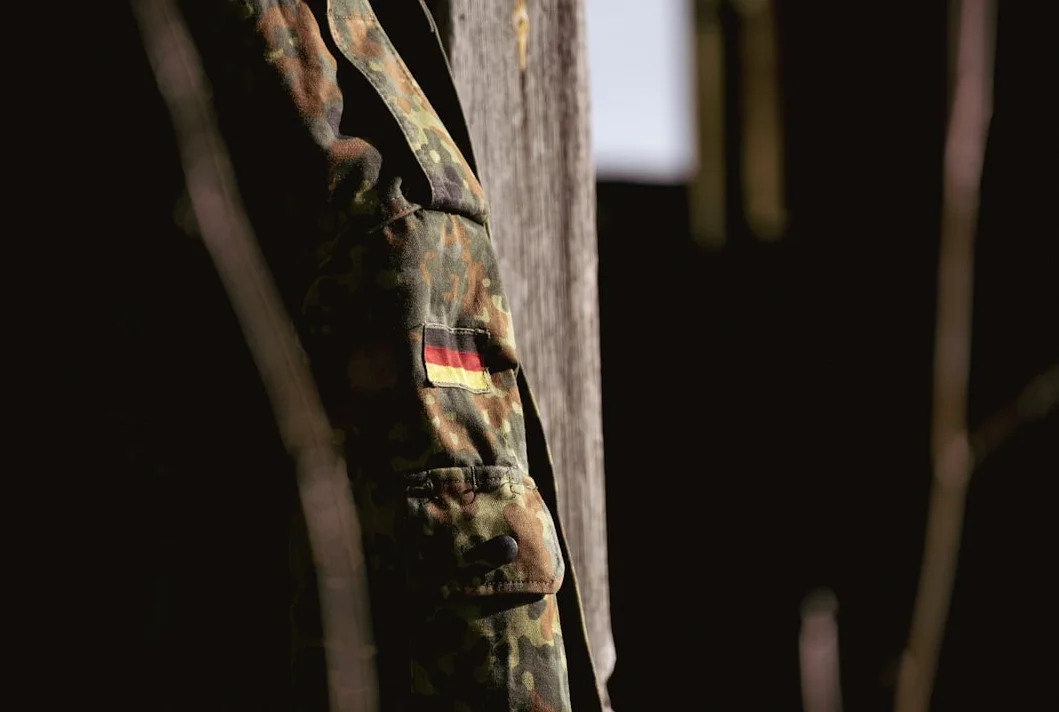
The US decision to reduce troop presence in Germany has been described as ‘anticipated’ by the German government, which emphasized the need for Europe to invest more in its own defense. The Pentagon said the reduction will take place over the next six to 12 months, reversing a buildup under President Biden following Russia’s full-scale invasion of Ukraine in 2022, according to The Guardian.
Tensions in US-Europe Relations
The withdrawal comes amid heightened tensions between US President Donald Trump and European allies, particularly Germany’s Chancellor Friedrich Merz. Merz recently criticized the US for being ‘humiliated’ by Iran’s leadership, prompting a sharp response from Trump, who accused Merz of not knowing what he was talking about. Trump also urged Merz to ‘fix his broken country,’ according to Al Jazeera.
Trump’s frustration with European defense spending has been longstanding, and his comments on NATO as a ‘paper tiger’ and ‘absolutely useless’ have further strained transatlantic relations. The troop reduction is seen by some analysts as a way to ‘hit the Germans where it hurts,’ including through tariffs on EU automobiles, which are expected to cost Germany’s economy billions, as reported by Al Jazeera and NPR.
Changing Strategic Priorities
Former US diplomat Donald Jensen told Al Jazeera that the withdrawal reflects shifting US military priorities and could signal a longer-term reconfiguration of Europe’s security framework. He suggested that more American troops might be moved closer to China, which Washington views as a greater threat than Russia, while Jensen also noted the move could lead to a ‘more transactional view by Washington of our European partners.’
Germany’s defense minister. Boris Pistorius. Said the decision was ‘anticipated’ and insisted his country is ready to shoulder more of the burden of its defense. ‘The presence of American troops in Europe. Particularly in Germany. Lies in our interest and in the interest of the US,’ he said, according to NPR, as the German government estimated the current US troop strength in Germany at 40,000, with the withdrawal expected to leave more than 30,000 troops remaining.
Broader NATO Concerns
NATO’s spokesperson. Allison Hart. Said the alliance was ‘working with the US to understand the details of their decision on force posture in Germany,’ as reported by The Guardian. Hart emphasized that the adjustment ‘shows the need for Europe to continue to invest more in defence and take on a greater share of the responsibility for our shared security.’
NATO allies have made progress since agreeing last year to invest 5% of GDP in defense, according to The Guardian. The German defense ministry spokesperson echoed this sentiment, saying the withdrawal demonstrates the need to ‘strengthen the European pillar within NATO.’
Meanwhile, the US withdrawal has raised concerns about the durability of the NATO alliance and America’s long-term commitment to Europe, according to NPR. The Pentagon attributed the decision to a ‘thorough review of the Department’s force posture in Europe,’ as stated by Pentagon spokesman Sean Parnell in a statement to NPR.
Spain and Italy may also see troop withdrawals if current trends continue, NPR reported. The move has prompted rare criticism from top Republican lawmakers, who questioned the Trump administration’s approach to NATO and European security.




Comments
No comments yet
Be the first to share your thoughts