

 The Hindu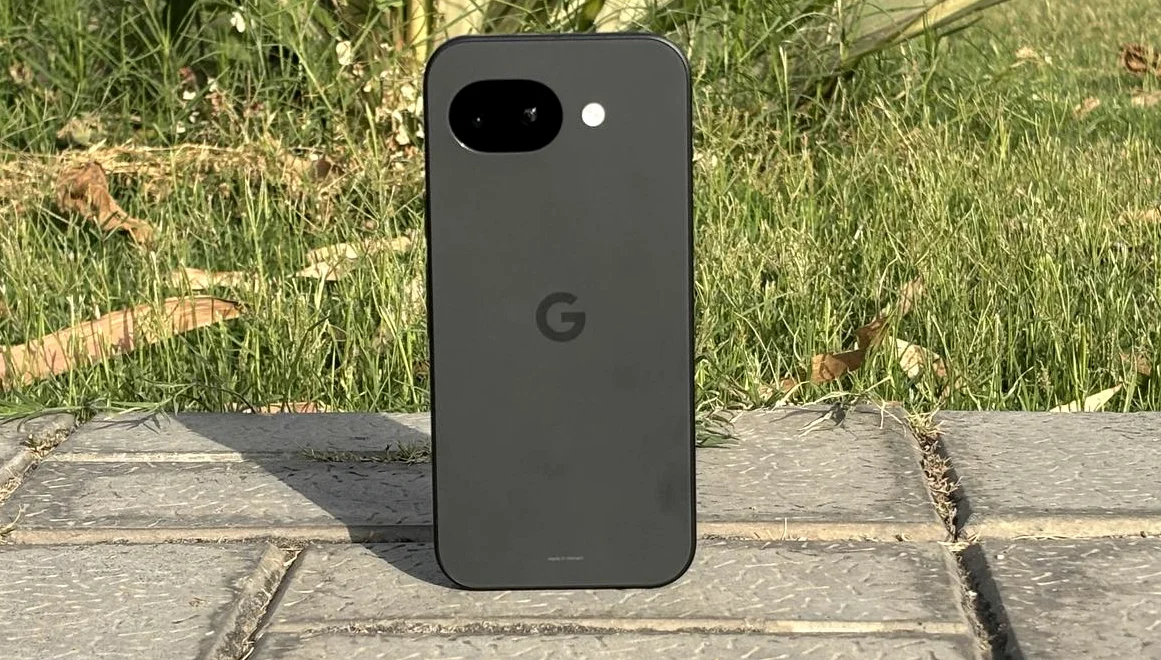
The Google Pixel 10a continues the company’s strategy of offering refined upgrades rather than major changes, arriving in India with a price tag of ₹49,999. This places the device in the premium mid-range segment, where consumers are increasingly selective about their purchases. The Pixel 10a now faces stiff competition from models like the OnePlus 15R and iQOO 15R, both of which are positioned in the same price range and offer similar features.
Design and Build Quality
Google has long prioritized a minimalist and understated design for its Pixel lineup, and the Pixel 10a is no exception. The device closely resembles its predecessor, the Pixel 9a, but with subtle refinements that give it a slightly cleaner look. The camera module on the back is now flush with the body, eliminating the visible ridge that was present in earlier models. This design choice contributes to a more smooth aesthetic.
The Pixel 10a uses a matte plastic rear panel paired with a matte aluminum frame. While this combination may not feel particularly premium, it helps keep the device lightweight and practical for everyday use. The matte finish also provides decent resistance to fingerprints, though users may find the phone slightly slippery in their hands.
In terms of dimensions, the Pixel 10a remains compact by modern standards, with a weight of around 183 grams and a thickness of about 9mm. This makes it comfortable to hold and operate with one hand, a welcome contrast to the larger devices that dominate the market. The phone also features Gorilla Glass 7i on the front, an upgrade from the previous generation, and an IP68 rating for dust and water resistance, ensuring durability in daily use.
Display and Visual Experience
The Pixel 10a is equipped with a 6.3-inch P-OLED display with a resolution of 1080 × 2424 pixels and a pixel density of around 422 PPI. The panel supports a 120 Hz refresh rate, which ensures smooth scrolling and responsive animations. While the display specifications are similar to the previous generation, Google has made improvements in brightness levels. The screen can now reach up to 2,000 nits in high brightness mode and nearly 3,000 nits peak brightness, significantly enhancing outdoor visibility.
The display performs well under routine daily use conditions. Colors look natural and balanced rather than overly saturated, a hallmark of Pixel devices. HDR10+ support further enhances the viewing experience when streaming content on platforms like Netflix or YouTube. The Pixel 10a also includes Adaptive Tone, a feature that adjusts the display’s color temperature based on ambient lighting conditions, making it easier on the eyes during prolonged use.
Software and AI Features
Software has always been a strong selling point for Pixel devices, and the Pixel 10a continues this tradition. It runs on Android 16, offering a clean and refined software experience. The interface remains close to stock Android but includes Google’s own visual touches through Material 3 Expressive UI, which introduces smoother animations and more dynamic transitions throughout the system.
Artificial intelligence plays a more prominent role in this model. The Pixel 10a includes Magic Cue, which connects information across different apps and surfaces useful actions when needed. For example, if you’re discussing travel plans in a chat, the system can quickly bring up relevant flight information. Additionally, Google’s Gemini AI integration continues to evolve, with Gemini Live allowing the assistant to analyze what the camera sees and provide contextual guidance in real time.
One of the major advantages of the Pixel lineup is its long-term software support. The Pixel 10a will receive seven years of Android updates and security patches, which remains one of the best update policies currently available in the smartphone industry. This ensures that the device will remain secure and up-to-date for a significant period.
Performance and Benchmarking
The Pixel 10a is powered by the Google Tensor G4 processor, paired with 8 GB of RAM and up to 256 GB of storage. Interestingly, this is the same chipset used in the Pixel 9a, which means there is no major generational jump in raw processing power. However, the device still performs reliably in everyday use. Apps launch quickly, multi-tasking remains smooth, and the phone handles routine tasks without noticeable slowdowns.
In benchmark tests, the Pixel 10a recorded 1722 in Geekbench single-core and 4271 in multi-core tests, along with an AnTuTu score of 1,392,397. While these numbers are respectable, they fall behind some competitors like the OnePlus 15R and iQOO 15R, which typically deliver stronger benchmark performance due to more powerful processors. However, real-world usage shows that the Pixel 10a handles daily tasks comfortably, with smooth app performance and good heat management during extended use.
Camera Capabilities
Photography has always been a strong area for Pixel devices, and the Pixel 10a continues this tradition. The phone features a 48 MP primary camera, accompanied by a 13 MP ultrawide sensor, while the front houses a 13 MP selfie camera. In daylight conditions, the main camera captures detailed images with excellent dynamic range. Colors appear natural and balanced, and the contrast levels are well maintained. Google’s image processing ensures that photos look clean without appearing overly processed.
The Pixel 10a also performs well in indoor photography, handling tricky lighting situations effectively. The camera maintains accurate white balance and preserves highlights, resulting in good overall results. The ultra-wide camera is useful for landscapes and group shots, though it lacks autofocus. It still captures pleasing images as long as the subject is not extremely close.
Low-light performance remains another strong point, with the Night Sight mode enhancing exposure and reducing noise while keeping the images realistic. The photos do not appear artificially brightened, which helps them reflect the actual scene more accurately. Portrait shots also look impressive, with good edge detection and natural background blur. The selfie camera captures sharp images with accurate skin tones, making it suitable for video calls and social media use.
Battery Life
The Pixel 10a is equipped with a 5,100 mAh battery, matching the same capacity as the previous generation. This provides users with a reliable power source that should last through a full day of moderate usage. While the exact battery life in real-world conditions wasn’t tested in this review, the capacity suggests that the device should handle a day’s worth of tasks without needing frequent charging.
The Pixel 10a’s battery performance, combined with its efficient software and hardware, should provide users with a balanced experience. The device is expected to perform well in terms of endurance, especially given the improvements in display brightness and processing efficiency.
Conclusion
The Google Pixel 10a continues the company’s strategy of offering refined upgrades rather than major overhauls. While it may not bring significant changes in terms of hardware, the device still offers a solid overall experience. With a clean design, improved display, strong software support, and reliable performance, the Pixel 10a is a practical choice for users looking for a well-rounded smartphone in the premium mid-range segment.






Comments
No comments yet
Be the first to share your thoughts