

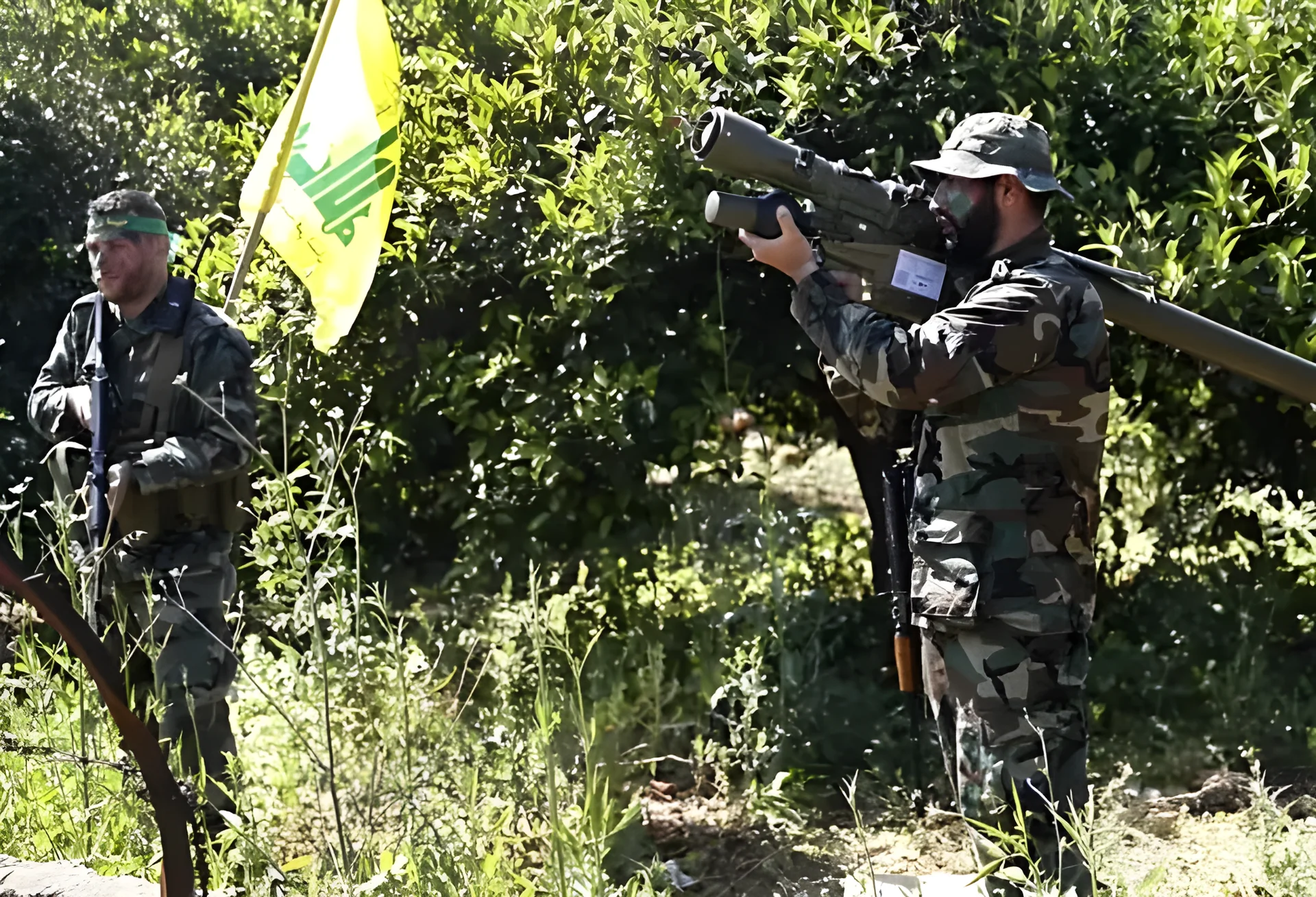
Hezbollah, the armed group operating in Lebanon, has officially joined the ongoing conflict between Israel, the United States, and Iran, according to a statement released by the organization. The group conducted an attack on an Israeli missile defense facility in Haifa, using missiles and drones, and described the action as a ‘legitimate defense.’
Attack on Haifa’s Defense Facility
The attack occurred at midnight, targeting the Israeli military’s missile defense facility in Mishmar HaCarmel, located south of the occupied city of Haifa. Hezbollah claimed the strike was in response to the assassination of Ayatollah Ali Khamenei, Iran’s supreme leader, and to defend Lebanon from ongoing Israeli aggression.
According to the organization’s statement, the attack was carried out as a form of ‘revenge’ for the assassination and to deter further Israeli military actions. The group emphasized that Israel’s continued attacks and assassinations granted them the ‘right to respond at the appropriate time and place.’
Hezbollah also stated that Israel could not continue its months-long aggression without facing a deterrent response. The organization described the attack as part of its ‘legitimate defense’ and called for Israel to withdraw from the occupied Lebanese territories.
Israeli Retaliation and Casualties
In response to the attack, Israel launched retaliatory strikes against Hezbollah positions in Lebanon. According to reports, 35 people lost their lives in these Israeli attacks, which targeted areas across southern Lebanon.
Israeli Defense Minister Israel Katz condemned the Hezbollah attack, stating that the group would ‘pay a heavy price’ for its actions. He also announced that Hezbollah Secretary-General Na’im Qasim, who he claimed initiated the attack under Iranian pressure, would be targeted for neutralization.
Katz warned that anyone who follows Ayatollah Khamenei would face severe consequences, saying, ‘Anyone who follows Khamenei will soon find themselves in the depths of hell, just like the others neutralized in the ‘axis of evil.’ We will not return to the rules of engagement before October 7, and we will protect the people in the north and all citizens of Israel with full force.’
The statement from the Israeli defense minister highlights the growing intensity of the conflict and the potential for further escalation. His comments also suggest a hardline stance against Hezbollah and Iran, with a focus on neutralizing key figures within the group.
Significance for Regional Stability
The involvement of Hezbollah in the conflict marks a significant shift in the regional dynamics, potentially drawing more direct involvement from Iran and the United States. The attack on Haifa and subsequent Israeli retaliation have raised concerns about the possibility of a broader regional war.
Analysts warn that the situation could spiral out of control, especially with the involvement of non-state actors like Hezbollah and the potential for direct military confrontation between Israel and Iran. The stakes are high for civilians in Lebanon and Israel, as both sides have already begun targeting each other’s military infrastructure.
With the ongoing conflict, the international community faces a critical juncture in managing the situation. The involvement of Hezbollah has not only complicated the existing tensions but also raised the risk of a wider war that could have global implications.
The recent developments are not isolated. Similar escalations have occurred in the past, particularly following the 2006 Lebanon War and the 2020 clashes in southern Lebanon. The current situation, however, is marked by a new level of coordination and intensity, with both sides showing no signs of backing down.
As the conflict continues, the international community will be closely watching the next moves by all parties involved. The potential for further attacks and retaliations remains high, with the situation likely to remain volatile in the coming weeks.






Comments
No comments yet
Be the first to share your thoughts