

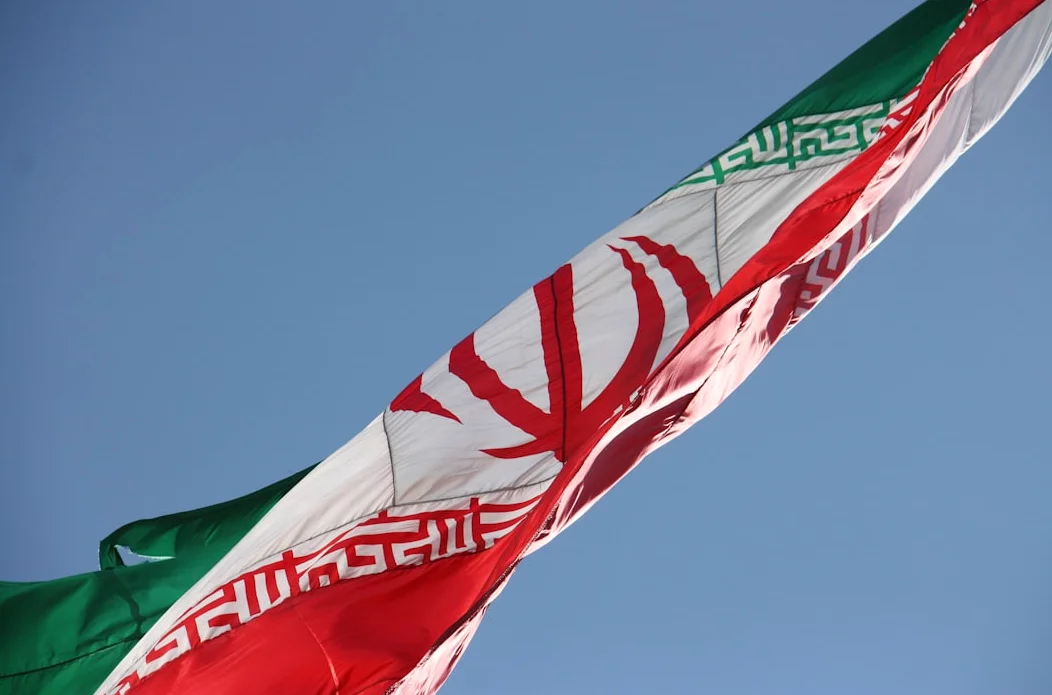
Multiple reports indicate that traffic is trickling through the Strait of Hormuz, with Iran allowing more ships to pass despite reports of a de facto blockade. According to CNBC. The movement of vessels has raised questions about who is moving and who is stranded in the critical waterway. Meanwhile, Al Jazeera reports that data suggest Iran is permitting increased maritime traffic, possibly in response to growing tensions in the region. BILD adds that Iranian authorities have issued warnings about potential attacks on power plants, while Japanese news outlets highlight that Iran is continuing to ship oil to China through the strait despite the alleged blockade. South Korean reports confirm that Iran is maintaining oil exports to China, indicating a strategic effort to keep the strait open for commercial traffic.
Strategic Maneuvers and Regional Tensions
The situation in the Strait of Hormuz has become increasingly complex as multiple actors maneuver to assert control over the critical waterway. According to CNBC. The movement of ships through the strait has been inconsistent, with some vessels passing through while others are reportedly delayed or rerouted, though this inconsistency has led to speculation about the underlying reasons for the selective access to the strait. Al Jazeera reports that Iran has been allowing more ships to pass, possibly as a strategic move to counterbalance potential threats from the United States and its allies. Japanese news outlets note that despite the alleged blockade, Iran continues to ship oil to China, highlighting the country’s efforts to maintain economic ties even under heightened tensions.
Iranian officials have issued warnings about potential attacks on power plants, according to BILD; these threats are part of a broader strategy to deter any military action from the United States and its allies. The reports suggest that Iran is using the threat of retaliatory strikes to ensure that commercial shipping remains unaffected. South Korean sources confirm that Iran is maintaining oil exports to China, indicating that the country is not fully closing the strait despite the reported tensions. This selective approach may be aimed at avoiding a complete economic collapse while still asserting influence over the waterway.
Regional Reactions and Local Impact
Local reactions to the situation in the Strait of Hormuz have varied across different regions. According to Japanese news outlets. The continuation of oil exports to China has been met with mixed reactions. Some local officials in China have expressed concern about the potential risks of relying on Iranian oil during a period of heightened tensions; However, others see it as an opportunity to strengthen economic ties with Iran. In contrast. South Korean reports indicate that the situation has not significantly impacted domestic markets, with oil prices remaining relatively stable.
BILD reports that German experts have raised concerns about the potential for Iranian threats to affect European travelers. They warn that the situation in the strait could lead to increased security measures and travel restrictions in the region — this has led to speculation about whether certain countries may become no-go areas for tourists. However, local officials in Germany have downplayed these concerns, stating that there is no immediate threat to civilian travel.
The local impact of the situation in the Strait of Hormuz has also been felt in other parts of the world. According to Al Jazeera, the movement of ships through the strait has raised questions about the broader implications for global trade. The reports suggest that the situation could have far-reaching consequences for international shipping routes and the global economy. In particular, the continued flow of oil through the strait could help stabilize global energy markets, despite the underlying tensions.
International Responses and Future Implications
The international community has been closely monitoring the situation in the Strait of Hormuz, with different countries responding in various ways. According to Al Jazeera, the United States and its allies have been calling for increased security measures in the region to prevent any escalation of hostilities. Japanese news outlets highlight that the Japanese government has been in contact with Iranian officials to ensure the safe passage of commercial vessels through the strait. This diplomatic engagement suggests that Japan is seeking to maintain stable trade relations with Iran despite the ongoing tensions.
South Korean reports indicate that the South Korean government has also been closely monitoring the situation in the strait. They have expressed concern about the potential impact on regional security and have called for increased cooperation with other countries to ensure the safety of commercial shipping routes. The reports suggest that South Korea is working to maintain a balance between its economic interests and the need for regional stability.
BILD reports that German officials have been in discussions with their counterparts in other European countries to assess the potential risks associated with the situation in the strait. They have emphasized the need for a coordinated response to any potential threats to maritime traffic. This indicates that European countries are taking the situation seriously and are working to develop a unified strategy to address the challenges posed by the strait’s instability.
What’s Next for the Strait of Hormuz
The future of the Strait of Hormuz remains uncertain as the situation continues to evolve. According to CNBC, the movement of ships through the strait has been inconsistent, with some vessels passing through while others are reportedly delayed or rerouted. This inconsistency has raised questions about the underlying reasons for the selective access to the strait. Al Jazeera reports that the situation could have far-reaching implications for global trade and the global economy. The reports suggest that the continued flow of oil through the strait could help stabilize global energy markets, despite the underlying tensions.
Japanese news outlets highlight that the Japanese government is likely to continue its diplomatic efforts to ensure the safe passage of commercial vessels through the strait. This approach suggests that Japan is seeking to maintain stable trade relations with Iran despite the ongoing tensions. South Korean reports indicate that the South Korean government is also likely to continue its efforts to monitor the situation in the strait and to work with other countries to ensure the safety of commercial shipping routes.
BILD reports that German officials are likely to continue their discussions with European counterparts to assess the potential risks associated with the situation in the strait. They have emphasized the need for a coordinated response to any potential threats to maritime traffic. This indicates that European countries are likely to continue their efforts to develop a unified strategy to address the challenges posed by the strait’s instability.
The situation in the Strait of Hormuz is likely to remain a focal point of international attention in the coming weeks. The continued movement of ships through the strait, despite the reported tensions, suggests that the region is not entirely closed off to commercial traffic. However, the underlying issues that have led to the situation in the first place are likely to remain unresolved, posing ongoing challenges for the international community.





Comments
No comments yet
Be the first to share your thoughts