

Houston volunteers hand out Narcan kits on street corners where overdoses strike hardest. They target older Black men, a group hit hard by limited healthcare access, according to federal data.
Tenisha Carter stood with a cluster of people downtown on a recent afternoon. She lost two young friends to overdoses. ‘I worry about it every day,’ she said.
Curtis Young pointed to a slab of concrete nearby. The U.S. Army veteran slept there while homeless and using drugs. Now 18 years sober, he partners with Shawn Allison, who marked 11 years clean after decades selling codeine, starting at age nine.
Allison knows the streets. ‘I drank it, sold it, and watched it kill,’ he said. He now urges former customers to quit, handing them Narcan. The spray, whose generic name is naloxone, reverses opioid overdoses from fentanyl, heroin, painkillers or laced drugs like marijuana. No prescription is needed, though store prices run hundreds of dollars.
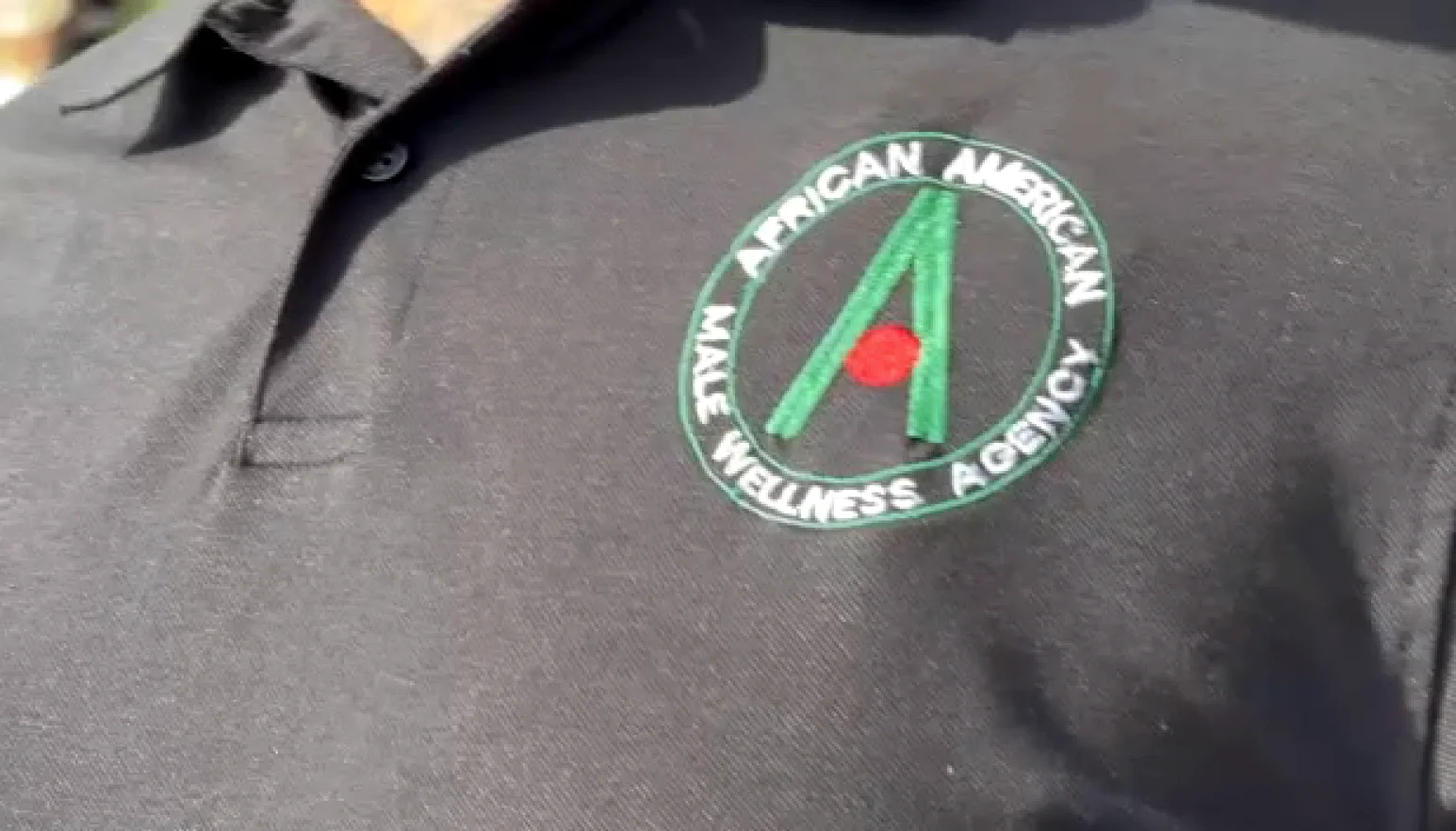
The boxes Allison and Young distribute come free from the African American Male Wellness Agency. Convincing skeptics remains tough. ‘I got less pushback selling drugs than giving away Narcan,’ Allison said.
The agency serves Black men with physical and mental health services. Studies show they often skip doctors due to distrust. National Institutes of Health data reveal overdose deaths among Black men 55 and older jumped nearly fivefold from 2015 to 2023. Last year, their rate tripled the national average for that age. While overall U.S. and Texas deaths dipped in 2024 and early 2025, rates for older Black men keep climbing.
A $1 million grant from the Harris County Health Department fuels the push. Funds buy Narcan for police, companies, restaurants and nightclubs. ‘We’re getting it out as fast as we get it,’ said Executive Director Dr. Donnell Cooper.
Program Manager Dr. Jocelyn Williams highlighted trust gaps. ‘People avoid hospitals and doctors when they need help most,’ she said.
Shante Francis, executive director of partner nonprofit Meet the Streets, stresses personal stories. ‘You can’t judge without knowing why someone makes choices,’ she said.
Young and Allison embody recovery. Allison got sober after his father’s death during his fifth prison stint. ‘Seeing him in a box broke me,’ he said.
The pair connected through shared history. Young bought drugs from Allison years ago. Now they team up. ‘God works in ways,’ Young said. Allison laughed: ‘He said I wasn’t that big back then—I was skinny.’
‘Who better than us?’ Allison asked. ‘We know the lingo. They see we sold and used. Now we show change is real.’
The agency trains anyone willing. On that downtown slab, a small crowd practiced Narcan sprays. Curtis Young demonstrated the quick puff into a nostril. Seconds count in overdose reversals.
Harris County logs hundreds of opioid deaths yearly. Fentanyl drives most. Volunteers like these bridge gaps formal care misses.
Dr. Cooper plans wider reach. Certification classes fill fast. Police officers join bar workers. All learn to spot signs: slow breathing, blue lips.
Recovery tales inspire. Allison rebuilt after prison. Young found purpose post-Army and homelessness. Their presence disarms doubts. Recipients nod, pocket kits, walk away ready.
Overdose calls hit Houston emergency lines daily. Narcan saves lives in minutes. This grassroots effort multiplies those chances, one spray at a time.

Comments
No comments yet
Be the first to share your thoughts