

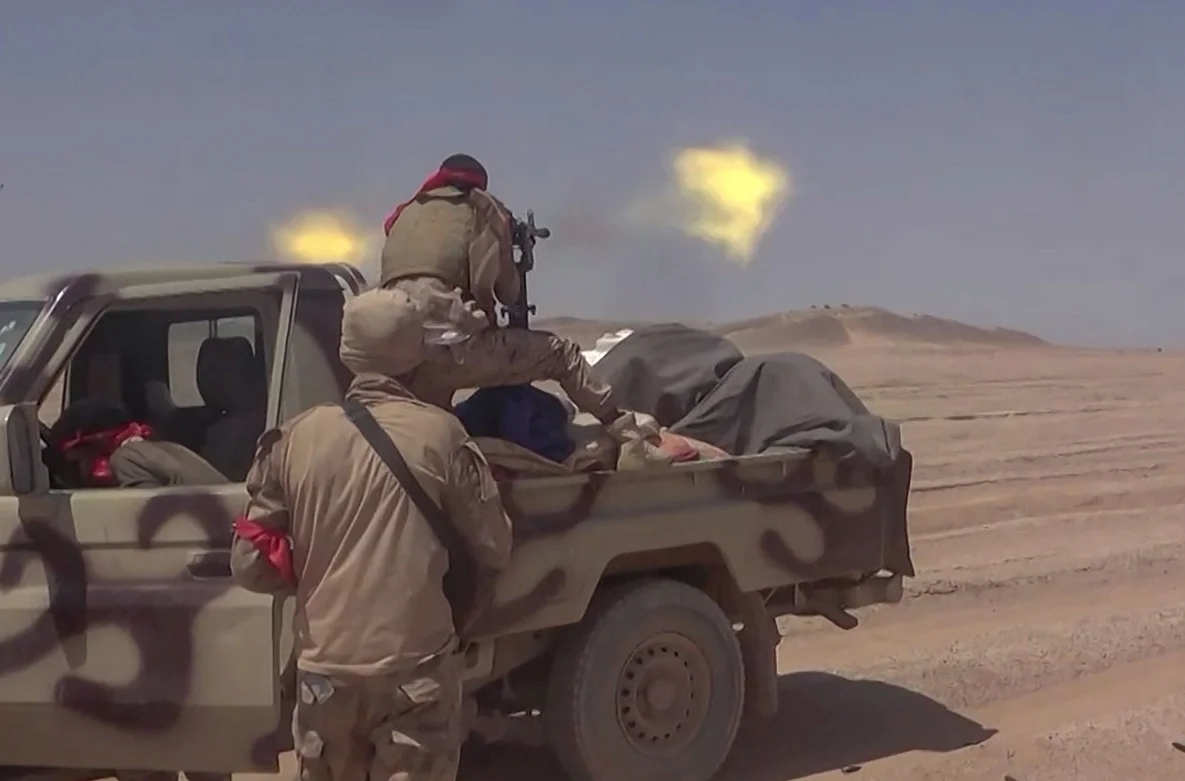
U.S. officials met with a Houthi delegation at the U.S — Embassy in Muscat, Oman, over the weekend, according to Reuters, citing multiple sources on the 15th (local time). The meeting occurred only days after the Houthis drove out Saudi-backed forces and took control of strategic Red Sea locations, including the port city of Mocha and Perim Island in the Bab el-Mandeb Strait.
Houthis Deny Intention to Attack U.S. or Israeli Vessels
According to sources, the Houthis informed U.S. officials during the meeting that they had no intention of attacking U.S. vessels and would continue to abide by the truce agreement reached with the United States in 2025. A Yemen-based source said the group also indicated it would not attack Israeli ships or ordinary merchant vessels, with the exception of Saudi Arabian ships.
The meeting was reportedly arranged by Oman, which has long acted as a mediator in Middle East conflicts; the U.S. reportedly declined Crown Prince Mohammed bin Salman’s request for intervention, suggesting an implicit understanding with the Houthis, according to KBS News.
Strategic Gains and Escalated Tensions
The Houthis recently seized control of Yemen’s entire Red Sea coast, including the Bab al-Mandab Strait, a vital artery for the export of Saudi oil, according to AFP. The move has created another chokepoint for global oil movement, with the Middle East war already affecting the Strait of Hormuz.
The group has been engaged in a large-scale offensive against Yemen’s Saudi-backed government forces since July, expanding its control over northern Yemen, as Fighting recently flared in Al-Jawf province, near the Saudi border, following territorial advances by the Houthis.
The primary target of the Houthis is Saudi Arabia, a U.S. ally. Houthi spokesman Yahya Saree stated on September 11: “(We will) continue to implement the principle of ‘blockade for blockade,’ strike Saudi targets, and respond to escalation with escalation,” according to KBS News.
Geopolitical Implications and U.S. Strategy
With Saudi Arabia facing a difficult situation, the growing influence of the Houthis,seen as an Iranian proxy force—is viewed as beneficial to Iran. The U.S. has maintained a truce agreement with the Houthis since 2025, and the recent meeting in Muscat suggests a continued diplomatic effort to manage tensions.
The Houthis’ control over key Red Sea chokepoints has increased regional instability, with potential global economic and energy implications, but the U.S. has not taken military action against the group, indicating a shift in strategy toward diplomatic engagement.
Analysts suggest that the U.S. decision to meet with the Houthis signals a recalibration of its approach in the region, balancing concerns over Iranian influence with the need to avoid direct confrontation.





Comments
No comments yet
Be the first to share your thoughts