

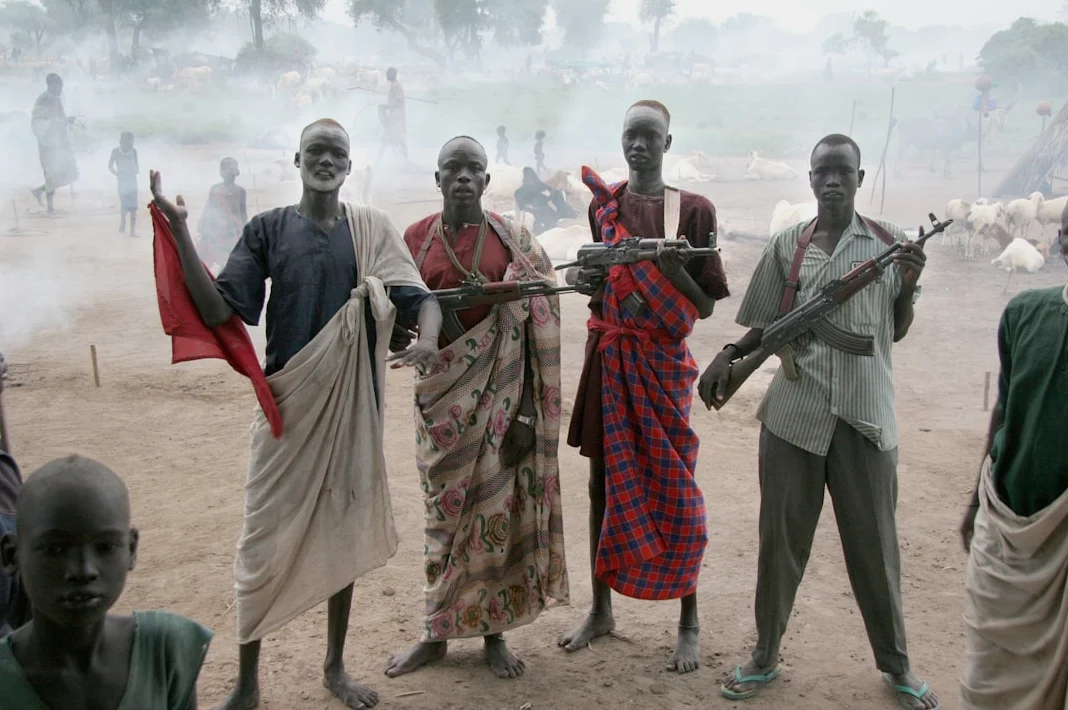
The humanitarian situation in Sudan has reached catastrophic levels, with over 10 million people in need of urgent assistance, according to the International Rescue Committee. The conflict. Which has been ongoing since April 2023, has displaced more than 7 million people and left millions without access to clean water, food, or medical care. According to the International Rescue Committee, the crisis has been exacerbated by the collapse of infrastructure and the lack of international aid reaching affected areas.
Escalating Violence and Displacement
The conflict in Sudan has intensified over the past year, with fighting reported in multiple states including Khartoum, North Darfur, and South Kordofan. According to a report from the United Nations, over 2.5 million people have been displaced within Sudan, while more than 1.5 million have fled to neighboring countries. The International Rescue Committee has noted that the violence has particularly impacted children, with over 400,000 children now living in overcrowded refugee camps without access to basic necessities.
Armed groups. Including the Rapid Support Forces (RSF) and the Sudanese Armed Forces (SAF), have been engaged in brutal clashes that have led to widespread destruction. According to a recent report by the NGO, the RSF has been responsible for numerous attacks on civilian areas, including the bombing of hospitals and schools. The United Nations has called for an immediate cessation of hostilities and the protection of civilians.
Challenges in Aid Delivery
Despite the severity of the crisis. Aid delivery has been severely hampered by the ongoing conflict — According to the International Rescue Committee, only 15% of the required humanitarian aid has reached affected communities in 2024. The lack of access to conflict zones has made it difficult for organizations to provide essential supplies such as food, clean water, and medical care.
In addition. The collapse of the Sudanese economy has led to a sharp increase in inflation, with prices for basic goods rising by over 400% in the past year. This has made it nearly impossible for families to afford even the most basic necessities, according to the NGO; the situation has been further complicated by the lack of international coordination and the reluctance of some governments to provide direct aid to Sudan.
According to the International Rescue Committee, the humanitarian situation has been described as ‘catastrophic’ by several global organizations, including the United Nations and the World Health Organization. The IRC has called on the international community to increase funding and support for relief efforts, stating that the crisis is one of the most severe in recent history.
International Response and Calls for Action
While some countries have expressed concern about the situation in Sudan, the international response has been largely limited to diplomatic statements and calls for peace. According to the International Rescue Committee, only a small fraction of the required funding has been secured to address the humanitarian needs in the country. The organization has highlighted the urgent need for increased financial support, as well as the need for a coordinated international effort to address the root causes of the conflict.
The IRC has also called for the immediate protection of civilians and the establishment of safe corridors for displaced people. According to the NGO, the situation in Sudan is not only a regional crisis but also a global one that requires the attention and action of the international community.
As the conflict continues to escalate, the humanitarian situation in Sudan remains dire. The International Rescue Committee has emphasized that without immediate and sustained international support, the situation is likely to deteriorate further, leading to more deaths, displacement, and suffering.






Comments
No comments yet
Be the first to share your thoughts