

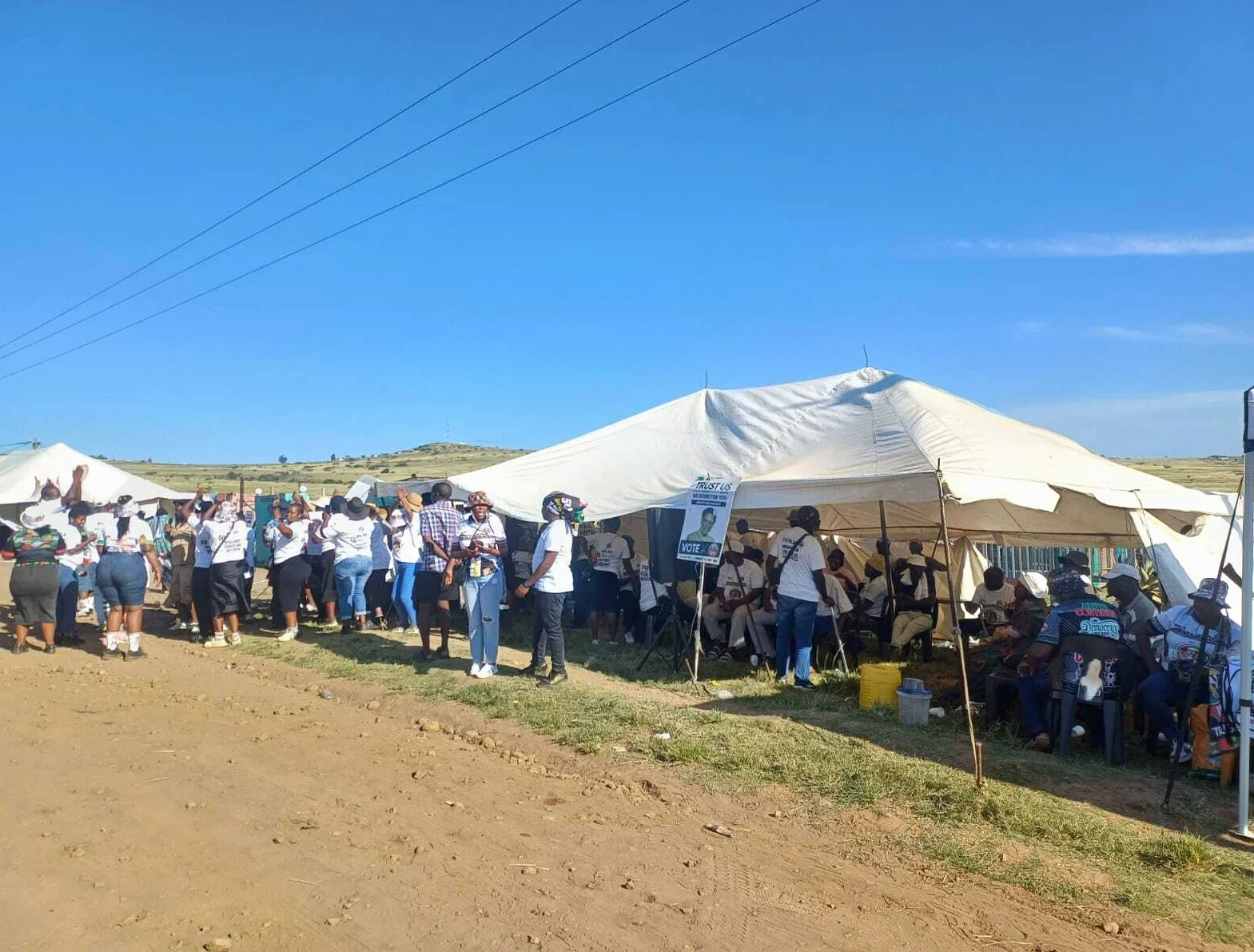
Electoral Upsets Signal Shifting Political Dynamics
The Inkatha Freedom Party (IFP) has achieved a major victory by capturing Nongoma, a key municipality in KwaZulu-Natal, according to Daily Maverick. This marks a significant challenge to the ANC’s dominance in the region, traditionally a stronghold for the IFP. Concurrently, the Patriotic Alliance (PA) has made an unexpected gain by snatching a ward in the Eastern Cape from the ANC, as reported by insidepolitic.co.za. These developments highlight growing voter disillusionment with established parties and the increasing influence of smaller, opposition groups in South African politics.
According to Daily Maverick, the IFP’s success in Nongoma is attributed to a combination of factors, including effective local governance and a strategic focus on rural development. The party’s leader, Mangosuthu Buthelezi, has emphasized the need for improved infrastructure and services in Zululand, which has resonated with local voters. Meanwhile, the PA’s capture of the Eastern Cape ward is seen as a direct challenge to the ANC’s long-standing dominance in the region, with analysts suggesting that the party’s emphasis on anti-corruption and economic reform has attracted a new base of supporters.
Insidepolitic.co.za reports that the PA’s victory in the Eastern Cape ward is particularly notable given the ANC’s historical grip on the area. The ward, located in the Nelson Mandela Bay Metropolitan Municipality, had been a key stronghold for the ANC, making the PA’s success a symbolic blow to the ruling party. The PA’s campaign focused on issues such as service delivery, job creation, and anti-corruption, which have been major concerns for voters in the region.
Regional Implications and Local Reactions
The capture of Nongoma by the IFP has sparked mixed reactions across KwaZulu-Natal. According to Daily Maverick, local residents have expressed both relief and concern. Some praise the IFP for its commitment to improving local infrastructure and addressing long-standing service delivery issues, while others remain wary of the party’s potential to deliver on its promises. In contrast, the PA’s success in the Eastern Cape has been met with cautious optimism. Insidepolitic.co.za notes that community leaders in the affected ward have welcomed the change, citing the need for fresh leadership and renewed focus on economic development.
According to Daily Maverick, the IFP’s victory in Nongoma is part of a broader trend of electoral gains for smaller parties in South Africa. The party has been gaining momentum in rural areas, where its focus on traditional governance structures and community development has resonated with voters. Meanwhile, the PA’s success in the Eastern Cape is seen as a sign of shifting allegiances among voters who are increasingly disillusioned with the ANC’s performance in key areas such as service delivery and economic growth.
Insidepolitic.co.za reports that the PA’s capture of the Eastern Cape ward has raised questions about the ANC’s ability to maintain its dominance in the region. Analysts suggest that the party’s recent struggles with corruption allegations and poor service delivery have eroded public trust, making it vulnerable to challenges from emerging political forces. The PA’s focus on transparency and accountability has positioned it as a viable alternative for voters seeking change.
Strategic Campaigns and Voter Mobilization
The IFP’s success in Nongoma can be attributed to a well-organized campaign that focused on local issues and community engagement. According to Daily Maverick, the party’s grassroots mobilization efforts, combined with a strong emphasis on traditional leadership, have helped it secure support in rural areas. The IFP’s message of stability and continuity has appealed to voters who are wary of the risks associated with political change.
In contrast, the PA’s campaign in the Eastern Cape was characterized by a strong focus on anti-corruption and economic reform. Insidepolitic.co.za reports that the party’s message resonated with voters who are frustrated with the ANC’s perceived inefficiencies and lack of accountability. The PA’s ability to mobilize support through grassroots networks and local community leaders has been a key factor in its success.
According to Daily Maverick, the IFP’s campaign in Nongoma also benefited from the absence of a strong opposition in the region. The party’s ability to consolidate its support base without facing significant competition has allowed it to make gains in key areas. Meanwhile, the PA’s success in the Eastern Cape is seen as a direct challenge to the ANC’s dominance, with the party’s focus on transparency and economic development attracting a new wave of supporters.
Broader Political Landscape and Future Implications
The IFP’s capture of Nongoma and the PA’s success in the Eastern Cape are part of a larger trend of political realignment in South Africa. According to Daily Maverick, the growing influence of smaller parties and the increasing fragmentation of the political landscape are likely to have significant implications for the country’s governance and policy-making. The ANC’s dominance is being challenged by a range of emerging forces, from traditional parties like the IFP to newer movements like the PA.
Insidepolitic.co.za notes that the electoral upsets in Nongoma and the Eastern Cape could signal a shift in the balance of power in South African politics. Analysts suggest that the ANC may need to adapt its strategies to address the concerns of voters who are increasingly looking for alternatives to the status quo. The party’s recent struggles with corruption allegations and poor service delivery have left it vulnerable to challenges from emerging political forces.
According to Daily Maverick, the IFP’s success in Nongoma and the PA’s gains in the Eastern Cape highlight the need for a more inclusive and responsive political system in South Africa. The growing influence of smaller parties is likely to force the ANC and other major parties to re-evaluate their approaches to governance and service delivery. The coming months will be critical in determining whether these shifts represent a temporary anomaly or a fundamental transformation of the political landscape.
International Perspectives and Regional Impact
While the electoral changes in South Africa are primarily domestic, they have the potential to influence regional dynamics and international perceptions of the country’s political stability. According to Daily Maverick, the IFP’s gains in KwaZulu-Natal could have implications for the region’s economic and social development, particularly in areas where the party has a strong presence. The PA’s success in the Eastern Cape may also have broader implications for the country’s political landscape, as it represents a challenge to the ANC’s long-standing dominance.
Insidepolitic.co.za reports that the international community has taken note of the recent electoral developments in South Africa. Analysts suggest that the growing influence of smaller parties may be seen as a sign of a more vibrant and competitive political environment, which could have positive implications for governance and policy-making. However, the potential for increased political fragmentation could also pose challenges for national cohesion and stability.
According to Daily Maverick, the IFP’s capture of Nongoma and the PA’s success in the Eastern Cape underscore the need for a more inclusive and representative political system in South Africa. The growing influence of smaller parties is likely to force the ANC and other major parties to re-evaluate their approaches to governance and service delivery. The coming months will be critical in determining whether these shifts represent a temporary anomaly or a fundamental transformation of the political landscape.
WHAT’S NEXT: The ANC faces increasing pressure to address its challenges with service delivery and corruption, while the IFP and PA must demonstrate their ability to govern effectively. The political landscape in South Africa is likely to remain dynamic in the coming months, with further shifts possible as smaller parties continue to gain traction.
WHY IT MATTERS: These electoral changes reflect a growing trend of voter disillusionment with established parties and the increasing influence of smaller political forces in South Africa. The implications for the country’s governance and political stability are significant, as the balance of power continues to shift in response to public demand for accountability and effective service delivery.






Comments
No comments yet
Be the first to share your thoughts