

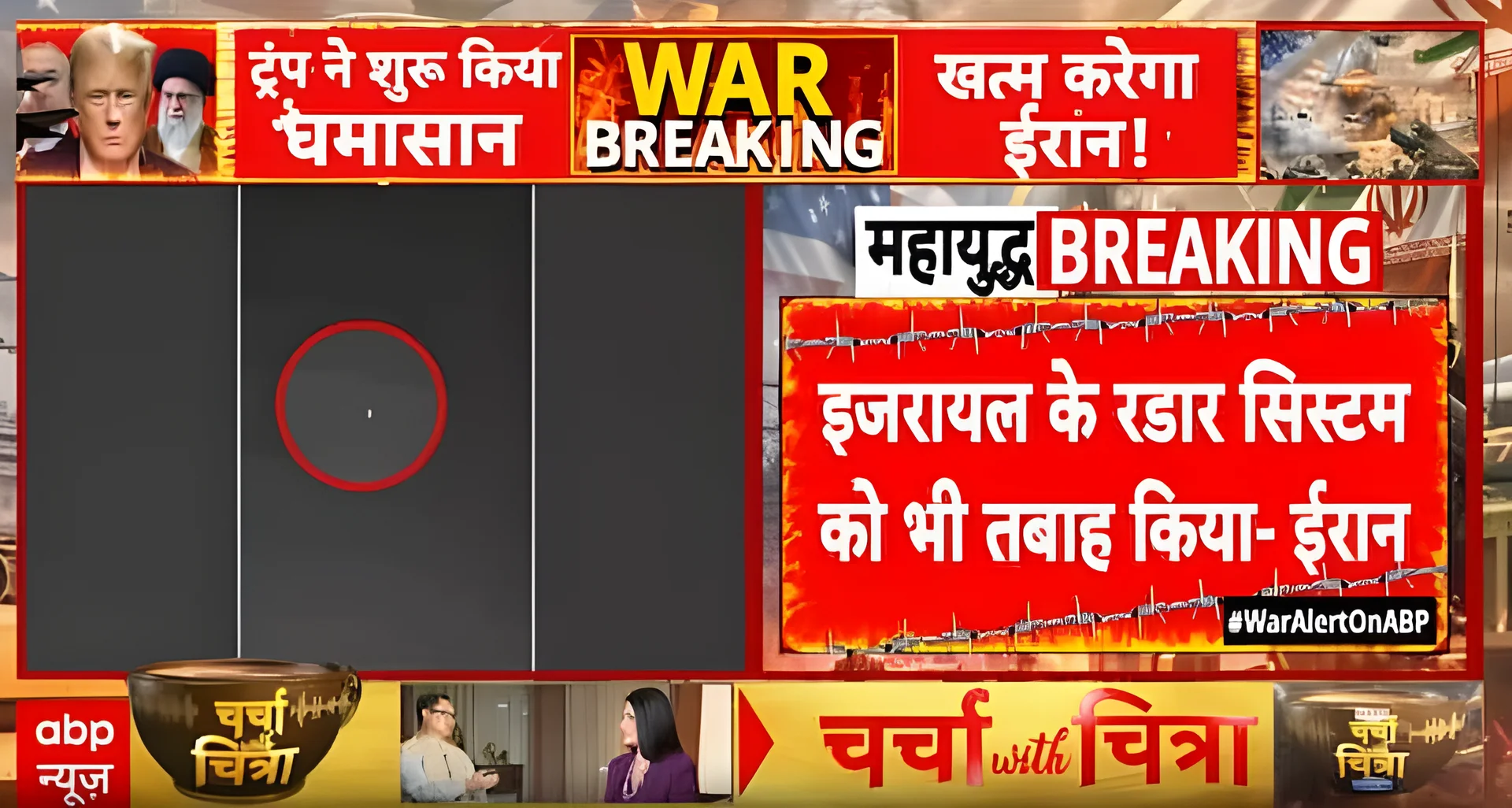
Iran launched multiple drone attacks across the Gulf region on Wednesday, targeting Saudi Arabia and Iraq, as tensions with Israel and the United States continue to escalate. According to reports, the attacks included strikes on Riyadh, where Saudi forces claimed to have intercepted four drones. A separate drone attack also targeted a U.S.-linked company in Basra, Iraq, raising concerns about the potential for broader regional conflict.
Impact on Regional Security
The attacks come amid an eighth day of intensified hostilities involving Iran, Israel, and the United States. Israel has launched major strikes on Tehran and Beirut, signaling a shift in its military strategy against its adversaries. In eastern Lebanon, Israeli air strikes reportedly killed three people, while clashes between Israeli troops and Hezbollah were reported near the Syria border. The situation remains volatile, with air raid alarms sounding twice in Bahrain amid fears of Iranian attacks.
Iran has increasingly relied on drone warfare, particularly the Shahed-136 drone, which is used in swarm attacks to overwhelm air defenses and target U.S. bases across the Gulf region. These tactics have proven effective in bypassing traditional military defenses and causing significant disruption to regional security.
Escalating Diplomatic Tensions
Meanwhile, former U.S. President Donald Trump has ruled out any possibility of negotiations with Iran, dimming hopes of a diplomatic solution to the ongoing crisis. Trump’s stance has added to the growing sense of uncertainty about the future of U.S. foreign policy in the Middle East. His comments have been seen as a signal that the administration is unlikely to pursue any form of dialogue with Iran, even as tensions continue to rise.
On a separate note, the United States has approved a $151 million weapons sale to Israel, further complicating the regional balance of power. The move has been widely interpreted as a show of support for Israel’s military operations against Iran and its allies.
Analysts warn that the situation is heading toward a dangerous tipping point. ‘The use of drones by Iran represents a new phase in the conflict,’ said Dr. Sarah Khan, a Middle East analyst at the Institute for Strategic Studies. ‘These attacks are not just symbolic; they are aimed at destabilizing the region and pressuring key players like the United States and Israel.’
What’s Next in the Conflict
The coming days are expected to be critical as both Israel and Iran continue to escalate their military operations. U.S. officials have not ruled out further military support for Israel, while Iran has shown no signs of backing down. The situation is further complicated by the presence of U.S. military bases in the Gulf, which have become prime targets for Iranian drone attacks.
Saudi Arabia, a key U.S. ally in the region, has warned of severe consequences if the attacks continue. The kingdom has already taken steps to bolster its air defenses, including the deployment of advanced radar systems and missile batteries. Meanwhile, Iraq has called for calm, urging all parties to avoid further escalation.
With no immediate signs of de-escalation, the conflict shows no signs of abating. The international community is closely watching the situation, with many fearing that the conflict could spiral into a wider regional war if tensions are not managed carefully.
As the conflict continues, the human cost is becoming increasingly apparent. In eastern Lebanon, Israeli air strikes reportedly killed three people, while air raid alarms in Bahrain have raised fears of potential civilian casualties. The situation remains fluid, with each side accusing the other of provocative actions.
The use of drones by Iran has also raised concerns about the potential for civilian casualties and the broader impact on regional stability. ‘These attacks are not only targeting military installations but also threatening the safety of civilians,’ said a senior U.S. defense official, speaking on condition of anonymity.
As the region braces for further developments, the international community is urging all parties to exercise restraint and seek a peaceful resolution to the conflict. However, with tensions at their highest point in years, the risk of further escalation remains high.





Comments
No comments yet
Be the first to share your thoughts