

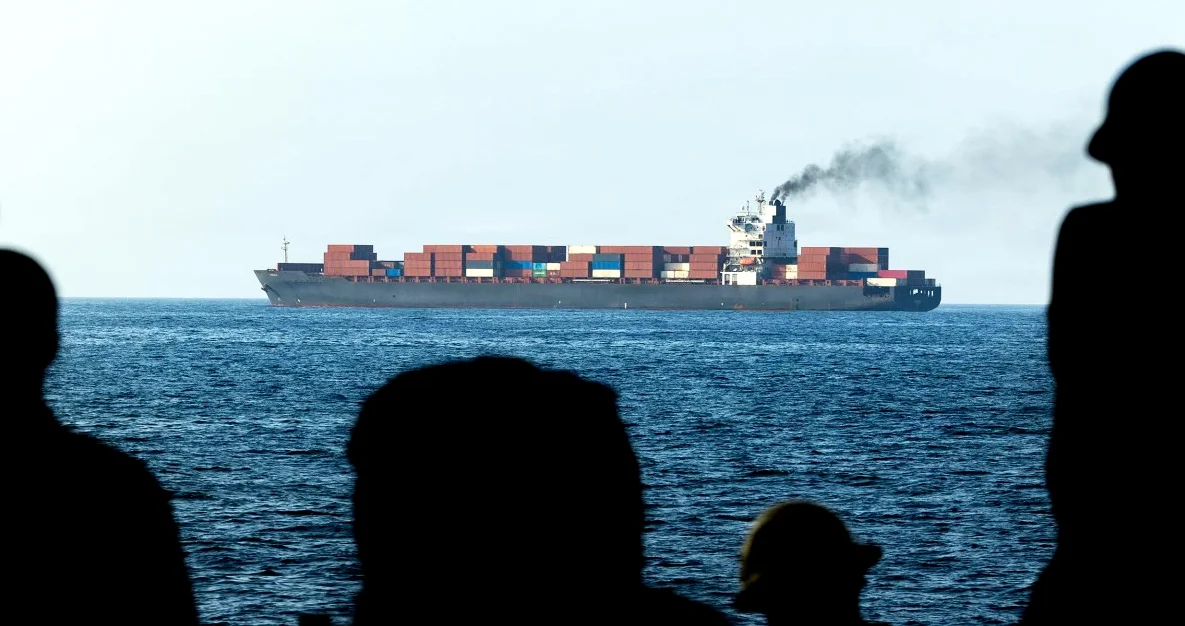
Iran has proposed reopening the Strait of Hormuz, a critical global oil passage, if the United States lifts its naval blockade and agrees to end the ongoing war, according to multiple sources. The offer. Conveyed to U.S. officials via Pakistan. Was outlined by Iranian Foreign Minister Abbas Araghchi in recent meetings with Russian President Vladimir Putin in Moscow, but As of now, President Donald Trump has not publicly commented on the proposal.
Strait of Hormuz Closure and Its Global Impact
The Strait of Hormuz is a key maritime chokepoint through which about 20% of the world’s traded oil and gas flow. Iran’s closure of the strait has had a significant impact on global markets, with oil prices rising to about $108 a barrel and gas prices reaching $4.11 per gallon in the U.S. The closure. In place since the U.S. and Israel launched a war on Iran in February 2026, has also affected global supply chains, raising prices for fertilizers, food, and other essential goods.
Iran’s proposal. Relayed via a Pakistani mediation team. Suggests reopening the strait first and postponing nuclear negotiations to a later stage, while this move appears to circumvent internal disagreements within Iran over nuclear concessions. U.S. officials have received the proposal but have yet to indicate whether they will review it — If accepted, it could weaken the U.S.’s use in future negotiations over Iran’s uranium enrichment program.
U.S. Response and Market Reactions
President Trump has previously stated that one of the main reasons for the war was to prevent Iran from developing nuclear weapons. Secretary of State Marco Rubio has said the U.S. would reject the offer unless it aligns with its war-ending conditions. On Friday, gold prices surged past $4,850 as news of the potential strait reopening de-escalated tensions and weakened the U.S. dollar. Energy prices dropped, with U.S. crude oil benchmark WTI falling more than 9%.
Despite this, a senior Iranian official told Reuters that significant differences remain between Iran and the U.S., including nuclear issues. Keeping the Strait of Hormuz open is reportedly contingent on the terms of a ceasefire. Meanwhile, traders are factoring in a 14 basis point easing by the Federal Reserve by year-end, according to LSEG Workspace data.
Internal U.S. and Iranian Dynamics
Trump is set to meet with his national security team on Monday to discuss the situation. Internally, Iran’s leadership has not yet reached a consensus on how to respond to U.S. demands. Araghchi has stated that Iran has not agreed on a response strategy with mediators like Egypt, Turkey, and Qatar. In a recent statement, Trump expressed impatience over the strait issue, even using strong language to warn Iran to open it or face consequences.
Trump has previously claimed victory in the conflict, stating that “the administration change in Iran has already occurred” and that “the one government was decimated, destroyed.” However, the issue of the Strait of Hormuz remains a sticking point in ongoing ceasefire negotiations. The U.S. and its allies are under pressure from Gulf Arab states, which rely on the strait for oil and gas exports, to resolve the standoff before key midterm elections.


1 Comment