

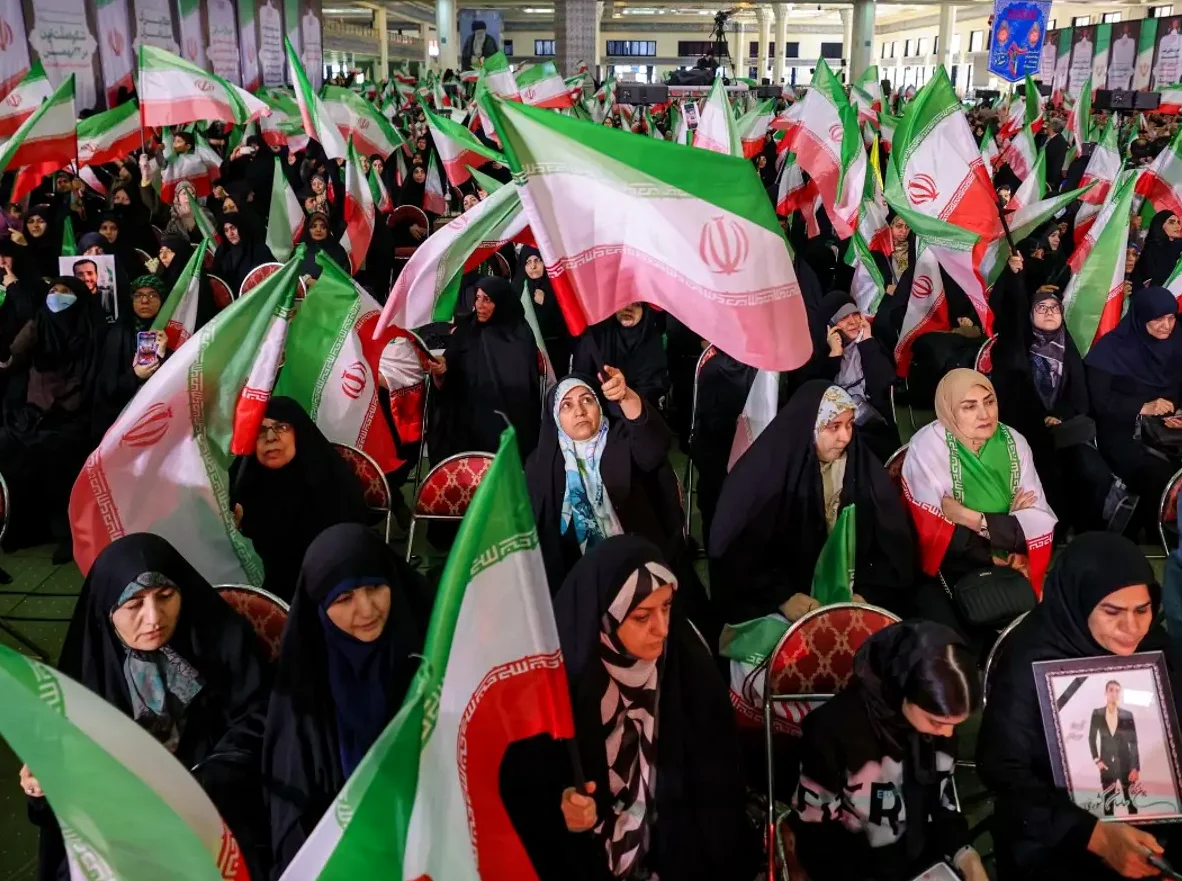
Thousands of mobile phone users in Iran reportedly received an unusual message on Monday (February 23) stating, ‘The US President is a man of action. Wait and see.’ The alert, sent from an unidentified number, was first reported by Iran International, citing Iranian state media. The message came amid rising tensions between U.S. President Donald Trump and Iranian leadership, with speculation growing about potential military action.
Escalating Regional Tensions
The alert surfaced as Trump has intensified his rhetoric against Iran and reinforced U.S. military assets across the Middle East. In a recent interview with CBS, Iranian Foreign Minister Abbas Araghchi expressed cautious optimism about the upcoming round of indirect nuclear negotiations in Geneva, scheduled for Thursday. He stated that there is a ‘good chance’ of reaching a diplomatic resolution but emphasized that Iran would not negotiate under military pressure.
Trump has previously suggested he is considering a ‘limited military strike’ against Iran if negotiations fail. His comments come as regional tensions continue to rise. The U.S. embassy in Beirut, Lebanon, evacuated dozens of personnel as a precaution, according to Lebanese media reports. This follows a series of military posturing moves by the U.S. in the region.
Nuclear Talks and Diplomatic Stalemate
Iran has reportedly prepared a draft nuclear proposal to present to mediators in the coming days. While Iran maintains its nuclear program is strictly civilian, Western governments suspect it is pursuing nuclear weapons capabilities. The nuclear dispute has been a key point of contention in negotiations, with Iran insisting that discussions should focus solely on its nuclear activities.
Meanwhile, the United States seeks to expand the talks to include Iran’s missile development and its backing of regional armed groups. Two prior rounds of indirect talks were held in Switzerland under Omani mediation, with another meeting anticipated this week. Iran and Oman have confirmed the schedule, but U.S. officials have yet to formally confirm their participation.
U.S. envoy Steve Witkoff questioned in a weekend interview with Fox News why Iran had not yielded despite the American military buildup. The European Union has urged both sides to pursue diplomacy, with EU foreign policy chief Kaja Kallas emphasizing the need to avoid another conflict in the region. She noted that current circumstances may provide an opportunity for a negotiated solution.
Domestic Unrest and Political Pressure
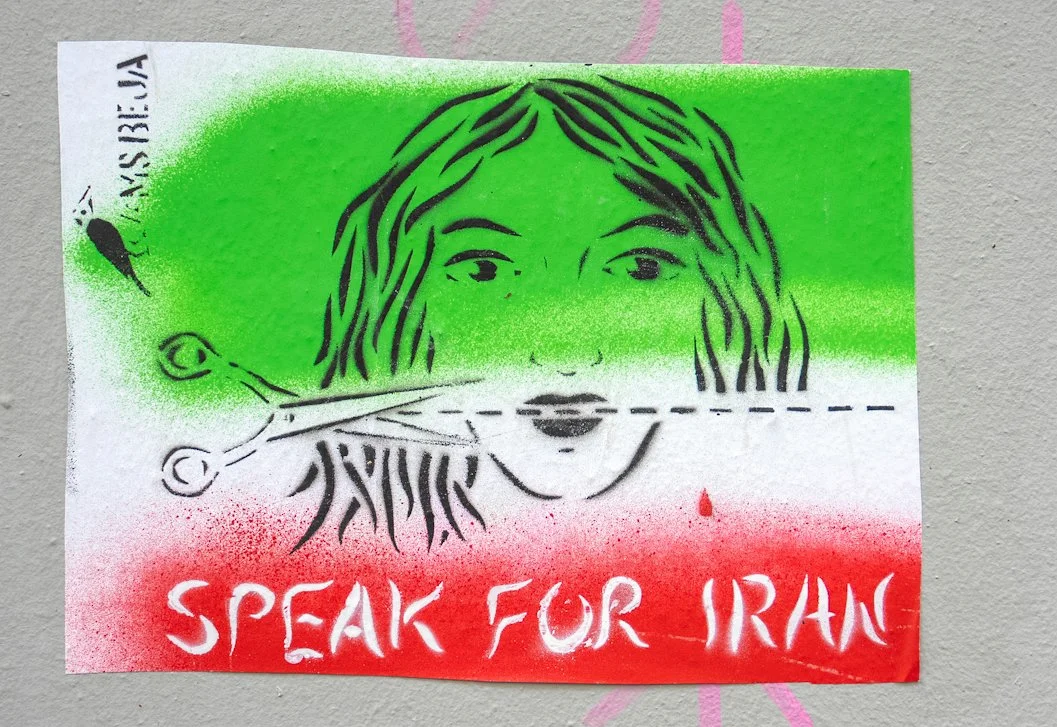
Inside Iran, unrest has resurfaced as university students launched fresh demonstrations against the Islamic Republic at the start of the new academic term. Protesters revived chants heard during nationwide demonstrations earlier this year, which were suppressed in a violent crackdown. This internal unrest adds to the pressure on Iran’s leadership, which is already dealing with regional and international challenges.
Iran’s leadership is contending with mounting internal and external pressures, including recent mass protests, last year’s brief conflict with Israel, and the weakening of its regional allies. These factors have contributed to a climate of uncertainty and heightened tensions in the region.
Amid fears of escalation, several countries have advised their nationals to depart Iran. India joined Sweden, Serbia, Poland, and Australia in issuing travel advisories urging citizens to leave. The advisories reflect growing concerns about the potential for military action or further instability in the region.
Trump previously suggested Iran had no more than 15 days to reach an agreement, implying military action could follow if talks collapse. However, the upcoming negotiations in Geneva offer a potential pathway to de-escalation, though both sides remain cautious about the outcome.


Comments
No comments yet
Be the first to share your thoughts