

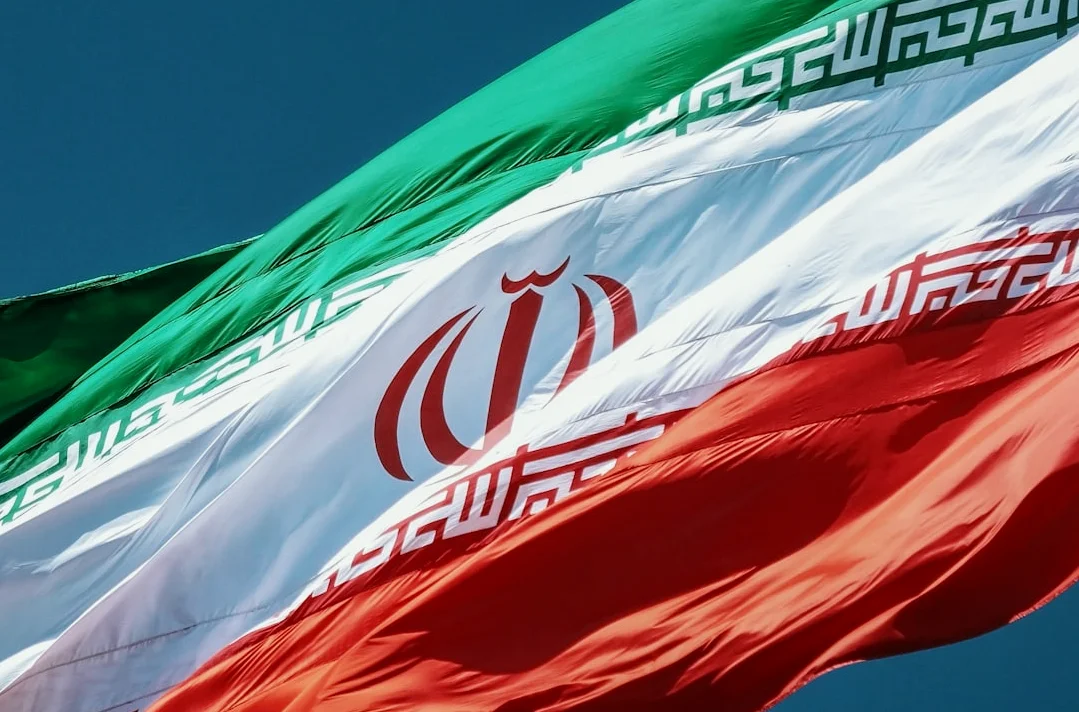
U.S. President Donald Trump scrapped plans to send envoys Steve Witkoff and Jared Kushner to Islamabad for talks with Iran on Saturday, citing ‘tremendous infighting and confusion’ within Tehran’s leadership, according to CNBC. Though uncertainty looms large, Iran has offered a new proposal to the U.S. for reopening the Strait of Hormuz and ending the war while suggesting that nuclear talks be deferred, Axios reported Monday, citing a U.S. official and two sources with knowledge of the matter.
Talks and Negotiations
Signaling that attempts to secure a deal were still ongoing, Iran’s foreign minister, Abbas Araghchi, made a brief return to Islamabad on Sunday as Pakistan’s leaders push to revive talks between Tehran and Washington — though Trump said discussions could instead take place over the phone. Araghchi has reportedly departed Islamabad for Moscow, according to CNBC.
The sources said mediators are working to convene U.S.-Iran working-level talks to resolve the most contentious issues. The core issues include reopening the Strait of Hormuz and Iranian uranium enrichment. If the working-level talks succeed, they could pave the way for a second high-level meeting between the United States and Iran, according to the Korean source.
Another source familiar with the discussions said neither the United States nor Iran wants a resumption of fighting. However, a U.S. official familiar with the matter told Bloomberg that an extension of the truce is still not assured and that the United States has not yet agreed to it. The two-week truce agreed by the United States and Iran expires on the 21st. The two sides held high-level talks in Islamabad, Pakistan, but the negotiations ended without agreement.
Market Reactions
Amid lingering uncertainty over the critical energy waterway and the Iran war, oil prices inched higher Monday, reinforcing a persistent risk premium in energy markets. International benchmark Brent oil futures for June rose around 1% to $106.55 per barrel while U.S. crude oil also for June added 0.88% to $95.23 per barrel.
Goldman Sachs now expects oil prices to stay higher for longer, raising its Brent forecast to $90 a barrel by late 2026 from $80 previously, as disruptions in the Persian Gulf prove more persistent than earlier assumed. The bank wrote in a note published Monday that delayed normalization in Gulf exports, now expected only by end-June, alongside a slower production recovery is tightening supply sharply, with global inventories estimated to be drawing at a record pace of 11 million barrels per day to 12 million barrels per day in April. The bank’s view is echoed by other market watchers.
Trump’s Response and Next Steps
President Donald Trump, the outlet added, has not given a response to the proposal, which would remove the U.S.’s most important use to guarantee the removal of Tehran’s nuclear stockpile and guarantees that it won’t continue enriching uranium or attempt to produce a weapon in the future. The president is expected to hold a meeting in the Situation Room with top national security and foreign policy officials on Monday to assess the current situation and future steps.
Trump appeared to hint in an interview with Fox News that he intends to continue with the blockade of Iranian ports in the Strait of Hormuz to choke Tehran’s finances and inventories. ‘They say they only have about three days before that happens,’ he said. Negotiations continued to be deadlocked during the weekend. Trump cancelled a trip from special envoys Steve Witkoff and Jared Kushner to Pakistan on Saturday after Iranian Foreign Minister Abbas Araghchi left the country without meeting them.
‘I see no point of sending them on an 18-hour flight in the current situation. It’s too long. We can do it just as well by telephone. The Iranians can call us if they want. We are not gonna travel just to sit there,’ Trump said.






Comments
No comments yet
Be the first to share your thoughts