

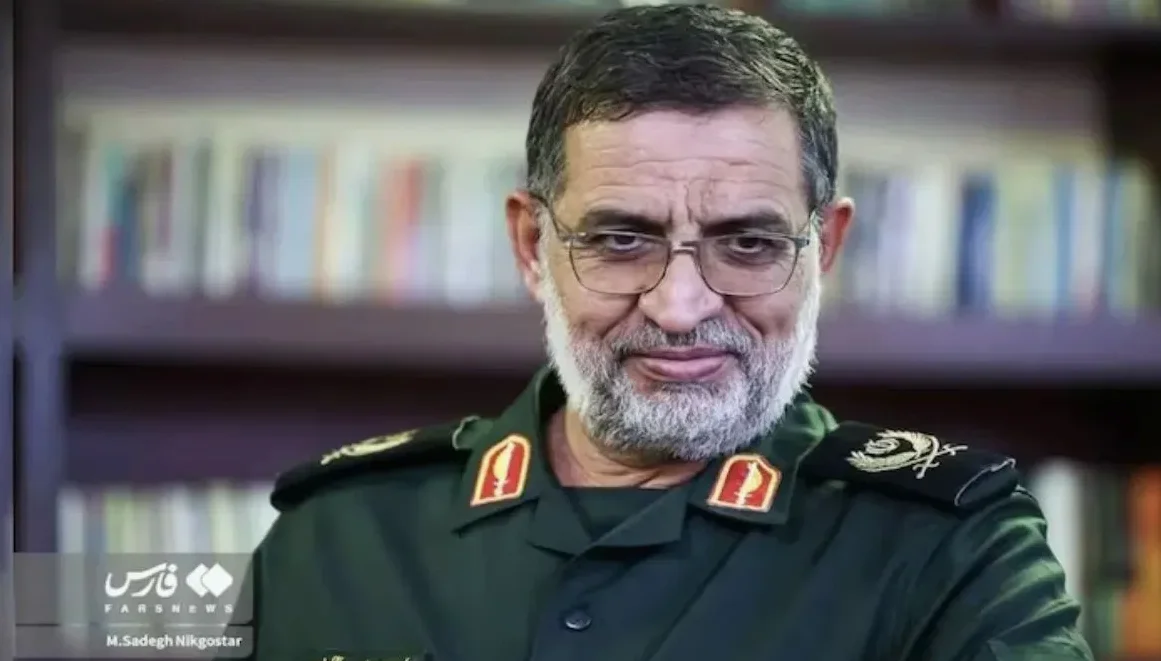
Iran’s military spokesperson, Ali Mohammad Naini, was killed in a US-Israeli airstrike during escalating tensions in the Middle East, according to a statement by Iran’s Islamic Major Guard Corps (IRGC). The IRGC described the attack as a ‘criminal, cowardly terrorist attack by the American-Zionist side at dawn.’ Naini, who held the rank of Second Brigadier General, had served as the IRGC’s spokesperson since 2024, succeeding Brigadier General Ramadan Sharif and being appointed by Commander-in-Chief Major General Hossein Salami.
Background on Naini’s Role and Career
Ali Mohammad Naini, born in 1957 in Kashan, had over 40 years of military experience, including service during the Iran-Iraq war. Throughout his career, he held several senior positions, such as the IRGC’s cultural deputy chief and the Basij’s cultural and social deputy chief. Naini was widely regarded as a specialist in psychological operations, soft power, and cognitive warfare. His expertise in ‘soft war’ strategies was highlighted in an IRGC statement that said his ‘significant ideas and effective models’ would continue to guide the revolution’s guards against ‘arrogant powers.’
His death comes amid a series of escalating tensions between the United States, Israel, and Iran. In October 2024, the United Kingdom sanctioned Naini under its Iran sanctions regime, citing his role in promoting IRGC-linked threats against Israel. The sanctions were part of broader efforts by Western nations to curb Iran’s influence in the region and limit its military capabilities.
Impact on Iran’s Military Communications
Naini was regarded as one of Iran’s most prominent military figures, consistently communicating the country’s stance to the world. His death could have significant implications for Iran’s ability to project its military and political messages globally. Prior to his death, Naini had warned of a possible ‘surprise’ in a defiant challenge to US naval forces in the Gulf, according to reports from the Fars news agency.
He asserted that Iran has continued to produce missiles despite the ongoing war with the joint forces of Israel and the US. He claimed that Iran’s missile industry has reached its peak and further warned ‘enemy’ nations of a possible surprise attack. ‘Our missile industry deserves a perfect score…and there is no concern in this regard, because even under wartime conditions we continue missile production,’ he was quoted as saying. ‘The missile industry has reached its highest levels. There are surprises coming for the enemy, and as the battles progress, they will become more complex and intense,’ he added.
The loss of Naini may create a leadership vacuum within the IRGC, potentially affecting the organization’s communication strategy and public messaging. Analysts suggest that the IRGC will need to appoint a new spokesperson to maintain its narrative in the ongoing conflict with the US and Israel.
Significance of the Airstrike and Regional Implications
The airstrike that killed Naini highlights the increasing volatility in the Middle East, with the US, Israel, and Iran locked in a dangerous cycle of escalation. The attack is likely to further inflame tensions, potentially leading to more military confrontations in the region. Analysts warn that the situation could spiral into a wider conflict involving other regional powers, including Saudi Arabia and Turkey.
According to a report by the Institute for the Study of War, the death of a high-ranking Iranian military figure could lead to retaliatory actions by Iran, including increased missile launches or attacks on US and Israeli military assets in the region. The report states that the IRGC has been preparing for such scenarios, and Naini’s death could serve as a catalyst for more aggressive actions.
The incident also highlights the growing role of the US in the Gulf, with American military forces increasingly involved in counterterrorism operations and supporting regional allies. The US has been conducting airstrikes in the region in response to Iranian-backed groups, such as Hezbollah and Hamas, which have been involved in attacks on Israeli targets.
According to a senior US defense official, the US has been monitoring the situation closely and is prepared to take necessary actions to protect its interests and those of its allies. ‘We are committed to ensuring regional stability and preventing further escalation,’ the official said. ‘Our focus is on de-escalation and preventing the conflict from spreading.’
The death of Naini is likely to have a significant impact on Iran’s domestic and international relations. Domestically, the IRGC may use his death to rally support for its military and political agenda, further entrenching its influence in the country. Internationally, the incident could lead to increased diplomatic efforts by Iran to secure support from its allies, including Russia and China.
The situation remains fluid, with no immediate indication of a ceasefire or de-escalation. The next few weeks will be critical in determining the trajectory of the conflict. Analysts predict that the US and Israel may continue to conduct airstrikes in response to Iranian threats, while Iran may increase its missile production and prepare for potential retaliatory actions.
The death of Ali Mohammad Naini serves as a stark reminder of the dangers posed by the ongoing conflict in the Middle East. As the region continues to face uncertainty, the international community will be watching closely to see how the situation unfolds.



Comments
No comments yet
Be the first to share your thoughts