

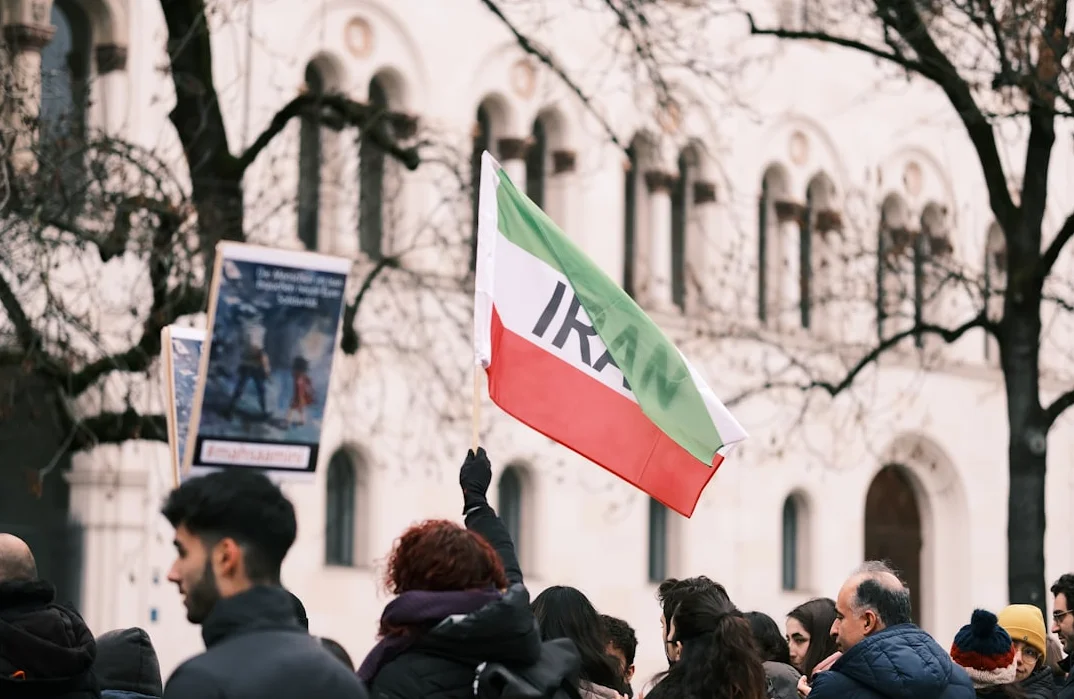
American and Iranian officials are in a delicate race as the U.S. administration pushes for a swift resolution to the war in the Middle East. U.S. officials have said Iran is reviewing a 14-point memorandum of understanding (MOU) that could signal an end to the conflict that began on Feb. 28. Under the proposed framework. Iran would lift restrictions on the Strait of Hormuz, while the U.S. would lift its naval blockade on Iranian ports — the deal also includes a moratorium on Iranian nuclear enrichment, the lifting of U.S. sanctions, and the release of billions in frozen Iranian assets. A final agreement has not yet been reached, and terms could still shift during ongoing negotiations.
Stalemate in the Strait of Hormuz
Control over the Strait of Hormuz has been a flashpoint in the conflict; Iran has restricted access since early March, causing global shipping disruptions and energy supply concerns. In response. The U.S. imposed a naval blockade on April 13, blocking a vital economic lifeline for Iran — the U.S. has now proposed “Project Freedom,” a humanitarian initiative to assist neutral ships stranded in the strait. U.S. President Donald Trump described the effort as a response to global demands and a way to support ships running low on essential supplies; However, Iran has warned against U.S. involvement in the strait, and Trump has threatened force if the initiative faces resistance.
Delays and Diplomatic Hesitation
Iran’s slow response has raised questions about its willingness to accept the U.S. terms. According to Iran’s Foreign Ministry spokesperson Esmaeil Baghaei, the country is still reviewing the proposal and will convey its position to Pakistan, the mediating nation in the talks. Meanwhile, U.S. officials have expressed optimism, with some sources citing positive progress, though the U.S. has also indicated that the war could end within a 30-day period if a deal is reached. However, Iran has shown little flexibility on its nuclear program in the past, and there is no indication it will accept a moratorium on uranium enrichment under these terms.
Market Reactions and Geopolitical Tensions
Gold prices remain steady near $4,685 as traders await key U.S. employment data and developments in the U.S.-Iran negotiations; a potential peace deal has led to a drop in oil prices and eased inflation concerns, according to market analysts. Meanwhile, the EUR/USD pair has retreated slightly from intraday highs as tensions over the Strait of Hormuz and the U.S. military’s involvement in “Project Freedom” have kept investors cautious. The U.S. Dollar Index (DXY) has also seen a modest rebound, reflecting market uncertainty over the region’s stability.
The outcome of these negotiations will have far-reaching implications for global energy markets and international diplomacy. While the U.S. and Iran appear to be closer than ever to ending the war, the delay in Iran’s response continues to fuel speculation about the true intentions of both sides.





Comments
No comments yet
Be the first to share your thoughts