

 Al Jazeera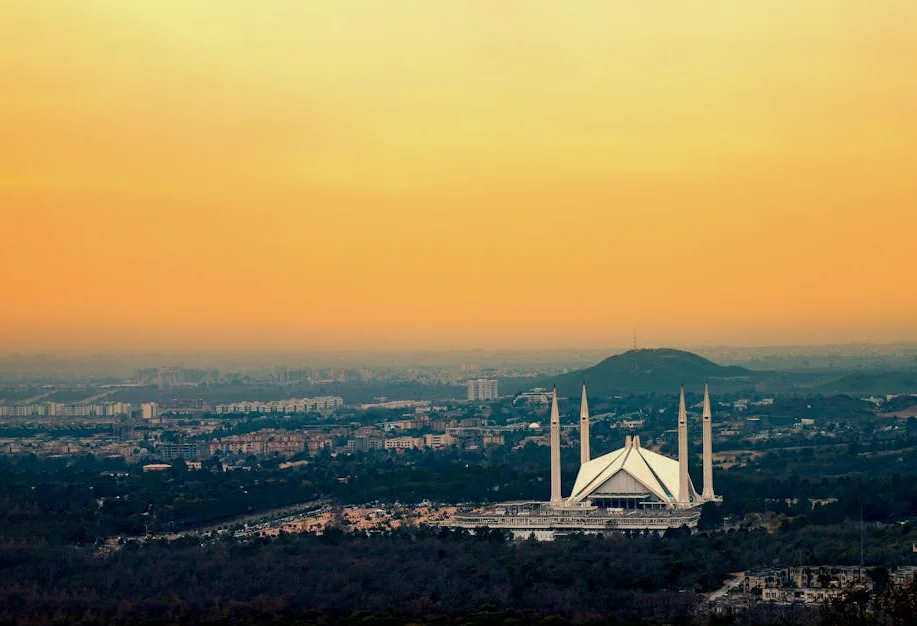
Diplomatic Visits in Islamabad
Iranian officials denied they plan on holding talks with U.S. delegates, but the visits have sparked optimism that the two sides could resolve tensions diplomatically — the Strait of Hormuz has been a point of contention for months, with both nations accusing each other of aggressive actions.
Foreign Minister Hossein Amir-Abdollahian arrived in Islamabad on Wednesday, with U.S. envoys expected to follow in the coming days — the timing of these visits has led to speculation about a coordinated diplomatic effort to ease tensions in the region.
Amir-Abdollahian held meetings with Pakistani officials, including Foreign Minister Bilawal Bhutto Zardari. While no joint statement was released, both sides emphasized the importance of regional stability and mutual cooperation.
Strait of Hormuz Tensions
The Strait of Hormuz, a key global energy corridor, has seen increased military activity from both Iran and the U.S. in recent months. Iran has accused the U.S. of maintaining a military presence in the region, which it views as a threat to its national security. The U.S. has countered by citing its responsibility to ensure free navigation and protect its allies.
According to the U.S. State Department, the envoys’ visit is part of broader efforts to stabilize the region and prevent further escalation. A spokesperson said, “We remain committed to de-escalation and open dialogue with all parties in the region.”
Iranian officials, however, remain cautious. Amir-Abdollahian stated during a press conference in Islamabad, “We are in Islamabad to strengthen regional ties and promote peace. Discussions with the U.S. are not on the agenda at this time.” Despite this, analysts suggest that the proximity of the two delegations could lead to indirect talks.
Regional Stability and Economic Interests
Both Iran and the U.S. have significant economic and strategic interests in the region. The Strait of Hormuz is a critical shipping route for global oil supplies, with approximately 20% of the world’s oil passing through it daily. Any disruption in this area could have far-reaching consequences for global energy markets.
Pakistan, as a key regional player, has positioned itself as a mediator in the talks. Foreign Minister Bhutto Zardari emphasized Pakistan’s role in promoting dialogue, saying, “We are committed to supporting efforts that enhance regional stability and cooperation.”
Analysts suggest that the success of these diplomatic efforts will depend on the willingness of both Iran and the U.S. to compromise. While Iran has shown openness to dialogue, it has also made it clear that it will not accept any imposed conditions. The U.S., on the other hand, has indicated that it is open to negotiations but remains firm on issues related to regional security and non-proliferation.





Comments
No comments yet
Be the first to share your thoughts