

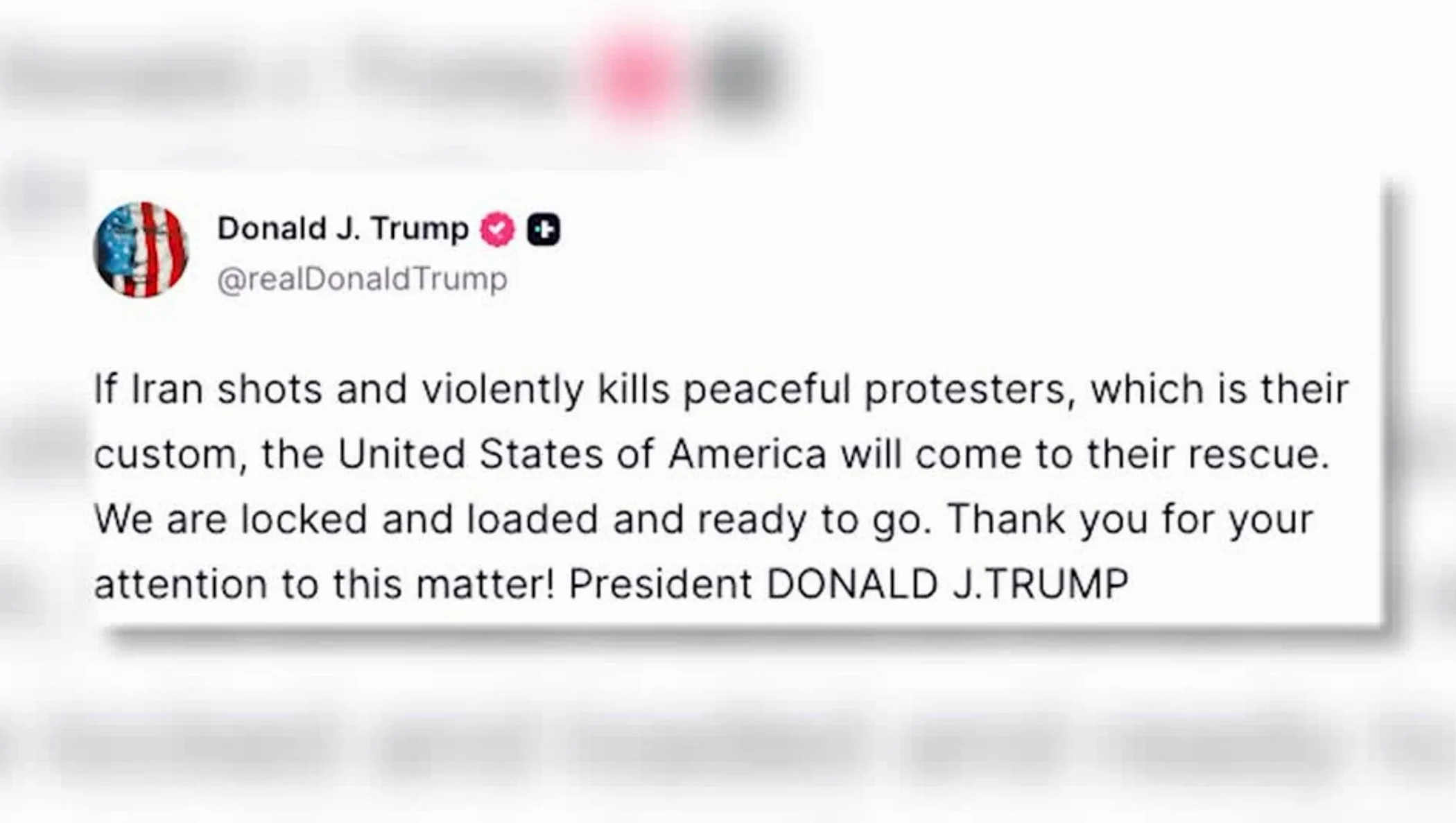
U.S. President Donald Trump canceled his envoys’ trip to Pakistan for Iran ceasefire negotiations, according to The Guardian — the trip had been scheduled to continue discussions between the U.S. and Iran, which have been indirect since last year. Iran’s foreign ministry confirmed that any negotiations would be conducted through Pakistani mediators.
Iran’s Stance and Historical Context
Araghchi, Iran’s foreign minister, had previously met with Pakistan’s army chief, field marshal Asim Munir, and prime minister Shehbaz Sharif. He emphasized Iran’s red lines for negotiations and stated that Tehran would engage “until a result is achieved.” According to The Guardian, Iran has expressed concerns about trust in U.S. intentions after past negotiations over Tehran’s nuclear program ended with attacks by the U.S. and Israel.
The first round of talks in Pakistan, led by U.S. official JD Vance, lasted more than 20 hours and were face-to-face — these were the highest-level direct talks between the U.S. and Iran since the Islamic Revolution in 1979, as reported by The Guardian. However, in Geneva on 27 February, Araghchi and Trump’s envoys held hours of indirect talks but failed to reach an agreement; the next day, Israel and the U.S. initiated a war.
Regional and Economic Impact
The economic fallout from the conflict has grown, with global shipments of oil, liquefied natural gas, fertilizer, and other supplies disrupted due to the near-closure of the Strait of Hormuz. Pakistan had been in near-lockdown ahead of the expected talks, as reported by The Guardian. Islamabad has been trying to facilitate talks between the U.S. and Iran since Trump announced an indefinite extension of the ceasefire, honoring Pakistan’s request for more diplomatic outreach.
Trump’s administration has not provided a detailed explanation for the cancellation, but it coincided with broader diplomatic shifts and regional tensions. The White House had said on Friday that U.S. president was sending Witkoff and Kushner to meet with Araghchi, and However, the White House later canceled the trip.
Market Reactions and Broader Implications
Meanwhile, in unrelated financial news, cryptocurrency markets saw a surge following Trump’s remarks on the potential resolution of the Iran conflict, and Ethereum rose by 2.6%, reaching $2,029, while Solana and BNB both gained 2.9% and 2.6%, respectively, according to CoinDesk. XRP climbed 1.7% and Bitcoin saw significant inflows, with CoinShares reporting $61.9 million in crypto fund inflows for the week ending Friday. This occurred amid a broader economic context where the S&P lost $1 trillion in a single session, and the economy cut 92,000 jobs over the week, according to the same source.
Analysts suggested that the market had already priced in negative factors, and the movements reflected reactions to headline news rather than broader macroeconomic trends, though Nansen analysts stated that cryptocurrencies had “already absorbed the negative factors and reflected them in prices,” indicating a strong news-driven market.





Comments
No comments yet
Be the first to share your thoughts