

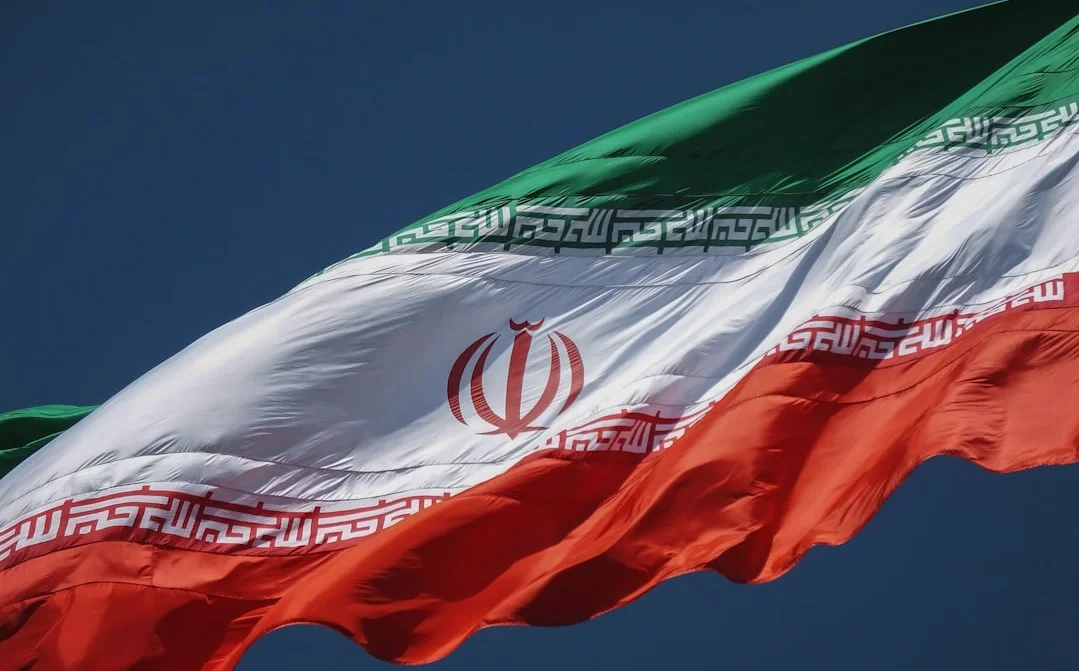
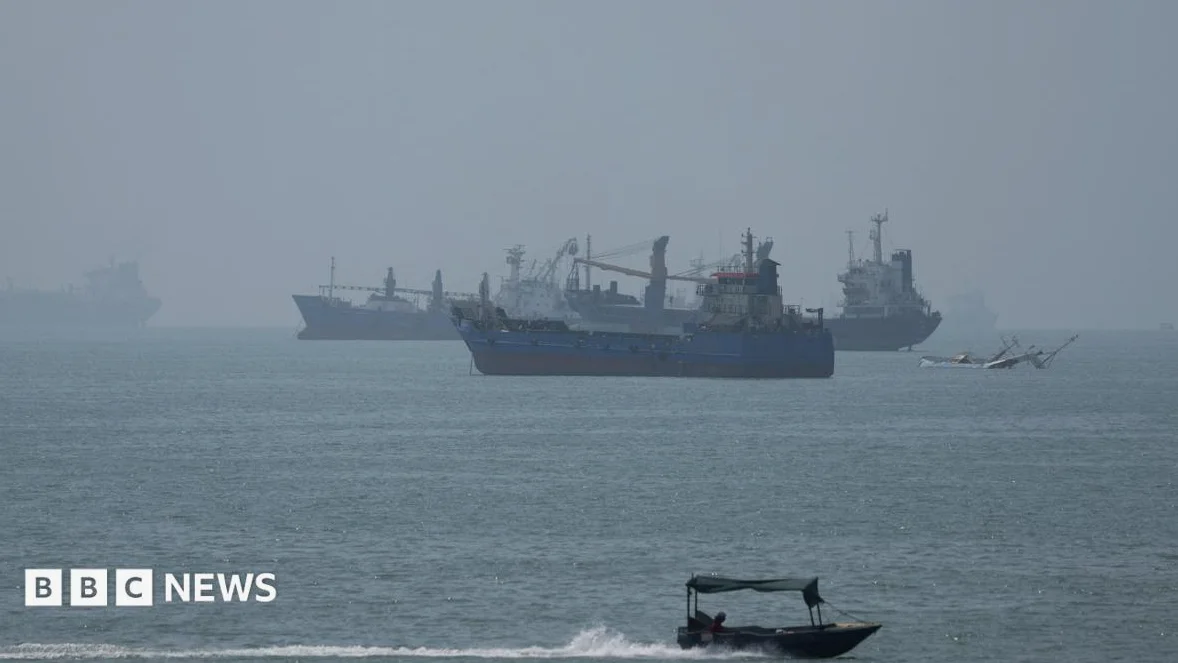
As the conflict between the United States and Iran escalates, the war shows signs of becoming a ‘perpetual war,’ with no clear end in sight. Kelly Grieco, an expert from the Stimson Center, noted that without a political solution, the pattern of missile strikes, drone attacks, and air raids may continue indefinitely. U.S. warplanes have intensified strikes across Iran, while Iranian forces have attacked U.S. and allied positions in the region, including disrupting maritime traffic in the Strait of Hormuz.
Human rights concerns rise amid military escalation
Amid the military conflict, the United Nations has raised alarm over a surge in executions in Iran. UN human rights commissioner Volker Türk reported that at least 56 people have been executed since March 19, 2025, on charges related to national security, including 27 individuals linked to the winter protests. Türk warned that the pace of executions is accelerating and is being used to instill fear; he urged Iran to halt all executions and work toward abolishing the death penalty.
Human rights experts also highlighted increased persecution of ethnic minorities, particularly the Baluchi and Kurdish communities; At least 24 Baluchis and 22 Kurds have been executed this year, with many more facing potential death sentences. Arbitrary arrests and politically motivated trials are on the rise, according to UN reports.
Air superiority and military operations redefine regional conflict
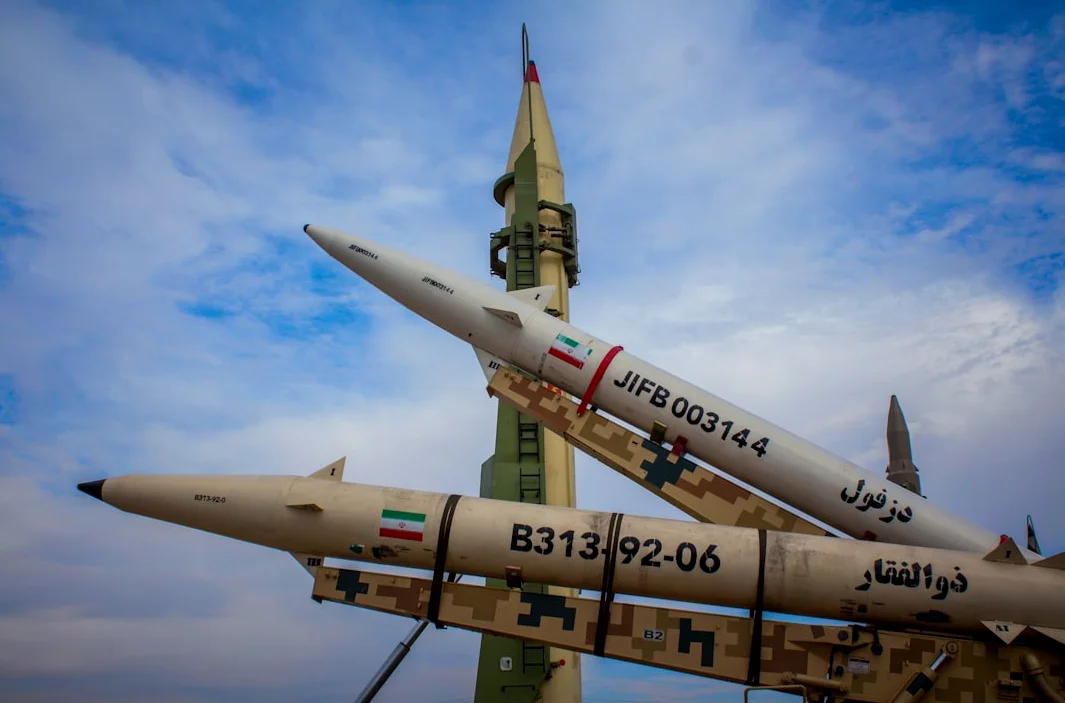
In a military analysis, MiGFlug detailed how Israel has established air superiority over Iran through a series of precise and systematic strikes. In April 2024, Israel destroyed an S-300 radar system protecting the Natanz nuclear site, followed by a major strike on October 26, 2024, that eliminated nearly all of Iran’s S-300 systems. By June 2025, Israel had full aerial dominance during the Twelve-Day War, an operational feat described as having few historical parallels.
Meanwhile, the U.S. military has had to scale back civilian operations, while the Blue Angels, the Navy’s elite demonstration squadron, have been grounded due to heightened security protocols linked to the war in Iran. At least two airshows were canceled for the 2026 season, with more expected; the squadron’s support aircraft, Fat Albert, is undergoing major structural repairs in the UK and is not expected to return soon.
Economic costs of war ripple across Europe
The economic impact of the war is also being felt in Europe. An analysis by the Ifo Institute in Munich estimated that the average German household could face an additional 403 euros in annual expenses due to rising prices linked to the conflict. This would amount to 16.8 billion euros in increased consumer spending across the country — Low-income households are disproportionately affected, losing an average of 2.87% of their available income. Retirees are also hit hard, with couples losing 1.53% of their purchasing power and single retirees 1.45%.
With no clear resolution in sight, the war in Iran continues to evolve into a complex and complex crisis, impacting not just the region but global security and economies far beyond its borders.




Comments
No comments yet
Be the first to share your thoughts