


Iran is reportedly concerned that U.S. talks could be a ploy to eliminate one of its key political figures, as suggested by a report from the New York Post and corroborated by The Mirror. The tension has risen amid conflicting statements from both nations, with Iran denying any discussions with the U.S., according to Al Jazeera, while the U.S. claims the talks have been productive, as reported by the same outlet.
Iran’s Concerns Over U.S. Negotiations
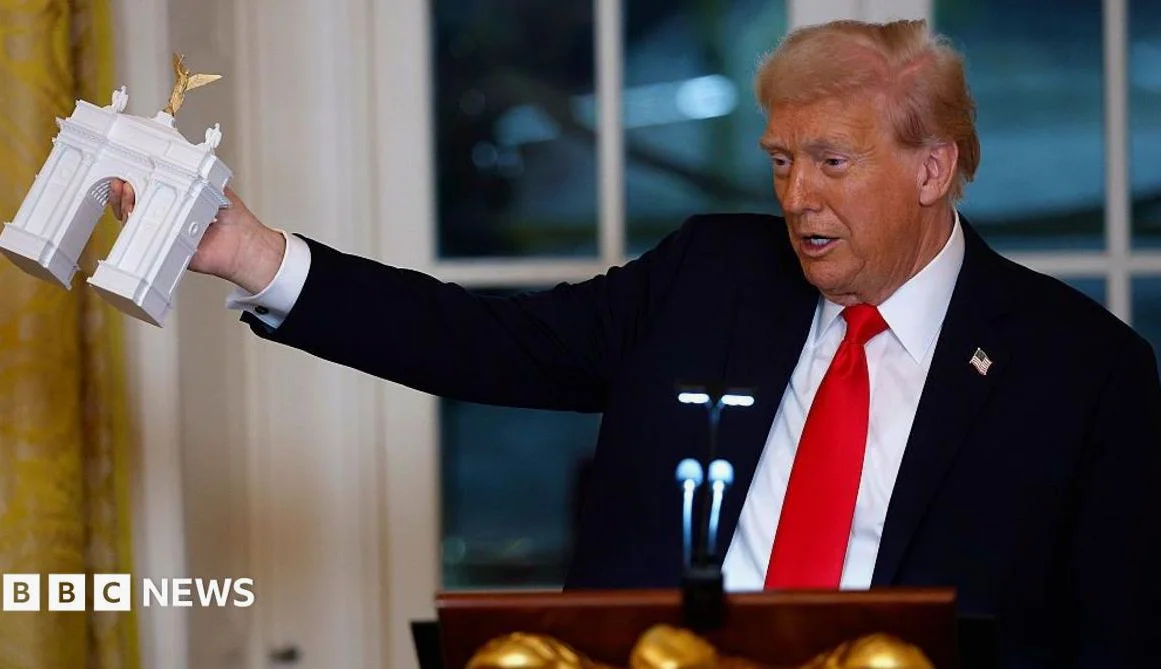
The New York Post reported that Iran is worried that U.S. negotiations, particularly those involving former President Donald Trump, could be a trap aimed at assassinating one of the regime’s last surviving political leaders. This concern highlights Iran’s deep distrust of U.S. intentions, which has been further fueled by the ongoing conflict in the region.
The Mirror reported that Iran has stated it has one million soldiers ready to fight if the U.S. escalates the situation, adding to the sense of urgency and military preparedness within the country. This figure reveals Iran’s readiness to respond to any perceived threat, which has been a key point in its recent military statements.
According to the New York Post. The possibility of an assassination has raised fears within Iran’s leadership, with officials reportedly warning that any U.S. overtures could be a prelude to a broader operation targeting high-ranking officials. These fears are not unfounded. Given the history of U.S. military actions in the region.
Denial of U.S.-Iran Talks
Al Jazeera reported that Iran has denied any talks with the U.S., despite claims by former President Trump that the discussions were productive. This denial comes at a time when the U.S. is reportedly considering sending 10,000 more troops to the region, according to The Mirror, which reported that the U.S. is preparing for increased military presence.
Iran’s foreign ministry has issued a statement rejecting the notion of any negotiations with the U.S., emphasizing that such talks would be an admission of weakness. This stance aligns with Iran’s broader strategy of maintaining a strong military posture to deter U.S. aggression, as reported by The Mirror.
According to Al Jazeera. Iran has also warned that any military escalation could lead to a wider regional conflict, with neighboring countries like Israel and Saudi Arabia likely to be drawn into the fray. This warning highlights the potential for a broader war if the current tensions continue to escalate.
Regional Tensions and Military Readiness
The Mirror reported that Iran has declared it has one million soldiers ready to fight if the U.S. sends more troops to the region. This figure is a significant indicator of Iran’s military readiness and its determination to defend its territory against any potential U.S. incursion.
The U.S. is reportedly considering sending 10,000 more troops to the Middle East, according to The Mirror, which suggests that the U.S. is preparing for a potential escalation in the conflict. This move has been met with strong opposition from Iran, which views it as a direct threat to its national security.
Iran’s military leadership has also issued warnings about the potential consequences of a U.S. military buildup, stating that any such action would be met with a strong response. These warnings are part of a broader strategy to deter U.S. aggression and maintain regional stability, as reported by The Mirror.
International Reactions and Regional Implications
Israel has vowed to continue its attacks on Iran despite U.S. efforts to de-escalate the situation, according to Al Jazeera — this stance reflects Israel’s deep concerns about Iran’s nuclear program and its regional influence, which it views as a direct threat to its national security.
Saudi Arabia and the United Arab Emirates have also expressed concerns about the potential for a wider conflict, with both countries reportedly preparing for a possible escalation in the region. These concerns are part of a broader regional strategy to counterbalance Iran’s influence in the Middle East, as reported by Al Jazeera.
Iran’s military buildup and the potential for U.S. troop deployment have raised concerns among regional powers about the stability of the Middle East; these concerns are likely to influence the region’s political and military strategies in the coming months, according to Al Jazeera.
What’s Next in the Iran-U.S. Conflict
The situation remains highly volatile. With both Iran and the U.S. continuing to exchange threats and warnings. The possibility of an assassination attempt or a military escalation is a real concern, as reported by the New York Post and The Mirror.
Analysts suggest that the next few weeks will be critical in determining the trajectory of the conflict. The U.S. is likely to continue its military buildup, while Iran is expected to maintain its strong military posture, as reported by The Mirror.
Regional tensions are likely to remain high, with the potential for a broader conflict if either side missteps. The international community is closely watching the situation, with many countries urging both sides to de-escalate the conflict and seek a peaceful resolution, according to Al Jazeera.
Local Impact and Public Reaction
In Iran. The public has been increasingly concerned about the potential for a military escalation, with many citizens fearing for their safety and the stability of the country. The government has been working to reassure the population, but the situation remains tense, according to The Mirror.
Across the region, public sentiment is divided, with some countries supporting the U.S. stance and others aligning with Iran’s position; this division is likely to influence the region’s political landscape in the coming months, according to Al Jazeera.
The potential for a military conflict has raised concerns among local populations, with many fearing the consequences of a larger war. These concerns are likely to influence public opinion and political decisions in the region, as reported by The Mirror.


Comments
No comments yet
Be the first to share your thoughts