

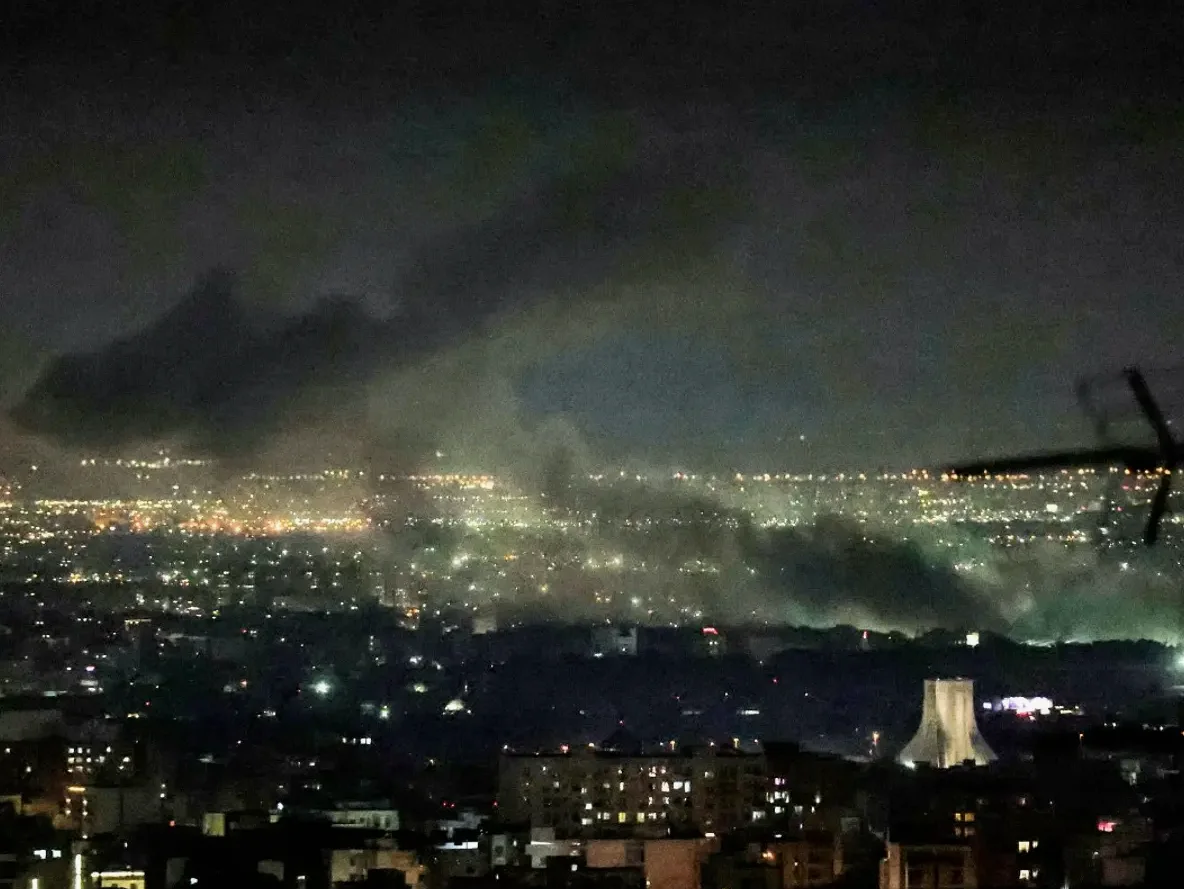
The Iran war’s oil shock has triggered a wave of economic anxiety in the United States, with rising fuel prices and fears of a potential recession dominating headlines. As tensions in the Middle East escalate, the global oil market has experienced one of the largest disruptions in modern history, with oil prices briefly reaching $119 per barrel, according to recent data.
Escalating Fuel Prices and Economic Concerns
Gasoline prices have climbed sharply, increasing by about 50 cents, from $2.98 per gallon before the conflict began to $3.48 on Monday. This surge is causing concern among economists, who warn that rising fuel costs could significantly impact household budgets and, in turn, the broader economy.
According to Mark Zandi, chief economist at Moody’s Analytics, every sustained $10 increase in oil prices could add roughly $450 per year to the typical American household’s expenses. This is a significant concern because the US economy relies heavily on consumer spending. If households begin cutting back on shopping, travel, and dining out, businesses could see declining revenues and may respond by reducing staff.
Job Market Weakness and Recession Risks
The US labor market is already showing signs of weakness, with the economy adding just 116,000 jobs during all of 2025, the lowest annual total outside a recession since 2002. The economy has also recorded job losses in five of the past nine months after years without negative job growth.
David Kelly, chief global strategist at JPMorgan Asset Management, described the combination of rising fuel prices and job losses as ‘a very nasty one-two punch to the economy.’ However, he still believes the economy will muddle its way through this crisis.
Recession fears have climbed, with the probability of a recession this year rising to about 35% early on Monday when US oil prices briefly touched $119 per barrel. That’s significantly higher than the roughly 20% chance estimated in early February before the US started building up military forces in the Middle East.
Market Reactions and Policy Influence
Another possible route to a recession would be a major stock market decline. If US equities fall 20% from their recent highs, the threshold for a bear market, it could discourage consumer spending, particularly among wealthier households that drive a large share of economic activity.
Business confidence is another concern. Companies that were already cautious about hiring or expanding operations may become even more hesitant if energy prices remain elevated. However, there are factors that could limit the damage compared with past oil crises.
In 2022, when gasoline prices surged to $5 per gallon after Russia invaded Ukraine, the United States had little influence over how quickly the conflict would end. In contrast, the US now has greater control over the course of events in the Persian Gulf.
Donald Trump suggested the conflict may already be nearing an end, telling CBS News that the war is ‘very complete.’ However, even if the fighting stops, the disruption in the Strait of Hormuz may take time to resolve. Trump’s comments appeared to calm markets somewhat, with US oil prices dropping to around $92 per barrel after briefly spiking to $119 per barrel late on Sunday and early on Monday.
Another key difference from past crises is that the United States is now a net energy exporter. That means while high energy prices strain household budgets, some sectors of the US economy benefit, particularly oil and natural gas producers and investors in fossil fuel companies. Although oil still trades in a global market, the US economy today is far less dependent on imported energy than it was in previous decades.
Meanwhile, the impact of the Iran war is being felt far beyond the US. In Southeast Asia, rising diesel prices have accelerated the region’s shift toward electric vehicles. A man in a Mercedes recently drove up to a Bangkok forecourt, cash in hand, ready to buy an electric vehicle he hadn’t planned on owning. Such far-reaching calamities can act as a catalyst, but the longer-term transition was already well under way.






1 Comment