

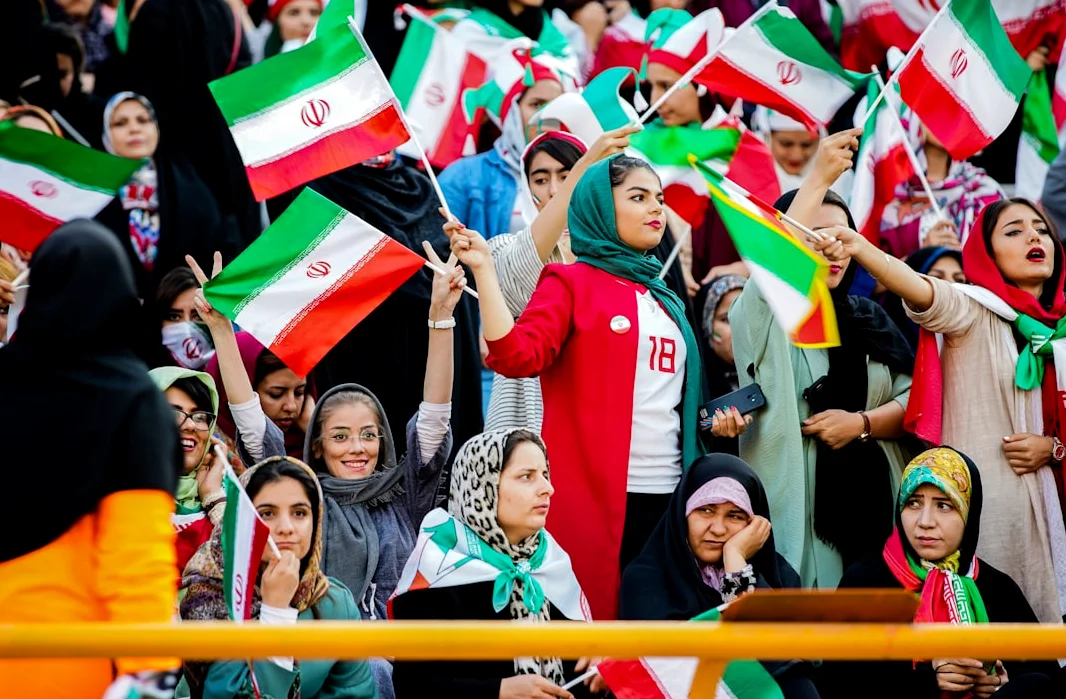
Iran’s Sports Minister Rules Out 2026 World Cup Participation
Iran’s sports minister has officially stated that the country will not take part in the 2026 World Cup, citing the recent attacks by the United States and Israel as a primary concern. According to The Guardian, the minister’s decision comes amid heightened regional tensions and potential security risks for Iranian athletes. This move has sparked a broader debate about the role of sports in international relations and the impact of geopolitical conflicts on major sporting events.
According to reports from Diario AS, the Iranian Football Association has raised doubts about the country’s participation in the World Cup, emphasizing the ongoing threats posed by the United States and Israel. The Iranian Football President has expressed uncertainty about the safety of the team, highlighting the potential dangers that could arise during the tournament. This stance aligns with the concerns voiced by Iran’s sports minister and highlights the complex interplay between national security and international sports competitions.
While the Iranian sports minister has ruled out participation, US President Donald Trump has sent a message indicating that Iran’s football team should be allowed to compete in the World Cup despite the ongoing conflict. According to sportschau.de, Trump’s assurance has not quelled the concerns raised by Iranian officials, who remain skeptical about the safety and security of their athletes in the tournament.
FIFA’s Role and Political Neutrality Controversy
FIFA President Gianni Infantino has stated that Trump will welcome Iran at the World Cup, according to the BBC. This statement highlights the potential tension between political considerations and the need for FIFA to maintain its position of political neutrality. The controversy surrounding Iran’s participation has reignited discussions about the organization’s ability to remain impartial in the face of geopolitical challenges.
According to the Korean newspaper, the controversy surrounding Iran’s potential participation in the World Cup has reignited debates about FIFA’s political neutrality. The article mentions that the International Energy Agency (IEA) is considering releasing 400 million barrels of oil to address disruptions in the market caused by the war in the Middle East. This move could have significant implications for global oil prices and the overall economic landscape, further complicating the situation for Iran and its international relations.
The Korean newspaper also notes that the Iranian Football Association is considering the possibility of participating in matches against Iraq and the United Arab Emirates, which could be the next step if the situation with the United States and Israel stabilizes. This potential shift highlights the dynamic nature of international sports diplomacy and the impact of geopolitical events on athletic participation.
Regional Reactions and Local Impact
The potential exclusion of Iran from the 2026 World Cup has elicited varied reactions across the region. In the Middle East, there is a mix of support for Iran’s stance and concern over the implications for regional stability. According to the Korean newspaper, the Iranian Football Association is considering the next steps, which may involve matches against Iraq and the UAE, reflecting the complex interplay of regional politics and sports.
Local communities in Iran have also expressed their views on the matter. The sportschau.de article mentions that the Iranian Football President has raised doubts about the country’s participation, emphasizing the need for a secure environment for athletes. This sentiment is echoed by local sports organizations, which are concerned about the safety of their players in a potentially hostile environment.
Meanwhile, in the United States, there is a mix of reactions to Trump’s message regarding Iran’s participation in the World Cup. Some political analysts suggest that Trump’s assurance may not be sufficient to alleviate the concerns of Iranian officials, who remain focused on the safety of their athletes. This highlights the broader implications of international sports events on diplomatic relations and the role of political leaders in shaping such events.
What’s Next for Iran’s Football Team
As the situation unfolds, the Iranian Football Association is likely to continue monitoring the geopolitical landscape to determine the next steps for the national team. According to the Korean newspaper, the association is considering matches against Iraq and the UAE, which could be the next phase if the security situation improves. This potential move would allow Iran to maintain its presence in international football while handling the complexities of regional politics.
The outcome of this situation will have significant implications for Iran’s sports community and its international relations. If Iran decides to participate in the World Cup, it could signal a shift in the country’s approach to international sports diplomacy. Conversely, if the team chooses not to compete, it may reflect a broader strategic decision to prioritize national security over athletic participation.
Ultimately, the decision regarding Iran’s participation in the 2026 World Cup will depend on a combination of factors, including the ongoing tensions with the United States and Israel, the stance of FIFA, and the internal discussions within the Iranian Football Association. As the international community watches closely, the outcome of this situation will be a key indicator of how geopolitical tensions can influence the world of sports.
Why It Matters
The potential exclusion of Iran from the 2026 World Cup highlights the complex interplay between sports and politics. As the situation develops, it will be crucial to monitor the actions of both the Iranian Football Association and FIFA to understand how they handle these challenges. The decisions made will not only affect the athletes involved but also have broader implications for international relations and the future of sports diplomacy.
Furthermore, the situation highlights the importance of ensuring that international sporting events remain inclusive and accessible to all nations, regardless of their geopolitical status. The outcome of this situation will serve as a case study for how sports organizations can balance their responsibilities in the face of global conflicts.
As the world continues to watch, the actions of Iran’s sports officials, the stance of FIFA, and the reactions from the international community will shape the future of sports diplomacy and the role of international sporting events in supporting global unity and cooperation.






Comments
No comments yet
Be the first to share your thoughts