

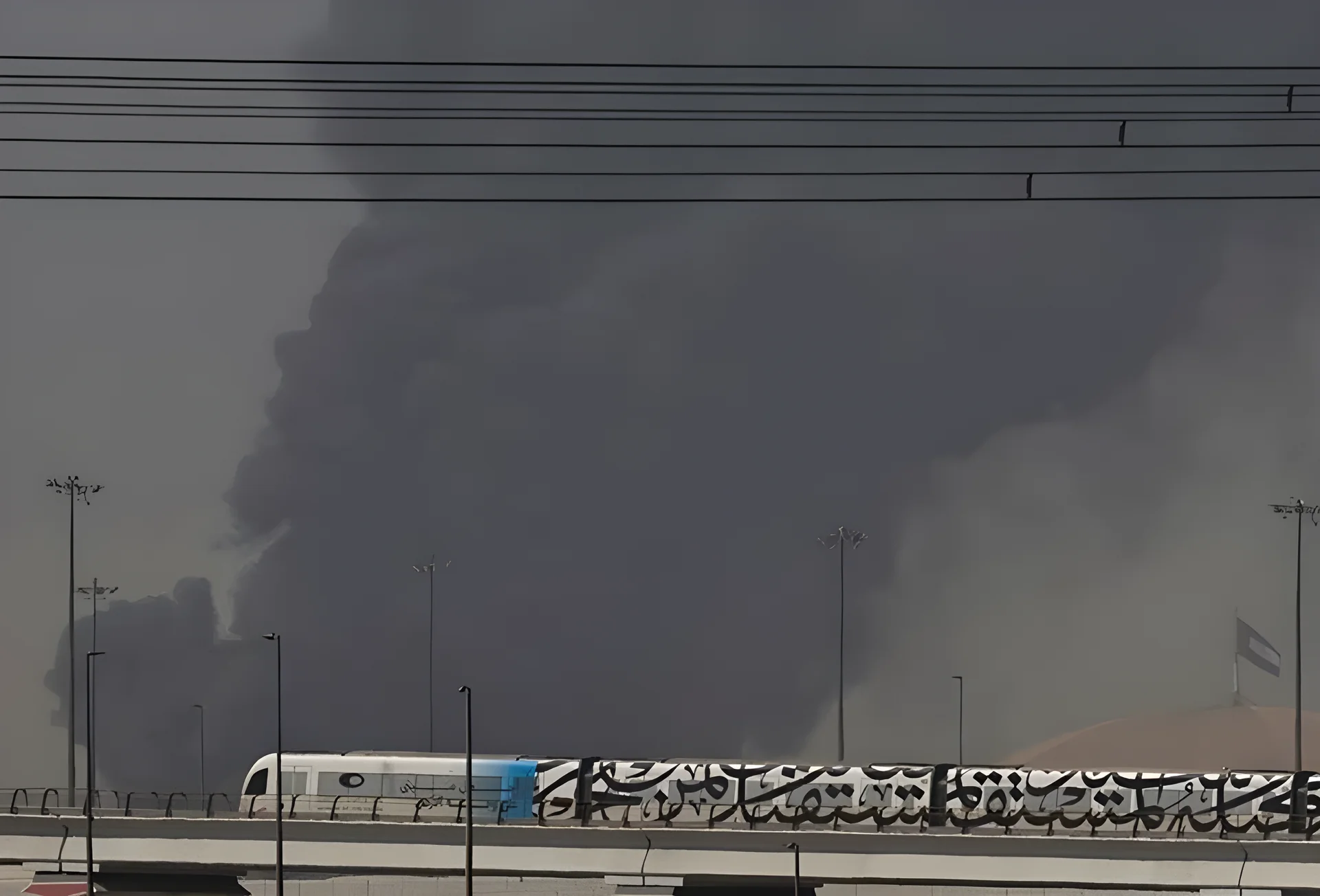
The death of Iran’s Supreme Leader Ayatollah Ali Khamenei in a joint Israeli-US strike has triggered a fierce regional conflict, with retaliatory attacks launched across the Gulf. The incident, which occurred on 28 February 2026, marks the most serious escalation between Iran and the US-Israeli alliance in decades.
Operation Epic Fury: A Coordinated Strike
Israeli and US officials launched “Operation Epic Fury” on Saturday, targeting key Iranian installations across Tehran, Isfahan, Natanz, and other strategic cities. The operation reportedly killed several senior Iranian officials, with Iranian state television confirming that Khamenei was among those killed. The development has sent shockwaves through the region, raising fears of a wider conflict.
According to reports, the joint operation focused on missile bases, air defense systems, nuclear facilities, and command centers. The scale of the strike has been described as unprecedented, with Israeli and US officials claiming to have crippled Iran’s military infrastructure.
Iran’s Retaliatory Strikes and Civilian Casualties
In response, Iran launched ballistic missiles and drones toward Israel and US military positions in the Gulf, including Kuwait, Bahrain, Qatar, and the United Arab Emirates. Air raid sirens blared across multiple capitals as intercepts were reported. Civilian damage has been reported on both sides, with a devastating strike on the Shajareh Tayebeh girls’ primary school in Minab, southern Iran, killing scores of children and drawing international outrage.
The attack on the school has been widely condemned by global leaders and humanitarian organizations. The incident has highlighted the potential for unintended civilian casualties in the ongoing conflict, which has already drawn urgent diplomatic attention.
Diplomatic and Economic Fallout
The conflict has prompted an emergency United Nations Security Council meeting, where the U.N. chief condemned the violence and called for de-escalation. Global capitals have also expressed concerns over the potential for the conflict to widen, involving Gulf states and non-state actors aligned with Tehran.
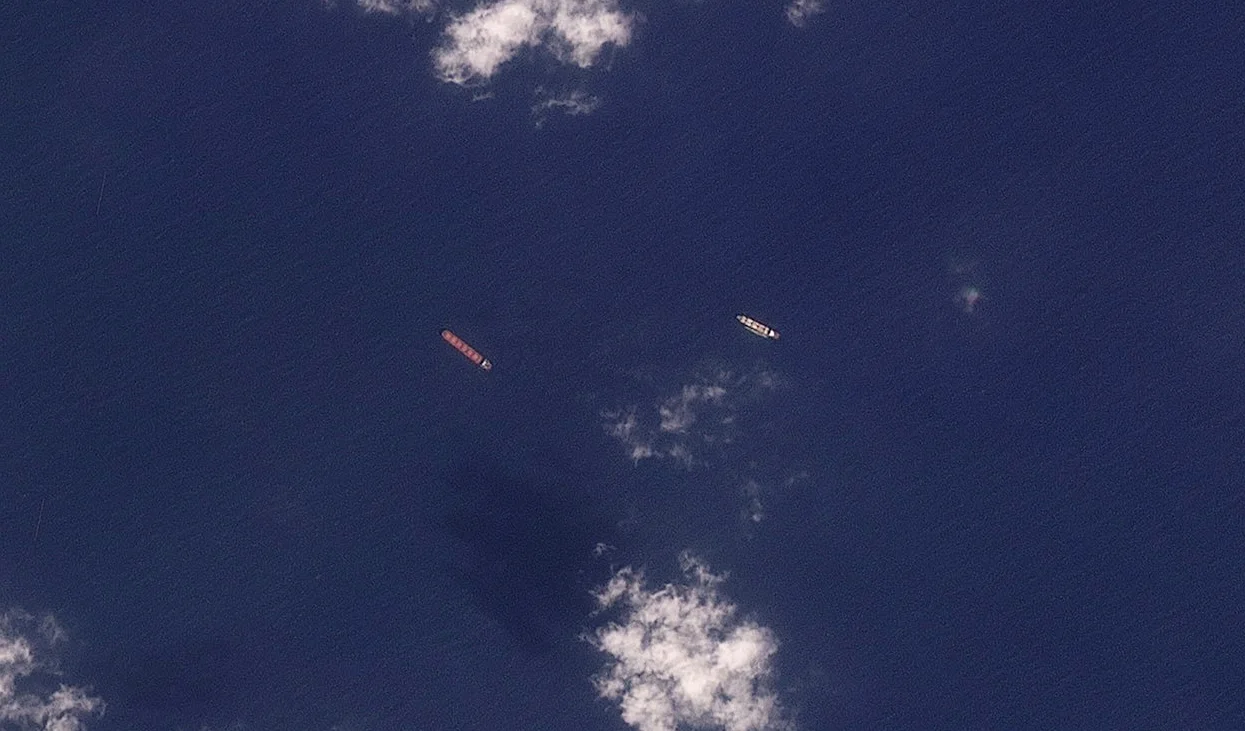
Regional markets have reacted sharply to the crisis, with disruptions to tanker movements near the Strait of Hormuz and a notable surge in safe-haven assets. The economic impact is expected to be felt globally, particularly in energy markets, with oil prices already showing signs of volatility.
On Sunday afternoon, Saudi Arabia intercepted Iranian missiles targeting Riyadh’s international airport and the Prince Sultan Airbase, which houses US military personnel. A Gulf source briefed on the matter told AFP that air defenses successfully intercepted the missiles without causing any human or material losses.
An eyewitness near the airport said they “saw and heard the air defense intercept the missile in the sky.” Residents and AFP correspondents earlier reported hearing explosions in eastern Riyadh, highlighting the tension in the region.
The Pentagon on Sunday denied Iran’s claim to have struck the aircraft carrier USS Abraham Lincoln with ballistic missiles in the Gulf. “The Lincoln was not hit. The missiles launched didn’t even come close,” US Central Command said on X.
In a separate incident, an Iranian drone attack on an Abu Dhabi naval base hosting French forces caused a fire but no casualties, the UAE’s defense ministry said on Sunday. The attack targeted a warehouse at Al Salam Naval Base, also known as Camp de la Paix, which is Emirati but hosts French forces at the UAE’s invitation.
The French military declined to comment on the reports of the strike on Sunday. The incident highlights the growing involvement of European powers in the escalating conflict, as the situation continues to unfold with no clear end in sight.




Comments
No comments yet
Be the first to share your thoughts