

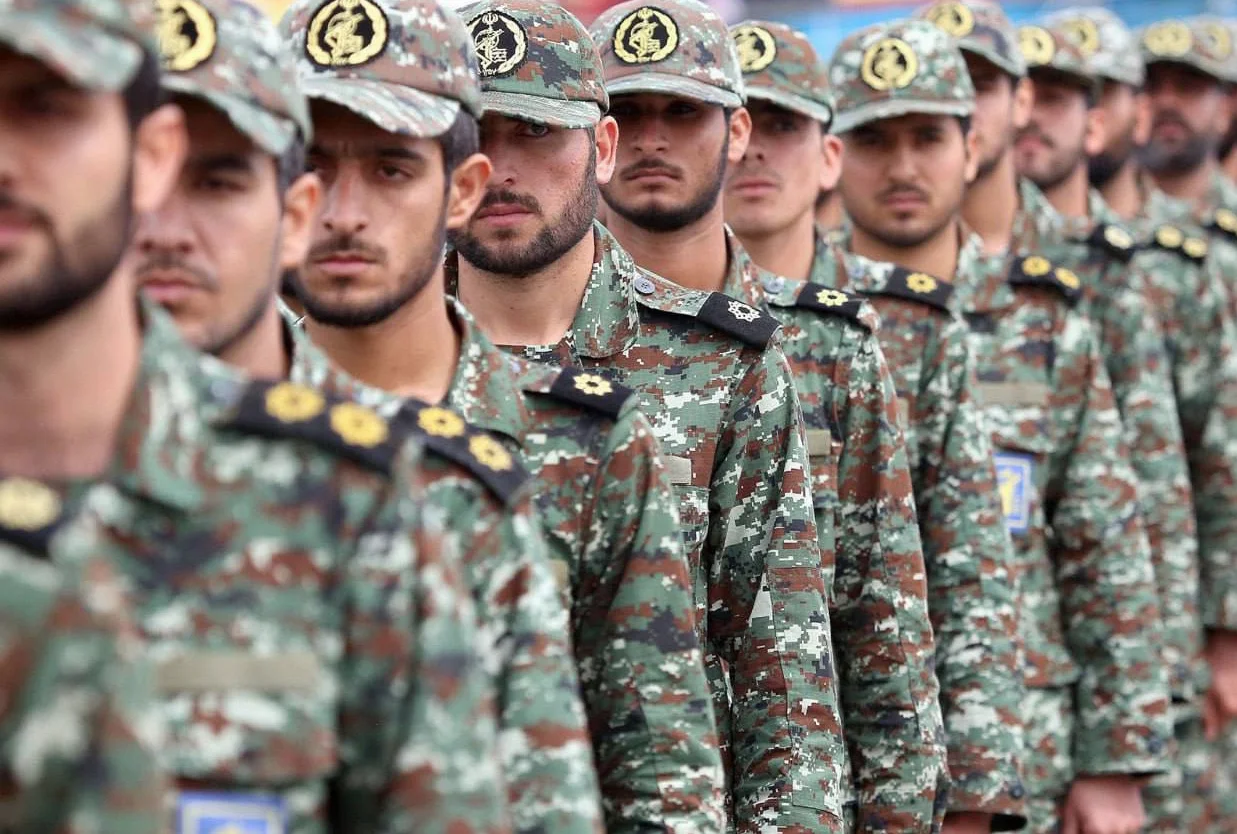
Iran’s Islamic Major Guard Corps (IRGC) has announced the initiation of the sixth phase of its ‘True Promise 4’ operation, a series of retaliatory strikes targeting U.S. and Israeli military installations across the Middle East. According to Fars News Agency, the operation includes missile and drone attacks on 27 U.S. bases, Israel’s Tel Nof base, the Israel Defense Forces (IDF) command in Hakirya, and a defense complex in Tel Aviv. The IRGC vowed that it would not allow ‘sirens to fall silent in occupied territories or U.S. bases’ and promised a ‘different and difficult step of revenge.’
Strategic Targets and Regional Impact
The operation, described as a new phase of retaliation, focuses on military infrastructure that Iran perceives as threats to its national security. The 27 U.S. bases targeted are spread across the region, including locations in Iraq, Syria, and the Gulf. The inclusion of Israeli military installations suggests a broader regional strategy that targets both direct and indirect adversaries.
According to military analysts, the IRGC’s choice of targets reflects a calculated effort to disrupt U.S. military operations in the region and send a strong signal to Israel, which Iran views as a primary threat. The attacks on Tel Nof, a major Israeli airbase, and the IDF command in Hakirya are particularly symbolic, as these locations play a key role in Israel’s regional military posture.
Local officials in the Gulf region have expressed concern over the potential for escalation following the strikes. Several countries have already called for de-escalation, with some warning of possible retaliatory measures if the attacks are confirmed to have caused casualties or significant damage.
Historical Context and Escalation Trends
The ‘True Promise 4’ operation is the latest in a series of retaliatory actions by the IRGC, which began in response to a series of perceived provocations, including U.S. military presence in the region and Israeli airstrikes on Iranian-backed groups in Syria. Previous waves of the operation have included missile strikes on U.S. bases in Iraq and drone attacks on Israeli targets.
Analysts note that the IRGC has increasingly used asymmetric warfare tactics, such as drone and missile attacks, to counter what it sees as the overwhelming military superiority of the U.S. and Israel. These tactics have allowed Iran to conduct operations without direct confrontation with its adversaries.
According to a report by the Institute for the Study of War, the IRGC has conducted similar operations in 2021 and 2023, targeting U.S. bases in Iraq and Saudi Arabia. These attacks have often been followed by diplomatic warnings from Washington and Tel Aviv, though no large-scale retaliatory strikes have been launched in response.
However, the current wave of attacks appears more expansive and coordinated, with multiple targets across different countries and military installations. This has raised concerns among regional security experts about the potential for a broader conflict.
What Analysts Say About the Next Steps
Experts warn that the IRGC’s latest operation could lead to a further escalation in tensions, particularly if the U.S. or Israel respond with military force. According to Dr. Amir Farid, a Middle East security analyst at the University of Tehran, ‘The IRGC is signaling that it is prepared for a prolonged conflict. The targets chosen indicate a willingness to strike at the very heart of U.S. and Israeli military operations in the region.’
Meanwhile, U.S. officials have not yet commented on the reported attacks, though a spokesperson for the Pentagon stated that the U.S. is ‘monitoring the situation closely and is prepared to respond to any threats to its personnel or interests abroad.’
Israeli officials have also remained silent on the attacks, though sources indicate that the Israeli military is preparing contingency plans for potential retaliatory measures. The IDF has reportedly increased its surveillance and readiness in the region, with a focus on identifying and neutralizing any further threats.
The operation is expected to continue over the next several days, with the IRGC likely to announce further targets in the coming hours. The situation remains highly fluid, with both the U.S. and Israel watching closely for any signs of escalation.
The IRGC’s actions have significant implications for regional stability, particularly in a time when tensions over Iran’s nuclear program and U.S. military presence in the Middle East remain high. The attacks may also have economic repercussions, as oil prices have already risen in response to previous conflicts in the region.






Comments
No comments yet
Be the first to share your thoughts