

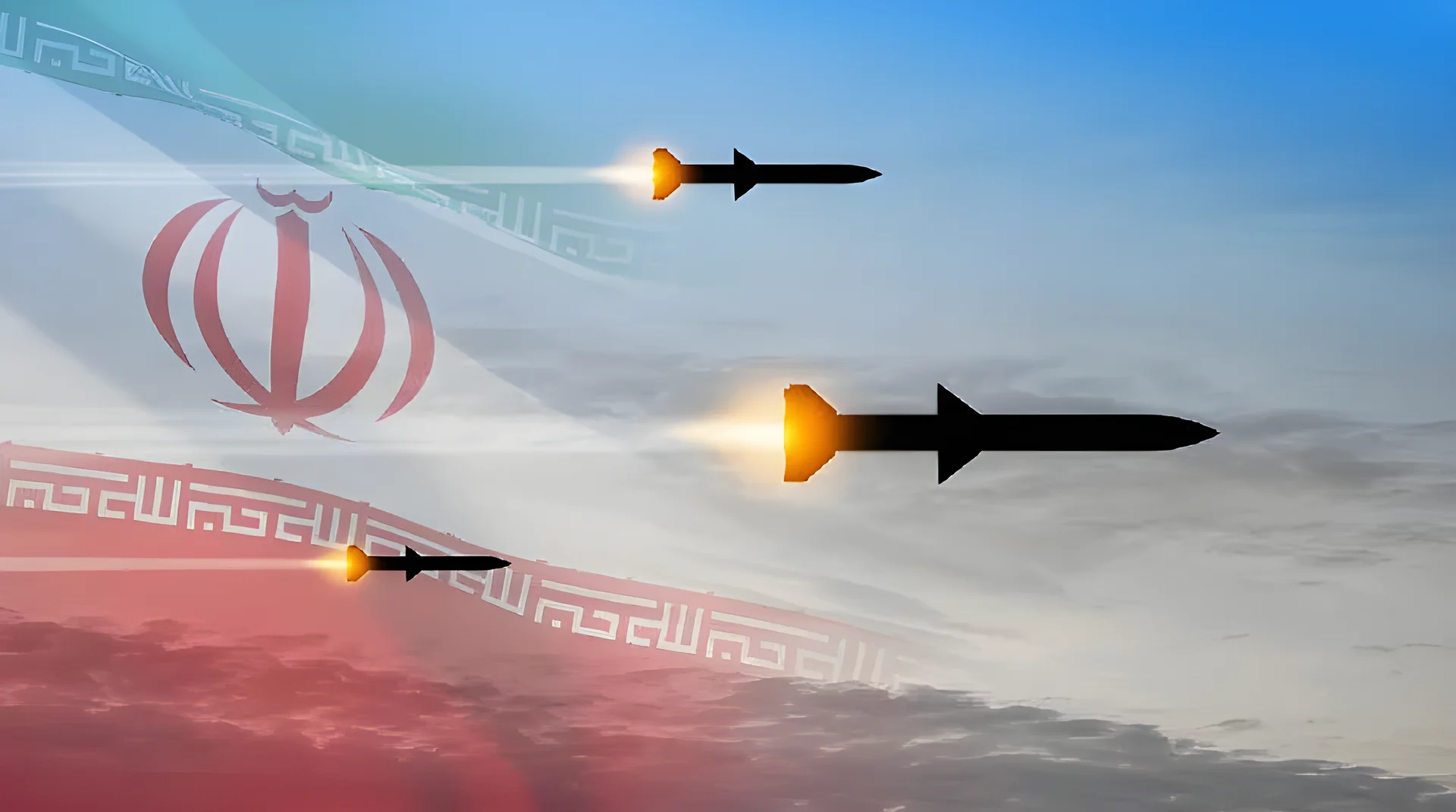
Iraq is bracing for the fallout of escalating tensions with Iran, with old sectarian divisions resurfacing and economic vulnerabilities coming under threat. As the Iran war spreads, locals say old sectarian rivalries, similar to those that nearly brought Iraq to the brink of civil war two decades ago, are making a worrying comeback.
Resurgence of Sectarian Tensions
“You can tell that a segment of the Shiite community [in Iraq] views this battle as existential,” said Wissam Yassin, a digital marketer based in Basra. “They see the weakening of Iran as a direct threat to themselves, not only on an emotional level but also in terms of the political power they currently have here. They see any strike against Iran as a strike against them.”
Meanwhile, many in Iraq’s Sunni community seem to perceive the war as an opportunity to rearrange the political landscape, as Iranian influence on Iraq gets weaker. Wissam, who is Shiite himself, continued, “And that sectarian division is the most dangerous thing for Iraq.”
Regional Impact and Political Uncertainty
Iraq shares an around 1,500-kilometer border with Iran and has strong commercial, political, and military ties with the neighboring country. It is also the only country in the region that has been attacked by both sides in this conflict, according to Renad Mansour, director of the Iraq Initiative at the Chatham House.
After the US and Israel attacked Iran on the weekend, the latter retaliated by targeting US bases across the Middle East. In Iraq, local paramilitaries aligned with Iran also attempted to attack American targets within the country. At the same time, US or Israeli forces (it is unclear which country was responsible) bombed Iran-allied paramilitaries inside Iraq.
“Iran will want to take advantage of that [lack of appetite] to raise the costs of decisions made by [US President Donald] Trump. And Iraq will, of course, feel that cost too,” Mansour argued.
Economic Vulnerabilities and Energy Concerns
Besides direct violence, other downstream impacts could be financial. According to the Iran-Iraq Joint Chamber of Commerce, bilateral trade between the two countries amounted to $12 billion (€10.2 billion) in 2024. Iran is thought to supply around a fifth of Iraq’s consumer goods and is known to use Iraq to bypass US sanctions and access foreign currencies.
Instability in Iran will likely upend those economic and trade relationships. “Keep in mind also that Iran is Iraq’s main energy supplier for electricity,” Mansour pointed out, “so that’s a big question going into another hot summer.”
In the past, when power and water ran out during the country’s unbearably hot summers, angry locals were quick to protest. In 2023, Iranian gas was used to generate around 29% of Iraq’s electricity, the Netherlands-based think tank Clingendael Institute reported last year.
“Iraqis are experienced adjusting to difficult times, so there will be less destabilization in the short term,” said Hamzeh Hadad, an independent Iraqi researcher based in Baghdad. “But if the war is prolonged, that could change.”
The Iraqi state is heavily reliant on oil sales, Hadad pointed out. If blocked tanker traffic through the Strait of Hormuz eventually stops oil income, that would have an impact on Iraq’s ability to pay its civil servants. The country has one of the biggest public sector workforces in the world, and the Iraqi government pays salaries or benefits like pensions to around 7 million Iraqis.
During the COVID-19 pandemic in 2020, after oil prices fell, the government found itself unable to pay salaries on time, resulting in demonstrations around the country.
Iran is known to have an outsize influence in Iraqi politics due to its supporters in Shiite Muslim parties and paramilitaries. After elections in November 2025, Iraq is currently forming its next government, a process that is always fraught as various demographic groups jostle for ministries and power.
“The government formation process will be impacted by this [war],” Mansour said. “That could go many different ways, anything from delays to potentially even the formation of an emergency government just to deal with this war.”
Foreign interference has been impacting Iraq for way too long, Mohammed Anouz, a lawyer and former member of the Iraqi parliament, told DW. “It’s one of the reasons why we have been unable to be independent in our decision making; we want decisions to be made in the interests of our own nation.”
“An Iran that is less focused on meddling in Iraqi affairs could allow the Iraqi state to reestablish its sovereignty,” Victoria Taylor, director of the Iraq Initiative at the US-based think tank, the Atlantic Council, pointed out in a dispatch written this week.
It is certain that changes in Iran will affect Iraqi politics, Hadad confirmed. “But it’s unclear if those will be negative or positive in the long run. Any instability in Iran can easily spill across the border, and there are very few positives to come out of war. Also, it’s not clear whether any new Iranian regime would be hostile to Iraq or not.”
“Some may see this as a kind of positive change,” Mansour added. “But the challenge is that nobody is sure what comes next. History tells us that there’s more likely to be more chaos and more violence before anything is settled, and that, I think, is a scary thought for many Iraqis.”






Comments
No comments yet
Be the first to share your thoughts