

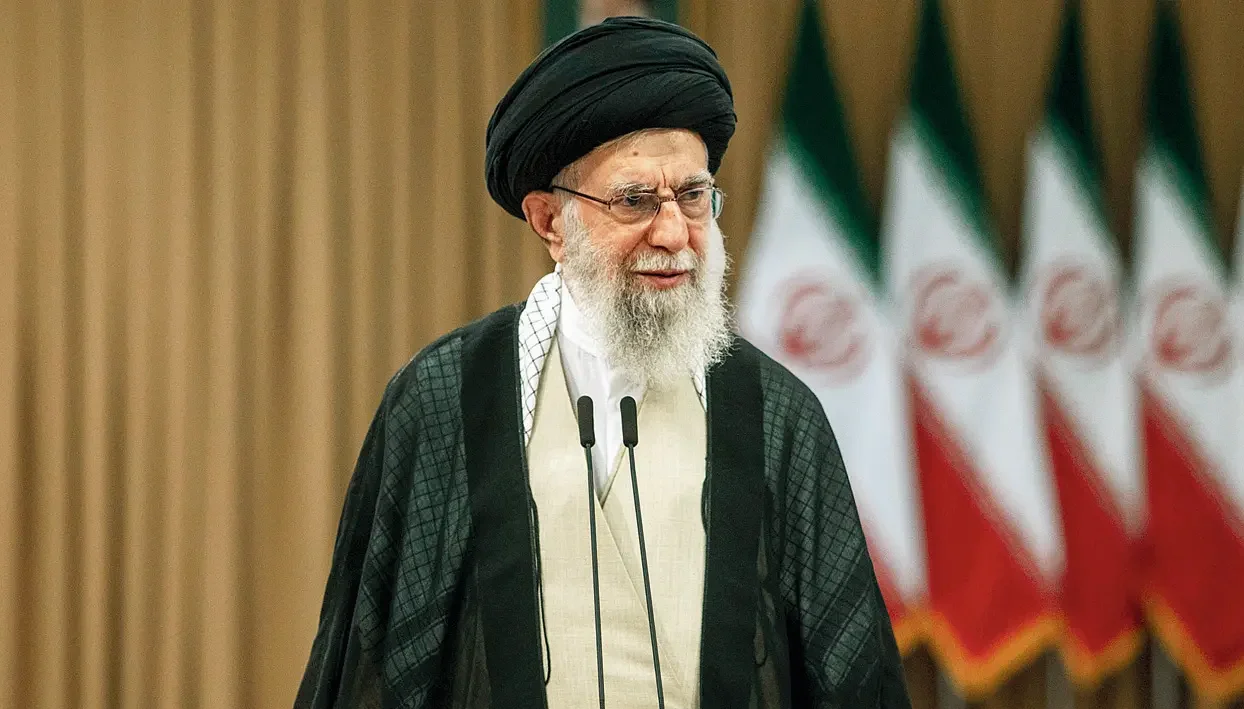
Israel is accused of conducting a sophisticated cyber operation that involved hacking thousands of traffic cameras in Tehran to monitor the movements of Iran’s Supreme Leader, Ayatollah Ali Khamenei, according to sources close to the Iranian government. The alleged cyber campaign, which reportedly began years ago, involved accessing mobile networks and transmitting footage to servers that could pinpoint Khamenei’s location in real time.
Surveillance Infrastructure in Tehran
According to the reports, nearly all traffic cameras in Tehran had been compromised over the past several years. These cameras, which are part of a citywide surveillance network, were allegedly hacked and redirected to servers controlled by Israeli intelligence operatives. The footage collected from these devices reportedly allowed for the real-time tracking of Khamenei’s movements, including his travel routes, residence, and other sensitive locations.
The scale of the alleged cyber operation suggests a long-term strategy by Israel to gain intelligence on Iran’s leadership. Iranian officials have long accused Israel of conducting cyber espionage against their country, but this is the first known report of such an operation involving extensive surveillance infrastructure in Tehran.
Implications for Iran-Israel Tensions
The revelation of this alleged cyber campaign comes amid heightened tensions between Iran and Israel, with both sides accusing each other of covert operations. In recent years, Israel has been linked to several cyber attacks targeting Iran’s nuclear program, including the Stuxnet malware incident in 2010, which disrupted Iran’s uranium enrichment efforts. If confirmed, this new report would represent a significant escalation in the cyber warfare between the two nations.
The alleged hacking of Tehran’s traffic cameras raises serious concerns about the security of critical infrastructure in Iran. According to cybersecurity experts, the ability to access such a large network of cameras would require advanced technical capabilities and long-term planning. It also suggests that Iran’s surveillance systems may be more vulnerable than previously assumed.
Iran’s Response and What’s Next
Iranian officials have not officially commented on the report but have consistently accused Israel of engaging in cyber espionage and sabotage. In a recent speech, Khamenei warned of the consequences of any further Israeli actions against Iran, stating, ‘Any aggression against our country will be met with a strong response.’
Experts suggest that the report could lead to increased cyber defense measures by Iran, as well as potential retaliatory actions against Israeli targets. The U.S. has also been closely monitoring the situation, given its close relationship with Israel and its interest in regional stability. Some analysts believe that the U.S. may be involved in facilitating or supporting such intelligence-gathering efforts, though no official statements have been made on this matter.
The report comes at a time when Iran is seeking to strengthen its cyber capabilities in response to perceived threats from both Israel and the United States. According to a 2022 report by cybersecurity firm FireEye, Iran has been investing heavily in developing its own cyber warfare units to counter foreign threats. The alleged hacking of Tehran’s cameras may have accelerated these efforts.
With tensions between Iran and Israel continuing to rise, the implications of this report could be far-reaching. If confirmed, it would represent a new chapter in the cyber warfare between the two nations and could lead to further escalation in their already volatile relationship.






Comments
No comments yet
Be the first to share your thoughts