

 CNN
CNN 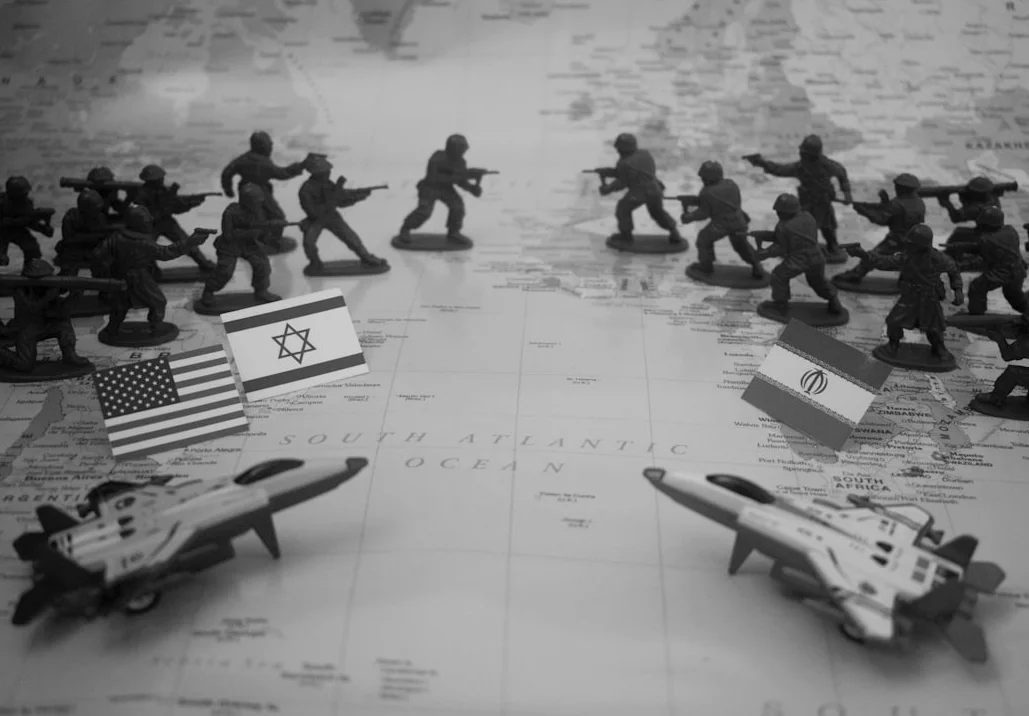
Israel’s military has escalated its campaign against Iran, striking fuel storage sites in the capital Tehran on Saturday evening, according to an Israeli source. These attacks are part of what officials describe as the next phase of the war, focusing on disrupting Iran’s energy infrastructure. Meanwhile, Iran’s retaliatory strikes against US-friendly Gulf nations continue, despite President Masoud Pezeshkian’s apology for previous attacks on US bases in the region.
Iranian Oil Targets and US Troop Possibilities
Israeli Prime Minister Benjamin Netanyahu claimed in a recorded statement that Israel and the US have achieved ‘almost complete control’ over Iranian skies, with ‘many more targets and surprises prepared.’ This assertion comes amid reports that Iran is considering a new supreme leader to replace Khamenei, who was killed in the war’s opening days. The transition could signal a shift in Iran’s strategy and response to the conflict.
US President Donald Trump, addressing the ongoing situation, stated that American ground troops could be deployed to Iran ‘possibly’ if there is a ‘very good reason.’ This comment comes amid rising tensions and uncertainty over the direction of the war.
Strikes Across the Persian Gulf and Lebanon
Across the Persian Gulf, countries reported airstrikes and missile interceptions on Saturday night and early Sunday morning. Iran’s top security official, Ali Larijani, criticized Trump’s approach, calling it a ‘quagmire’ for the US, stating that Trump’s ‘international miscalculation’ has left the US ‘stuck in the quagmire of its own miscalculations.’
In Lebanon, Israeli commandos conducted a raid in a border region, reportedly searching for the remains of a long-missing airman. The operation resulted in dozens of casualties, according to Lebanese authorities. Additionally, an Israeli strike hit a hotel in central Beirut, killing at least four people and wounding 10 others. This marks a shift from previous attacks that primarily targeted Hezbollah-controlled areas.
Regional Fallout and Evacuations
The war’s impact is being felt beyond Iran and Lebanon. In Kuwait, a ‘wave of hostile drones’ targeted fuel storage at Kuwait International Airport, prompting emergency responses. Saudi Arabia also reported drone attacks, highlighting the war’s expanding reach.
In Dubai, buildings around the city’s Marina were evacuated after debris from projectile interceptions damaged the facade of a high-rise. Among those evacuated were CNN staff. Meanwhile, in Iraq, two explosive-laden drones were shot down over the Kurdish city of Erbil, with local security sources confirming the incident around 11 p.m. local time.
The war’s trajectory remains uncertain, with conflicting statements from Iranian officials suggesting possible internal divisions. While Pezeshkian expressed regret over attacks on Gulf neighbors, his office later reaffirmed Iran’s commitment to striking US targets in the region. This contradiction raises questions about the cohesion of Iran’s leadership and its strategic direction.
As the conflict continues, the focus shifts to what comes next. The potential for a new supreme leader in Iran, along with the possibility of US troop deployment, adds layers of complexity to an already volatile situation. With no clear end in sight, the region faces a prolonged period of uncertainty and risk.






Comments
No comments yet
Be the first to share your thoughts