

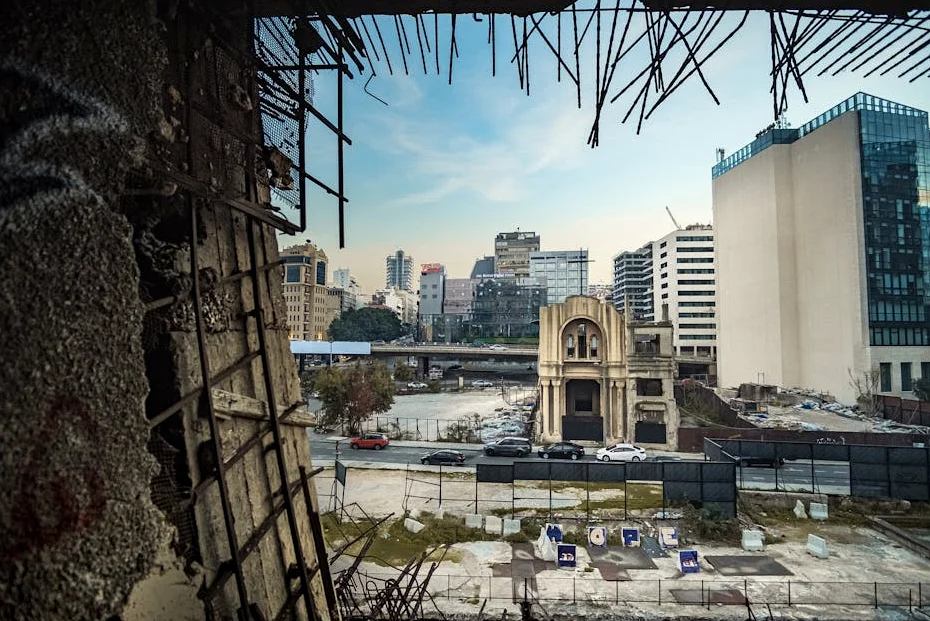
Israel has killed seven people in Beirut, with Hezbollah engaging in combat operations in southern Lebanon, according to multiple reports. The incident occurred amid escalating tensions between Israel and Hezbollah, with both sides accusing each other of aggression; the deaths in Beirut have drawn international attention, while clashes in southern Lebanon have raised concerns about the broader regional implications of the conflict.
Israeli Military Actions and Civilian Impact
According to Al Jazeera, Israel launched an attack in Beirut that resulted in the deaths of seven civilians. The attack reportedly targeted areas in the southern part of the city, where Hezbollah has a strong presence. Local residents described the attack as sudden and devastating, with many fleeing the area in panic. The Israeli military has not officially commented on the attack, but a source close to the Israeli defense establishment told Reuters that the operation was a response to Hezbollah’s recent military movements near the Israeli border.
Meanwhile, the New York Times reported that Israel has issued sweeping evacuation warnings in southern towns, pressuring Christian and Druze leaders to expel Shiite Muslims from their areas. Some local leaders have resisted these demands, citing concerns about the displacement of vulnerable communities. The Times quoted a local Druze leader who said, ‘We cannot force people to leave their homes. This is not a war against Hezbollah alone, but against our people.’
The impact on civilians has been significant, with hospitals in Beirut reporting an influx of injured from both the attack and the ongoing conflict with Hezbollah. A medical official at a Beirut hospital told Al Jazeera, ‘We are overwhelmed. The situation is deteriorating by the hour.’
Hezbollah’s Response and Regional Tensions
Hezbollah has responded to the Israeli attack with military operations in southern Lebanon. According to EFE Noticias, Israel reported that eight of its soldiers were killed in close-range clashes with Hezbollah fighters. Hezbollah confirmed the deaths of several of its fighters but did not provide specific numbers. The group stated that the attacks were part of a broader effort to push Israeli forces out of southern Lebanon.
Hezbollah’s actions have drawn criticism from Lebanese officials, who are struggling to manage the humanitarian crisis and maintain stability. A Lebanese government spokesperson told Al Jazeera, ‘We urge both sides to de-escalate the situation and avoid further civilian casualties. The people of Lebanon are suffering enough.’
Regional tensions have also been heightened by Iran’s response to the conflict. Al Jazeera reported that Iran has rejected President Donald Trump’s claims that Tehran requested a ceasefire. Iran’s foreign ministry spokesperson stated that the United States entered the war due to an ‘Israeli miscalculation’ and denied any proposal for a ceasefire. This denial has further complicated diplomatic efforts to resolve the conflict.
International Reactions and Humanitarian Concerns
The international community has expressed concern over the escalating violence in the region. The European Union has called for an immediate ceasefire and urged both Israel and Hezbollah to return to the negotiating table. A European Union spokesperson told Reuters, ‘The situation is extremely volatile. We are deeply concerned about the loss of civilian lives and the potential for further escalation.’
Humanitarian organizations have also raised alarms about the impact of the conflict on civilians. According to EFE Noticias, the United Nations has warned that the situation in southern Lebanon is becoming increasingly dire, with food and medical supplies running low in several areas. A UN official stated, ‘We are witnessing a humanitarian crisis in the making. Immediate action is needed to prevent further suffering.’
In Beirut, local residents have described the chaos and fear gripping the city. A resident of Beirut told Al Jazeera, ‘We are living in fear. Every day brings new uncertainty. We just want to live in peace.’
Regional and Global Implications
The conflict between Israel and Hezbollah has broader implications for the region and beyond. The involvement of Iran and the United States has raised concerns about the potential for a wider regional conflict. According to the New York Times, President Trump has suggested that the war could end in weeks, but his comments have been met with skepticism by military analysts and diplomats. Trump has also threatened Iran with further attacks, a move that has been criticized by several countries.
The situation has also drawn attention to the humanitarian impact on Lebanon, which is already grappling with an economic crisis. According to EFE Noticias, the price of jet fuel in Nepal has been sharply raised to avoid supply disruptions from the war, highlighting the global ripple effects of the conflict. A Lebanese economist told Reuters, ‘The war is not only destroying lives but also crippling the economy. We are at a breaking point.’
As the conflict continues, the international community is watching closely for any signs of de-escalation. Diplomatic efforts are ongoing, but the situation remains highly volatile. A United Nations official told Al Jazeera, ‘The world is watching. We hope for a swift resolution to this crisis.’
The next phase of the conflict will depend on the actions of both Israel and Hezbollah, as well as the international community. Diplomatic efforts are ongoing, but the situation remains highly unstable. The potential for further escalation remains high, and the humanitarian impact on civilians is growing.
Local leaders in Lebanon are calling for a ceasefire and a return to negotiations. A Lebanese political figure told Reuters, ‘We cannot afford another war. The people of Lebanon have suffered enough.’
As the conflict continues, the world will be watching closely for any developments that could lead to a resolution of the crisis.






Comments
No comments yet
Be the first to share your thoughts