

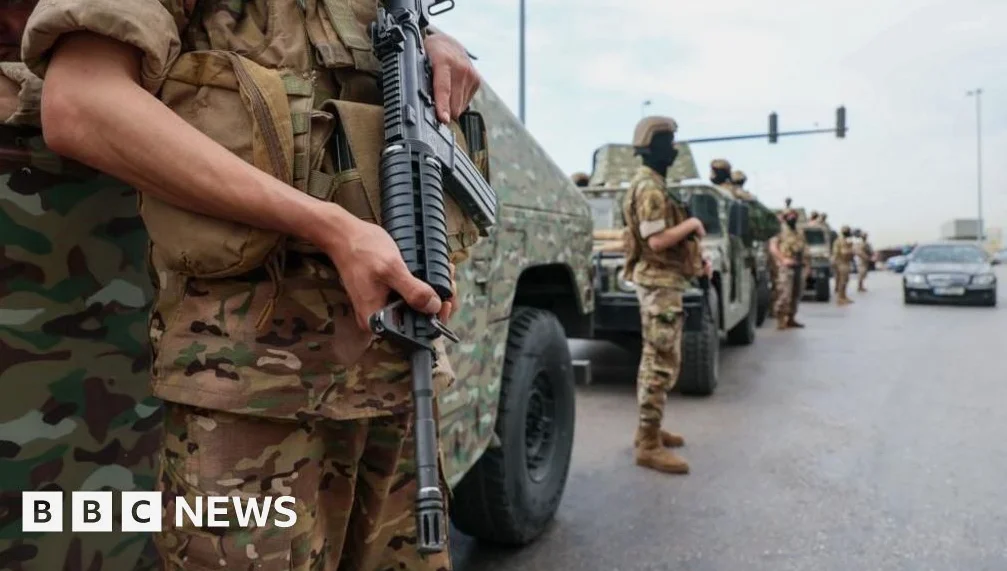
On October 23, U.S. President Donald Trump announced on Truth Social that the ceasefire between Israel and Lebanon had been extended for three weeks. The agreement comes after two rounds of high-level talks mediated by the United States. Reuters reported that Trump stated he personally presided over the discussions held in the White House Oval Office with senior representatives from both countries.
U.S.-Led Negotiations and Diplomatic Efforts
The second round of talks, held nine days after the first in 33 years, took place on October 14 in Washington, D.C. The meeting involved Lebanon’s Ambassador to the U.S., Nada Hamadeh Moawad, and Israel’s Ambassador to the U.S., Yechiel Leiter, under the mediation of U.S. Secretary of State Marco Rubio. Two days after that initial meeting, on October 16, Trump announced that both countries had agreed to a ten-day ceasefire.
Israeli Prime Minister Benjamin Netanyahu has, however, maintained a more aggressive stance. In a video message, he stated, “I want to tell you: there is no ceasefire in Lebanon. We are continuing to strike Hezbollah with force, and we will not stop until we restore your security.” Despite the ceasefire agreement, Israeli forces have continued their military operations in Lebanon, raising concerns about the agreement’s sustainability.
Contradictory Signals and Diplomatic Overtures
Netanyahu has instructed his cabinet to open direct negotiations with Lebanon as soon as possible, a move reportedly requested by President Trump, who has urged the Prime Minister to adopt a “a little more low-key” approach in Lebanese operations. The proposed talks could begin at the U.S. State Department as early as next week and are intended to focus on the disarmament of Hezbollah and the establishment of “peaceful relations.”
Despite these diplomatic overtures, Lebanese officials have expressed skepticism. They have not received a formal invitation and insist there will be “no negotiations under fire.” The Lebanese government has also criticized the ongoing Israeli strikes, noting that the ceasefire does not apply to Lebanon in practice.
Human Cost and Regional Tensions
The conflict has taken a heavy toll, with Wednesday marking the deadliest wave of Israeli strikes since the war began. The Middle East remains on a knife’s edge as the war enters its 41st day. The broader regional ceasefire between the U.S. and Iran has also come under threat due to continued strikes and the ongoing closure of global energy arteries.
As both sides continue to issue contradictory signals, the future of the ceasefire remains uncertain. The U.S. government has emphasized the importance of maintaining the pause in hostilities, but it remains to be seen whether the agreement will hold as military operations continue on the ground.






Comments
No comments yet
Be the first to share your thoughts