

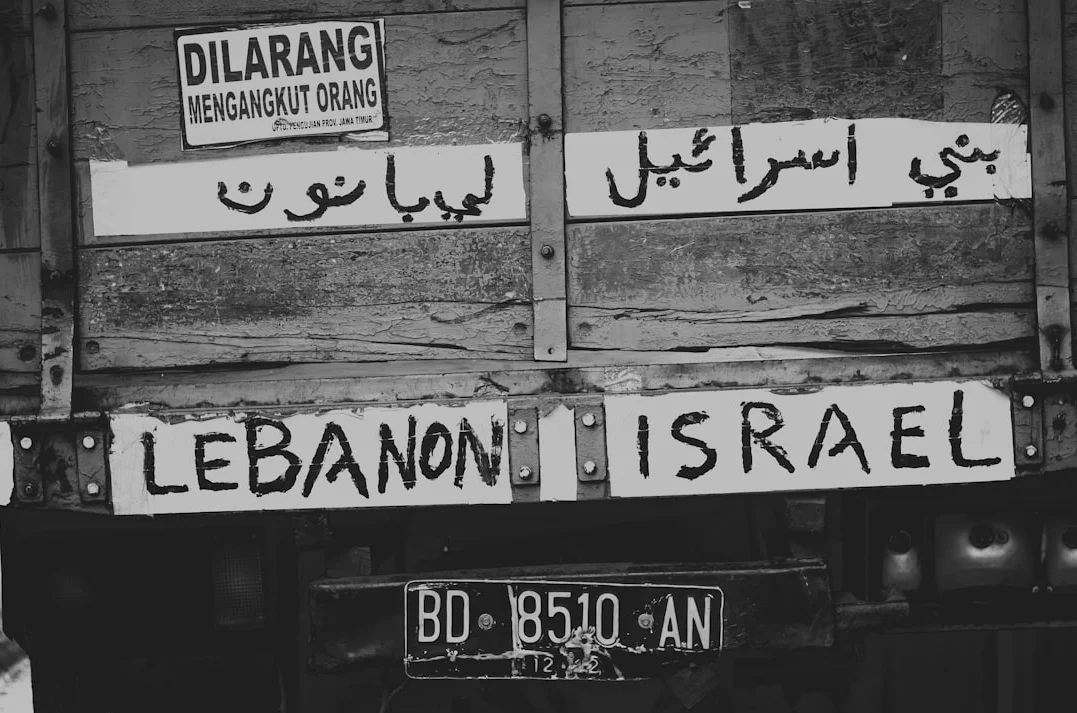
Israeli Prime Minister Benjamin Netanyahu has signaled openness to holding talks with Lebanon ‘as soon as possible,’ according to Al Jazeera — this development comes amid ongoing efforts to manage regional tensions and stabilize the volatile Middle East.
Ceasefire Negotiations and Regional Dynamics
Backchannel talks led by Pakistan have resulted in a temporary ceasefire after weeks of intense fighting, according to Al Jazeera — these negotiations, while not resolving all hostilities, have brought a brief respite to the region. However, the situation remains fragile, with no permanent resolution in sight.
Pakistan’s Prime Minister has called for an ‘immediate ceasefire across the entire Middle East,’ as reported by 경향신문; this plea for peace highlights the growing concern over the spread of conflict beyond localized skirmishes. The involvement of multiple regional actors adds layers of complexity to the situation.
Regional Actors and Diplomatic Efforts
The involvement of Pakistan in mediating the ceasefire reveals the role of external players in de-escalating tensions — As per Al Jazeera, the temporary ceasefire has been a result of sustained diplomatic efforts, although the long-term implications remain uncertain.
Meanwhile, the U.S. and Iran have also been engaged in talks that could influence the broader regional dynamics — these discussions, reported by 경향신문, have drawn significant attention as they may affect the trajectory of the ongoing conflicts in the Middle East.
While the Israeli government has shown openness to dialogue with Lebanon, the actual implementation of such talks remains pending — the political climate in both countries, as well as the broader regional context, will play a key role in determining the success of these negotiations.
Humanitarian and Economic Impact
The ongoing conflict has had a profound humanitarian impact, with reports of armed raids in refugee camps, such as the Maghazi refugee camp in central Gaza, which reportedly involved Israeli military support. These incidents highlight the continued risks faced by civilians caught in the crossfire.
Economically, the war has disrupted oil markets, with the conflict with Iran removing hundreds of millions of barrels from the global supply, while this has had a ripple effect on global energy prices and trade dynamics, according to Al Jazeera.
On a different front, political developments in other regions have also been making headlines. In South Korea. Concerns have been raised over the allocation of additional budget funds for attracting Chinese tourists, which has sparked debates over national security and economic priorities.
Meanwhile, in the legal sphere, former South Korean President Yoon Suk-yeol has denied any knowledge of documents related to media restrictions during the 12·3 incident, according to 경향신문. His legal defense continues to unfold as part of ongoing judicial proceedings.
Despite these developments, the focus remains on the Middle East, where the call for immediate ceasefire and diplomatic talks continues to be a central theme. The situation in Israel and Lebanon remains a key point of concern for both regional and global those involved.






Comments
No comments yet
Be the first to share your thoughts