

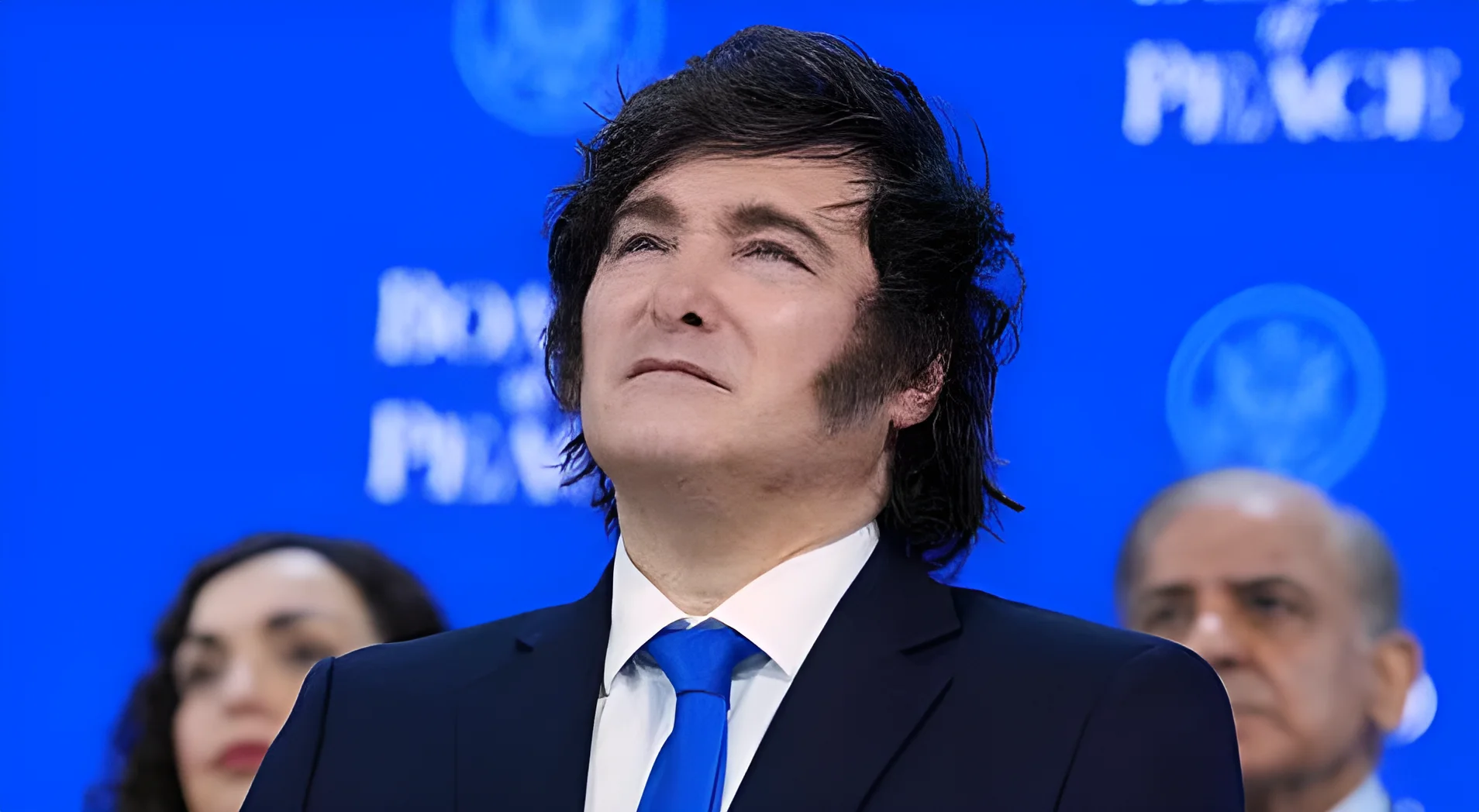
Israeli Transportation Minister Miri Regev, who also oversees national ceremonies, is reportedly preparing to propose that Argentine President Javier Milei light the ceremonial torch at Israel’s Independence Day ceremony. The move is intended to recognize Milei’s “unique contribution to the Jewish people and the State of Israel,” according to Regev.
The Significance of the Torch-Lighting Tradition
The torch-lighting ceremony has long been a symbol of Israel’s resilience and national identity. Held annually at Mount Herzl in Jerusalem, the event is attended by dignitaries, military personnel, and citizens. The torch is traditionally lit by Israeli leaders or notable figures, marking the beginning of a week of celebrations.
Regev’s proposal, if approved, would represent a significant departure from established protocol. No foreign head of state has ever been invited to light the torch in the event’s 75-year history. The proposal requires a formal government decision to amend the existing regulations, which have remained unchanged since the ceremony’s inception.
A Symbol of Diplomatic Ties
The potential invitation to Milei comes amid growing diplomatic engagement between Israel and Argentina. Milei, known for his pro-market economic policies and strong stance on security, has publicly expressed support for Israel, calling for stronger cooperation between the two nations.
“The invitation is not only an honor but also a recognition of the shared values that bind our countries,” said a senior Israeli government official, who requested anonymity. “It would be a powerful message to the international community about the strength of our bilateral relationship.”
Milei is expected to visit Israel on Independence Day, April 19, as a gesture of support. The Israeli government is currently working with the Argentine administration to finalize the details of his visit, which is anticipated to include meetings with Israeli officials and participation in the national celebrations.
Logistical and Security Challenges
The potential inclusion of Milei and U.S. President Donald Trump, who may also be invited to attend the ceremony, has raised logistical and security concerns. Trump, who previously received the Israel Prize in 2023, has not yet confirmed plans to visit Israel, but government ministries are preparing for the possibility.
If Trump were to travel to Israel to receive the prize, he would be invited to attend the torch-lighting ceremony as well. Such an event would require unprecedented security arrangements, given the high-profile nature of both leaders and the sensitivity of the occasion.
“The security protocol for both Milei and Trump would be among the most stringent in the history of the ceremony,” said a security official, who spoke on condition of anonymity. “We are working closely with our counterparts in Argentina and the United States to ensure that all aspects of the event are handled with the utmost care.”
The ceremony, which draws thousands of attendees each year, is held on Mount Herzl, a site that holds deep historical and national significance for Israel. If approved, Milei would be seated in the dignitaries’ section alongside Israeli leaders, marking a historic moment for both countries.
Regev has not yet formally submitted the proposal to the government, but officials indicate that the decision is expected to be made in the coming weeks. The final list of torchlighters is still under review by a special committee, and the inclusion of Milei would require a government resolution.
“This is a momentous occasion that would strengthen our international ties and showcase the values that unite us with Argentina,” said Regev in a recent statement. “I believe that President Milei’s leadership and vision align with our own, and I am confident that he would be honored to accept this invitation.”
The potential invitation to Milei has sparked discussions about the evolving role of foreign leaders in Israel’s national ceremonies. While the torch-lighting tradition has remained largely insular, the move signals a willingness to expand the event’s symbolic reach and engage with global allies in a more visible manner.






Comments
No comments yet
Be the first to share your thoughts