

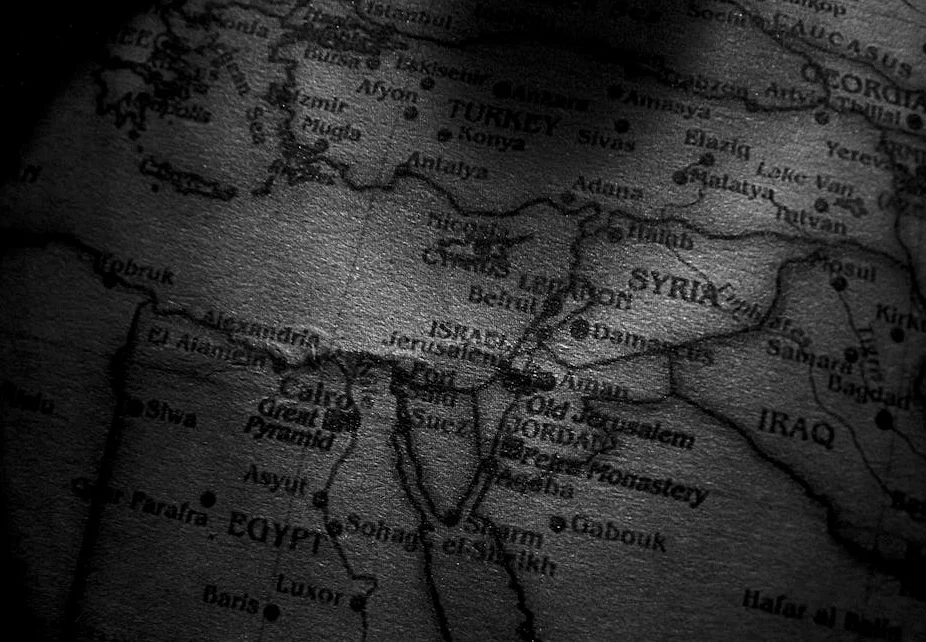
Israel has deployed additional troops into southern Lebanon as its ground invasion expands, according to Al Jazeera and Haaretz reports, marking a significant escalation in the conflict. The move comes amid rising tensions in the region and ongoing violence, with reports of Israeli airstrikes causing casualties in southern Lebanon. According to Al Jazeera. An Israeli strike killed four people in southern Lebanon, while displaced Lebanese are now sleeping in their cars and on the streets of Beirut, highlighting the growing humanitarian crisis.
Ground Operations and Escalation
Israeli forces have continued to advance into southern Lebanon, with reports indicating that the ground invasion is expanding beyond initial expectations. According to Al Jazeera. The deployment of additional troops suggests a strategic shift in Israel’s military operations, possibly aimed at securing key positions or targeting Hezbollah infrastructure; the move has raised concerns among regional actors and international observers about the potential for further escalation.
Haaretz has published a timeline of key events in the Israel-Gaza war, though it notes that the conflict has now expanded into southern Lebanon — the article highlights the prolonged nature of the conflict, with five months having passed since U.S. President Donald Trump announced a plan to end the war in Gaza. However, the situation has since evolved, with Israel’s military operations now affecting multiple fronts.
According to Haaretz. The establishment of a separation line known as the Yellow Line was intended to mark an interim stage ahead of Israel’s withdrawal from Gaza. However, the situation has not remained static, and the conflict has now spilled over into southern Lebanon, where Israeli forces are actively engaged in ground operations.
Regional and International Reactions
The Korean Times reported that Iran has threatened to completely close the Strait of Hormuz and target power plants following an ultimatum from U.S. President Donald Trump. The report notes that the outlook for Korean ships passing through the Strait of Hormuz remains bleak, as Iran’s envoy to Seoul stated that Korean vessels may pass only if they are not associated with the United States. This development has raised concerns about the potential disruption of global energy trade and the impact on countries like South Korea, which relies heavily on the Strait of Hormuz for its oil imports.
Iran’s envoy to Seoul. Saeed Koozechi. Stated that Korean vessels may transit the strait only with prior agreement and that any activities serving the interests of the United States would be prohibited. The report notes that about 70 percent of Korea’s imported crude oil passes through the Strait of Hormuz, and 26 Korean-flagged vessels are currently tied up in the Persian Gulf.
Meanwhile, Al Jazeera reported that Germany has accused Russia of aiding Iran in identifying targets, suggesting that Moscow’s involvement in the conflict may be more significant than previously thought. This accusation adds another layer of complexity to the regional dynamics, as it indicates that external actors are playing a role in the ongoing conflict.
Humanitarian Impact and Local Reactions
The impact of the conflict on the local population has been severe, with displaced Lebanese now sleeping in their cars and on the streets of Beirut, according to Al Jazeera. The report highlights the growing humanitarian crisis, as many civilians are left without shelter or access to basic necessities; In Tyre, Lebanese citizens are documenting the aftermath of Israeli air attacks, with photos showing the destruction left in the wake of the strikes.
Haaretz reported that the situation in southern Lebanon has become increasingly dire, with reports of Israeli airstrikes causing casualties and significant damage to infrastructure. The article notes that the conflict has now entered its second year, with the war in Gaza continuing to take a heavy toll on the population. However, the situation in southern Lebanon has now become a new front in the ongoing conflict.
According to local reports, the humanitarian crisis is worsening, with many Lebanese families forced to flee their homes and seek refuge in neighboring countries. The situation has also drawn international attention, with calls for increased aid and support for the affected population.
What’s Next and Implications
The continued expansion of Israel’s ground operations into southern Lebanon raises questions about the potential for further escalation and the broader implications for the region. According to Al Jazeera, the deployment of additional troops suggests that Israel is preparing for a prolonged conflict, which could have serious consequences for regional stability.
The threat from Iran to close the Strait of Hormuz, as reported by The Korea Times, adds another layer of uncertainty to the situation, as it could lead to a disruption in global energy supplies and affect countries that rely heavily on the strait for their oil imports. The situation also raises concerns about the potential for a wider conflict involving multiple regional and global powers.
Meanwhile, the humanitarian impact of the conflict is expected to continue to grow, with more civilians likely to be displaced and in need of assistance. The international community is being called upon to provide support and address the growing crisis in the region.
As the situation unfolds, the focus will remain on the potential for further military escalation, the impact on regional stability, and the humanitarian consequences of the ongoing conflict. The involvement of external actors, such as Russia and the United States, will also play a important role in shaping the future of the conflict.






Comments
No comments yet
Be the first to share your thoughts