

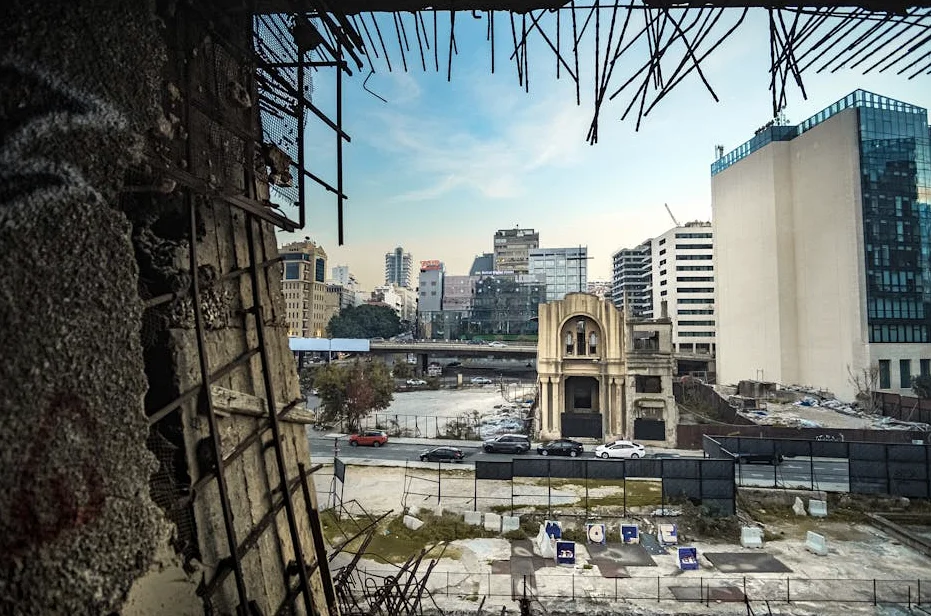
Israeli forces have intensified attacks on Beirut, according to multiple reports, marking a significant escalation in the ongoing regional conflict. The attacks. Which have included airstrikes and ground operations, have raised concerns among local and international observers about the potential for further civilian casualties and infrastructure damage.
Escalating Military Operations
According to Al Jazeera. Israeli military forces have claimed to have struck the headquarters of Iran’s Marine Industries Organization, a move that has been interpreted as a direct challenge to Iran’s influence in the region. The attack reportedly occurred on March 12, 2026, and was accompanied by a series of airstrikes targeting suspected Hezbollah positions in southern Lebanon. Israeli Defense Forces (IDF) officials stated that the operation was aimed at disrupting Iran’s military capabilities in the area.
Meanwhile, ekhbary.com reported that Hezbollah launched its largest rocket attack since the start of the war, targeting Israeli positions in northern Israel. The attack. Which involved over 200 rockets. Was in response to the Israeli strikes on Beirut — the rockets landed in multiple cities, including Haifa and Tel Aviv, causing widespread panic and prompting emergency evacuations.
Amnesty International has expressed deep concern over the targeting of civilians in the escalating conflict. In a recent statement. The organization called for an immediate halt to attacks on civilian infrastructure and urged the international community to hold all parties accountable for potential violations of international law. “The situation in Beirut is dire. And the risk to civilian lives is increasing with each passing day,” said a spokesperson for Amnesty International.
Regional Impact and Local Reactions
Local residents in Beirut have described the situation as increasingly chaotic, with power outages, limited access to clean water, and a growing sense of fear. According to Al Jazeera. The attacks have caused significant damage to residential areas, with several buildings partially destroyed. The Lebanese Red Cross has reported a surge in casualties, including both civilians and military personnel.
In a separate report, ekhbary.com highlighted the impact on the Lebanese economy, noting that the conflict has led to a sharp decline in trade and investment. The country’s already fragile financial situation has worsened, with the Lebanese currency losing significant value and inflation reaching record highs. “The economic crisis is compounding the humanitarian challenges in Beirut,” said a local economist.
Meanwhile, the Lebanese government has called for international support to address the growing humanitarian and economic crisis. Prime Minister Nawaf Salam stated that the disarmament of Hezbollah is a long-term goal, but he emphasized the need for immediate international assistance to stabilize the region. “The focus must be on protecting civilians and restoring basic services,” Salam said.
International Reactions and Diplomatic Efforts
The international community has responded with a mix of condemnation and calls for de-escalation. The United States has urged Israel to avoid civilian casualties, while European leaders have called for a ceasefire. According to Al Jazeera, the U.S. has also increased its military presence in the region, with additional naval vessels deployed to the eastern Mediterranean.
Amnesty International has criticized the lack of international enforcement mechanisms to prevent further civilian harm. “The international community has a responsibility to ensure that the rules of war are followed,” said a representative of the organization. “The current situation is a stark reminder of the consequences of unchecked military action.”
Meanwhile, the Iranian government has accused Israel of carrying out a “provocative” attack on its military infrastructure, further straining diplomatic relations. Iran’s foreign ministry has called for an investigation into the alleged attack and has warned of potential retaliatory measures.
Humanitarian Concerns and Future Outlook
The humanitarian impact of the ongoing conflict has been severe, with thousands of civilians displaced and essential services disrupted. According to the United Nations, over 500,000 people have been displaced in Lebanon alone, with many seeking refuge in neighboring countries. The UN has called for an immediate humanitarian pause to allow for the safe passage of aid and medical supplies.
Local NGOs have reported a significant increase in cases of trauma and psychological distress among children and families affected by the conflict. “The mental health crisis is as urgent as the physical destruction,” said a representative of a local aid organization. “We are struggling to provide the necessary support to those in need.”
Looking ahead, the situation remains highly volatile, with no clear end in sight. The ongoing attacks have raised concerns about the potential for further escalation, including the possibility of a broader regional conflict. International observers warn that the situation could spiral out of control if diplomatic efforts fail to de-escalate tensions.
Conclusion
The intensification of Israeli attacks on Beirut has marked a significant escalation in the ongoing regional conflict. With humanitarian concerns mounting and international diplomatic efforts struggling to find a resolution, the situation remains highly unpredictable. The international community must act swiftly to prevent further civilian casualties and ensure compliance with international law.






Comments
No comments yet
Be the first to share your thoughts