

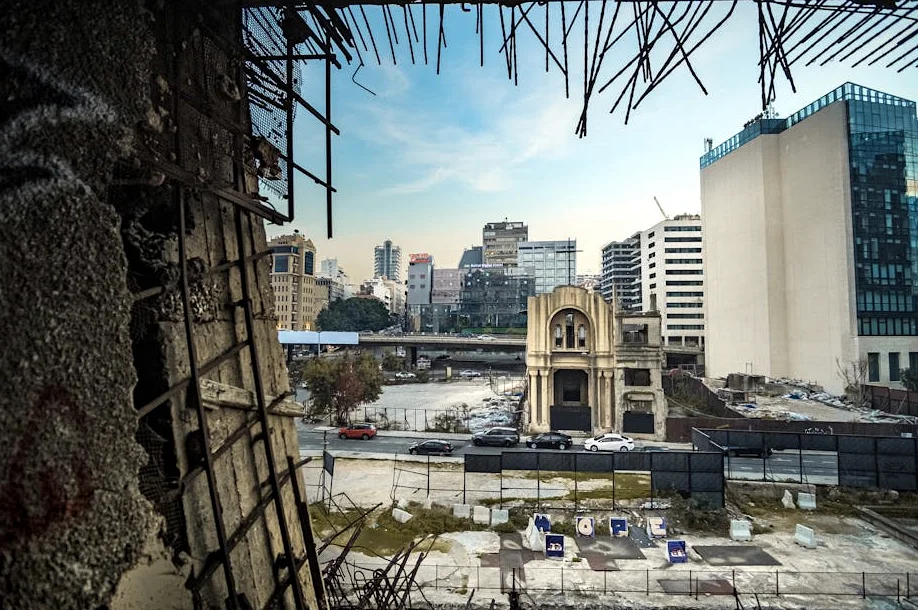
An Israeli strike on a hotel in central Beirut killed at least four people and wounded 10 others, according to Lebanon’s health ministry. The attack occurred on Sunday, adding to the growing list of civilian casualties in the escalating Middle East war. The Israeli military also struck several Iranian oil facilities late on Saturday, marking a significant escalation in hostilities between Israel and Iran.
Escalation in Hostilities and Oil Infrastructure Targeted
The strike on the Ramada hotel in Beirut was the latest in a series of attacks that have intensified the conflict in the region. Iranian state media reported that US and Israeli strikes hit an oil depot in Tehran on Saturday, marking the first reported attack on Iran’s oil infrastructure. This development has raised concerns about the potential for further disruption in the global oil market, which has already seen a significant surge in prices.
According to the US Central Command, no US service members had been taken hostage or captured by Iran. However, the denial came amid reports that the price of oil had surged higher and showed no signs of halting its rapid climb a week after the US and Israel launched major attacks on Iran, which escalated into a full-scale war in the Middle East.
Political Reactions and Regional Tensions
Iran’s President Masoud Pezeshkian attempted to cool regional tensions by apologizing to neighboring states, but the move faced criticism from hardliners within Iran. Meanwhile, US President Donald Trump attended the return of the bodies of the first six US soldiers killed during the war with Iran, highlighting the human cost of the conflict.
Trump also warned on Monday that the US would hit Iran much harder if Tehran blocked the flow of oil through the Strait of Hormuz. In response, Iran’s Major Guards stated they would not allow ‘one litre of oil’ to leave the Middle East if US and Israeli attacks continued. These statements highlight the growing threat of a critical chokepoint in global oil trade.
Humanitarian and Economic Impact
The conflict has not only caused loss of life but also significant economic repercussions. The oil price surge has been a direct result of the attacks on Iran’s infrastructure, which has raised concerns about energy security and inflation worldwide. The situation has also created humanitarian challenges, with reports of civilians being affected in both Lebanon and Iran.
Additionally, a further human dimension emerged as five players in Iran’s visiting women’s football team sought asylum in Australia over fears of persecution at home for not singing the national anthem before a match. This incident highlights the broader societal tensions and restrictions in Iran.
President Trump also announced on Monday that he would waive some sanctions on oil due to market turmoil caused by the attacks with Israel on Iran. Despite this, he insisted that the war against Iran would be a ‘short-term excursion,’ while maintaining that the United States and Israel ‘haven’t won enough’ against Tehran.
The Middle East war continues to unfold with no clear end in sight, as both sides escalate their military actions and diplomatic rhetoric. The situation remains highly volatile, with the potential for further strikes and international involvement.






Comments
No comments yet
Be the first to share your thoughts